Sunday Executive Summary

A concise weekly briefing that ties it all together—highlighting the most important themes, shifts, and strategic insights across our research coverage.

Reports

Margin Call: Defense Is Back, But Discounts Look Too Broad

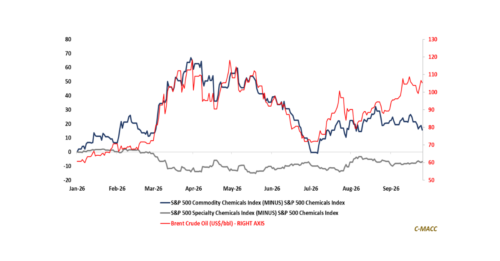
Chemical equities are turning defensive again, but the split is sharper as commodity and specialty sentiment weakens while fertilizers and industrial gases retain support.

Consensus is right that commodity chemicals face oversupply, but may underprice margin support if crude rebounds, USGC hurricane season outages tighten supply, or high-cost regions restructure

Read More »

Afterglow: Prices Burned Hot, Cash Takes the Heat

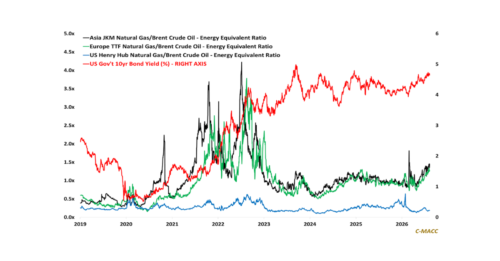
1H26 saw margins shift twice: conflict pricing rewarded reliable low-cost sellers in 1Q26, while falling oil-linked inputs gave buyers stronger leverage in 2Q value-chain negotiations globally against old surcharges.

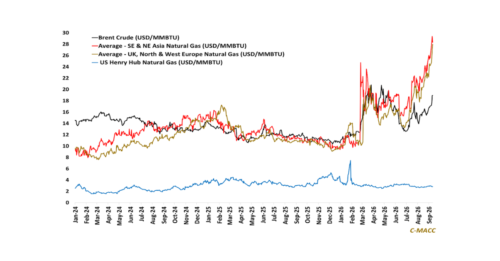
The recent oil-to-gas ratio collapse redirects global feedstock relief toward non-integrated buyers, but US natural gas/NGL-based producers still retain a cost

Read More »

The Tollbooth Economy: Access Wins, Choice Gets Paid

Route control sets the margin gate as low-cost supply realizes less value when access owners or customers govern timing, price, outlet choice, and demand commitment across pressured markets.

Propane and natural gas spreads price outlet choice as regional discounts fund infrastructure only when contracts turn distance from penalty to commercial

Read More »

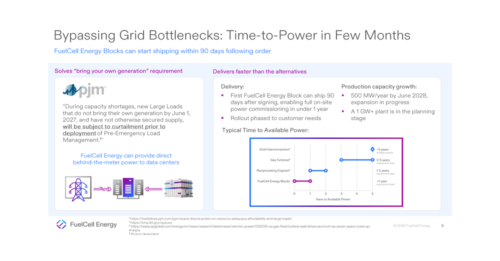
Power Trip: Prices Stick, Access Wins, Offtakers Chase The Plug

Regional and local electricity price inflation has become a signal of global competitiveness, as sticky power prices push buyers toward lower-cost supply options, while some feedstocks remain conflict-supported.

US gas still supports chemical competitiveness, but rising power demand means feedstock advantages increasingly depend on access to electricity, conversion reliability, and

Read More »

Rethink Tank: Asia’s Olefins Pain Separates Who Can Remain

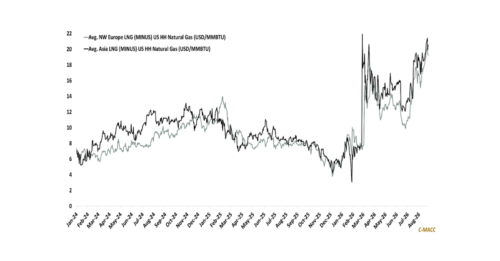
Asia’s olefins cost-recovery squeeze is forcing ex-China asset reviews, as naphtha-based production costs exceed those in Europe and Chinese exports limit derivative price recovery.

Europe’s elevated co-product prices relative to Asia and reduced imports support cracker margins, while Asian producers face weaker offsets, cash-preservation pressure, and tougher buyer negotiations.

US

Read More »

Capacity Trap: The Supply That Counts Is the Supply That Delivers

Apparent manufacturing stability masks shrinking usable capacity as liquidity, logistics, affordability, and operating reliability outrank installed production capability across industrial systems.

Industrial survival increasingly depends on operable assets, secured feedstocks, strategic integration, liquidity access, and logistics control over headline installed production capacity measures alone.

Global polymer pricing, rail consolidation, and

Read More »

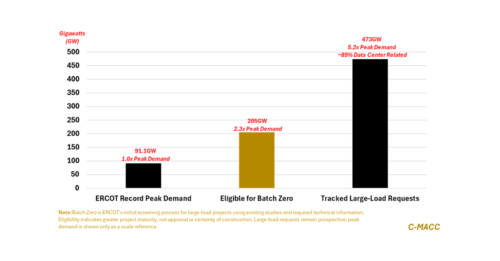
Gate Expectations: Industrial Systems Start Charging Premiums Beyond Cheap Feedstock Advantage

Industrial competitiveness increasingly reflects access to qualified infrastructure, freight continuity, and grid execution rather than a nominal feedstock advantage or headline commodity pricing alone.

Europe’s industrial cost structure remains structurally elevated despite lower gas prices, reshaping chemical investment flows, electricity pricing dynamics, and regional manufacturing resilience.

Data center expansion, transformer

Read More »

Comfortably Numb: Shipments Hold, Demand Weakens, Control Carries Returns

Affordability constraints increasingly determine pricing durability as manufacturers defend margins through promotions, inventory timing, and customer prioritization rather than demand growth.

Reliable supply commands rising structural premium economics as geopolitical fragmentation reshapes replacement costs, freight exposure, insurance pricing, and logistics flexibility globally.

Shipment resilience more frequently reflects inventory defensiveness and

Read More »