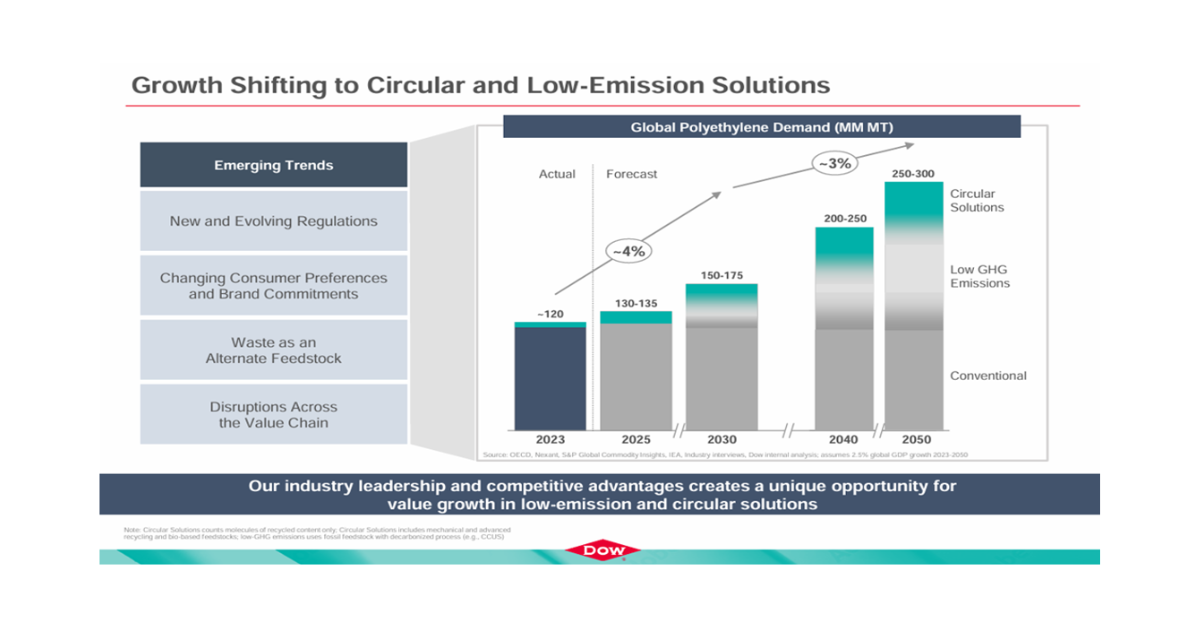
Sunday Executive Summary
Most attention remains on near-term PE tightness, but supply growth is also becoming less dependable, leaving the medium-to-long-term outlook firmer than pre-conflict forecasts anticipated.
Middle

Most attention remains on near-term PE tightness, but supply growth is also becoming less dependable, leaving the medium-to-long-term outlook firmer than pre-conflict forecasts anticipated.
Middle
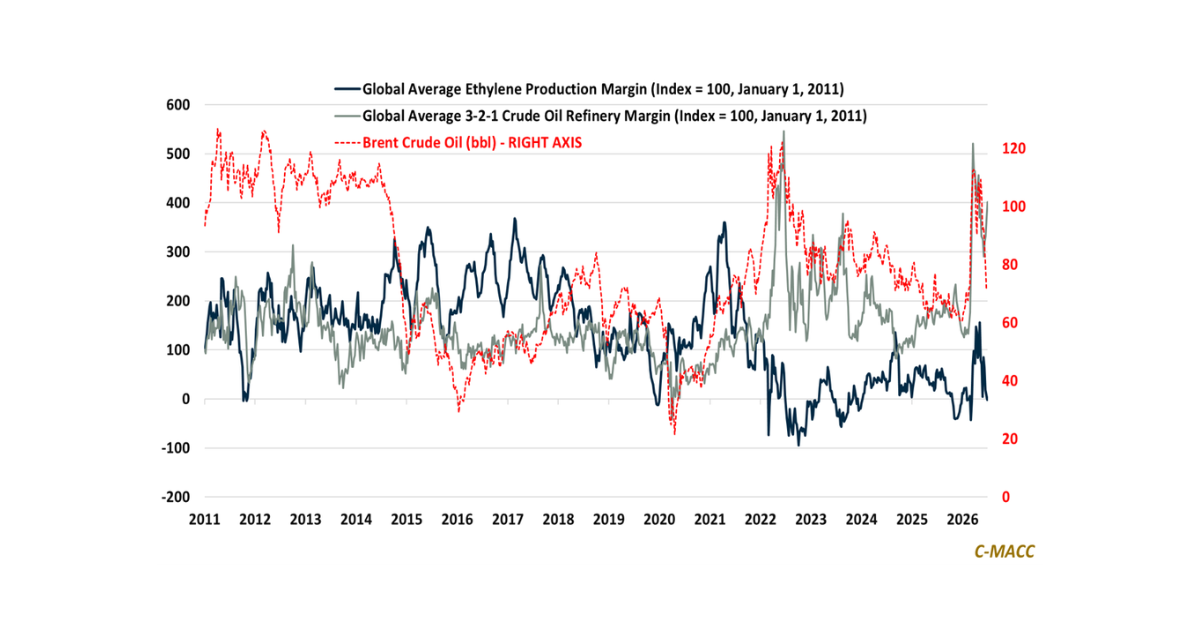
General Thoughts: Global chemical markets return to oversupply as cost curves flatten, while constrained refining supports firmer margins and steers capital toward fuels, integration, and
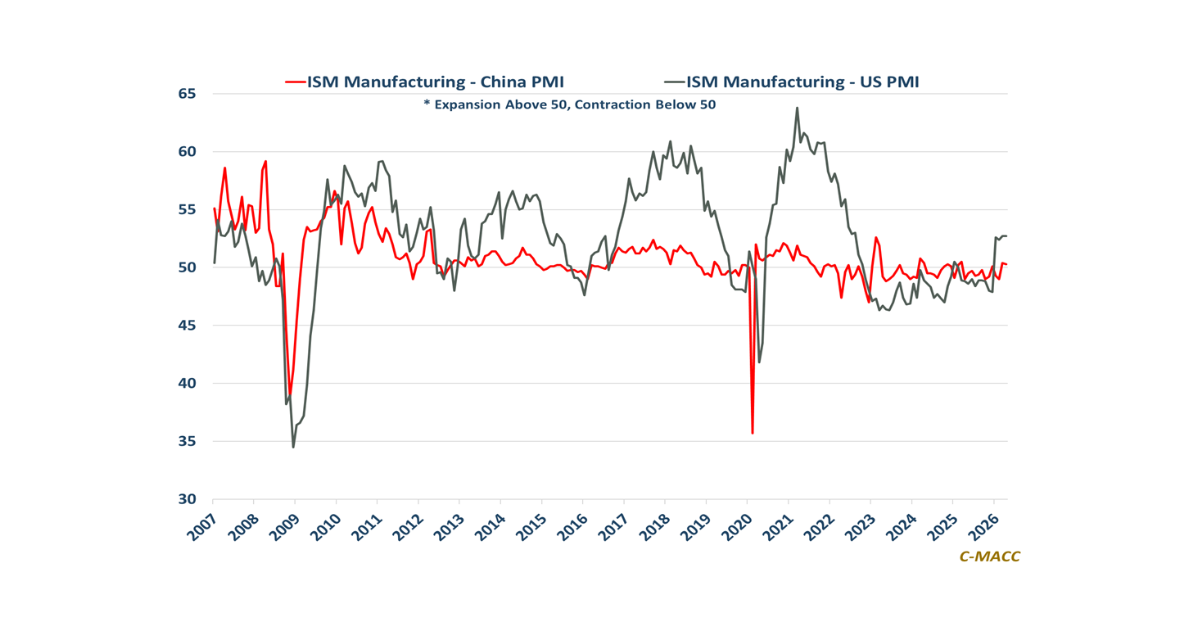
Apparent manufacturing stability masks shrinking usable capacity as liquidity, logistics, affordability, and operating reliability outrank installed production capability across industrial systems.
Industrial survival increasingly depends
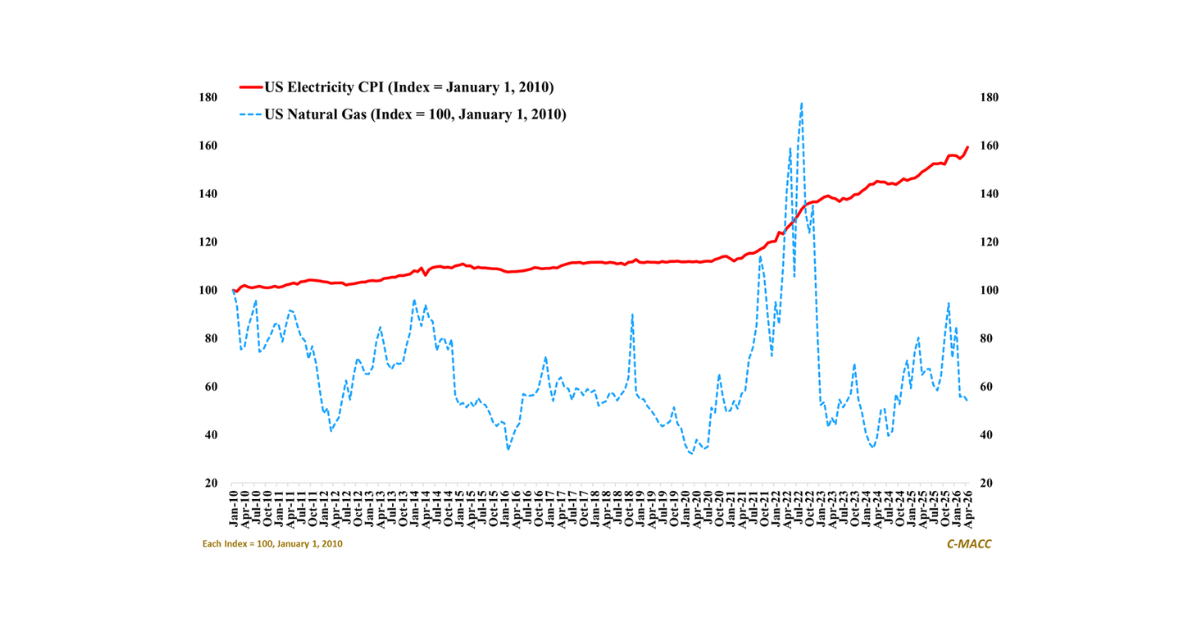
1st Topic of the Week: Power scarcity is turning sustainability into an integration race, rewarding platforms that control fuel, wires, capacity, permitting, and ratepayer risk
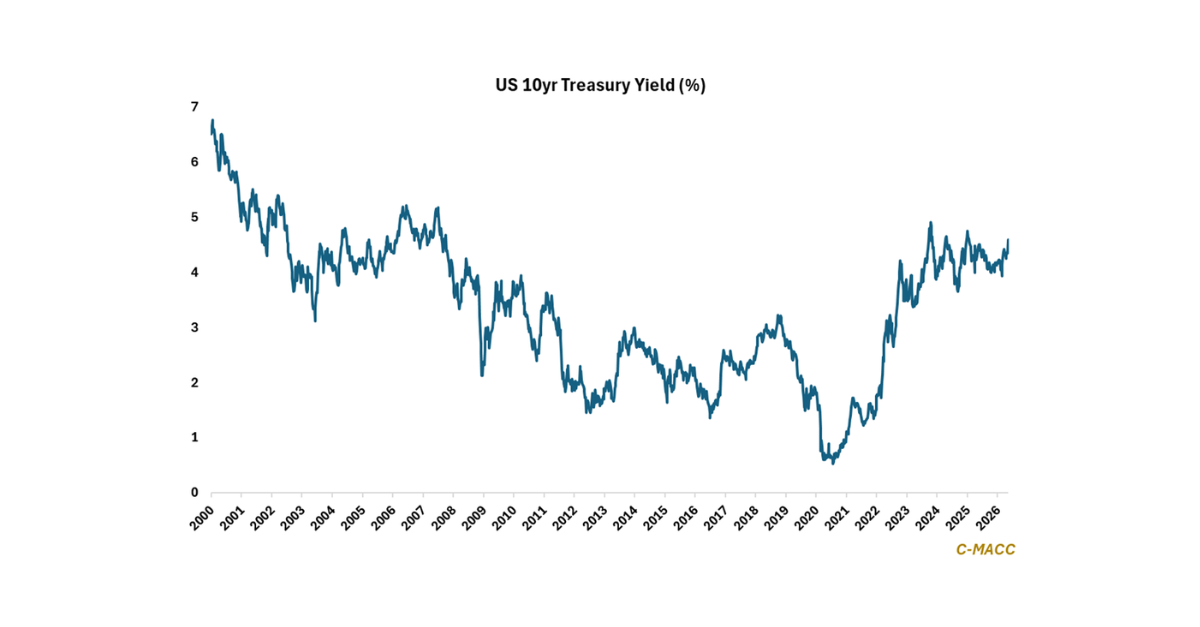
General Thoughts: Elevated financing and energy costs are accelerating consolidation, asset rationalization, and supply-chain prioritization across power, chemicals, and industrial infrastructure systems globally.
Supply Chain/Commodities:
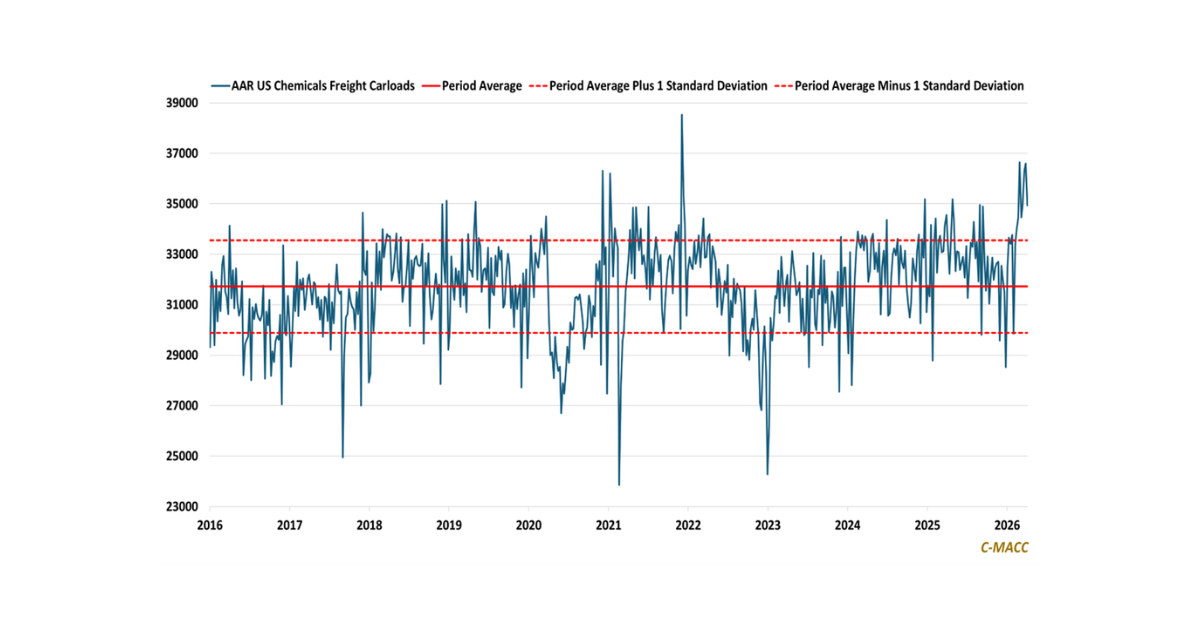
General Thoughts: US relative cost advantages persist, but rising global prices are compressing downstream margins as exports rise and cost transmission accelerates across global industrial
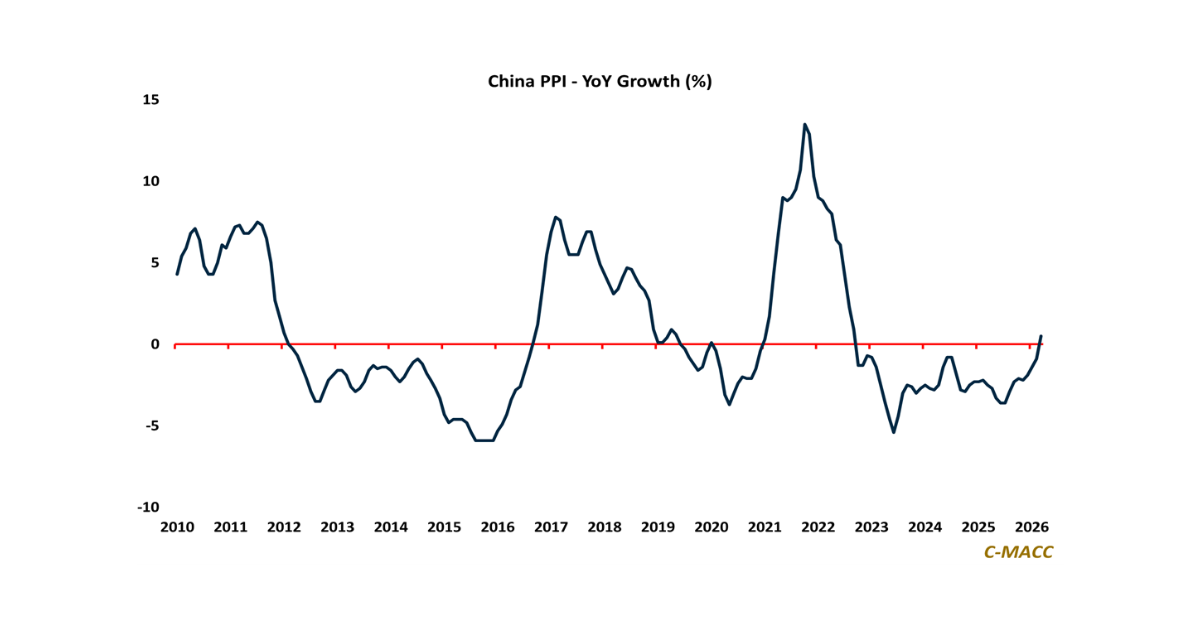
China’s 0.5% YoY factory-gate inflation in March removed a trusted global relief valve, forcing markets to underwrite firmer resin and intermediate floors, slower cost deflation,
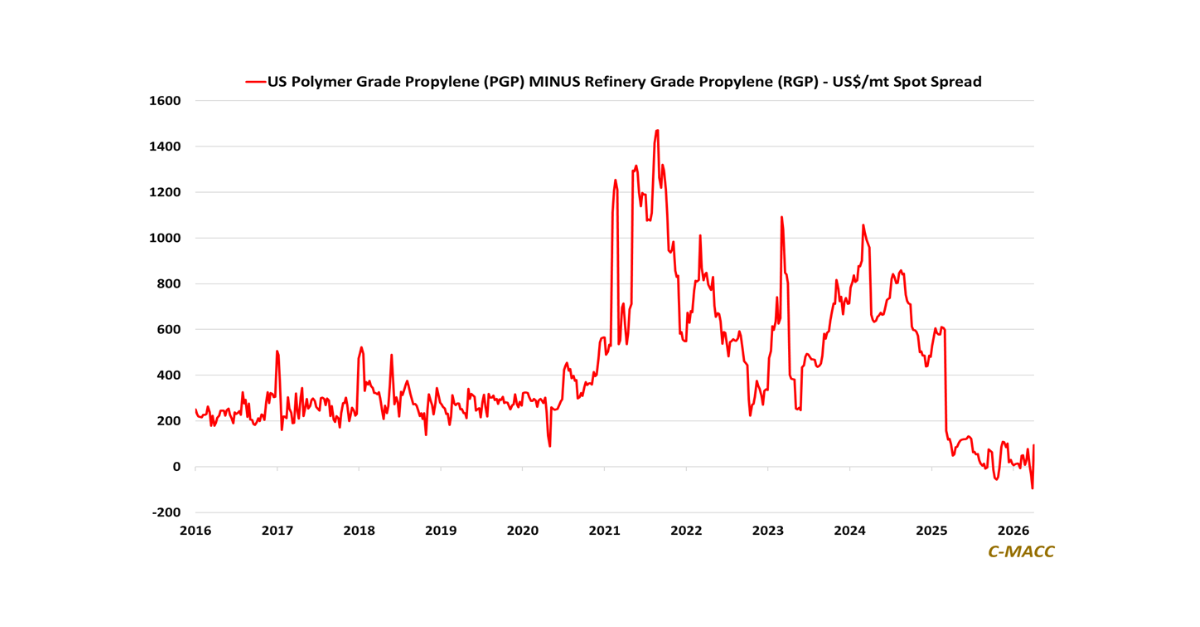
General Thoughts: Feedstock inflation is shifting profit pools upstream, forcing buyers to absorb volatility as reliability overtakes price and accelerates alternative supply in procurement decisions.
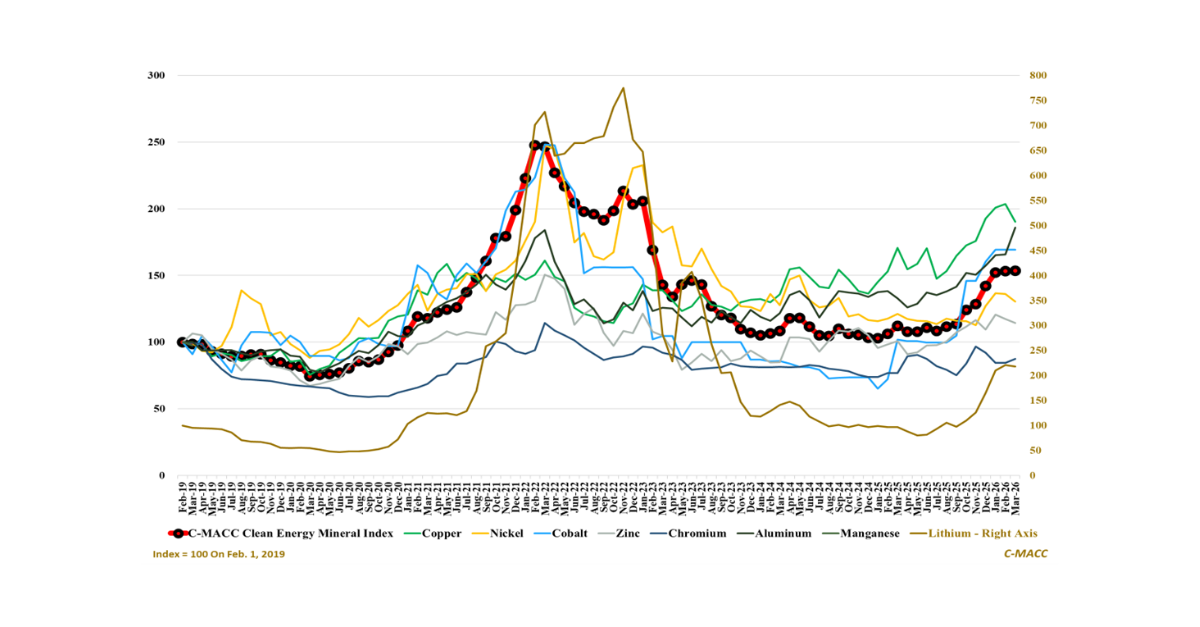
Critical minerals diverge as electrification costs fall structurally, confirming inputs are no longer the binding constraint and decisively shifting advantage toward systems that deliver reliable
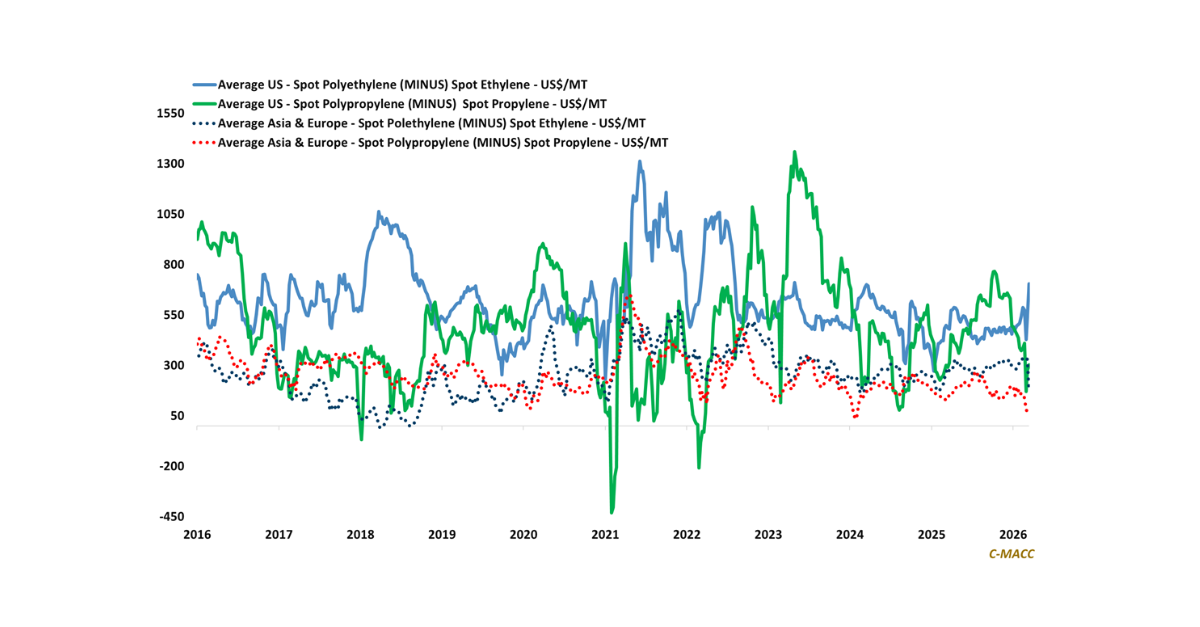
Dependable operations now define competitive advantage, with non-integrated assets losing ground as fragility disrupts throughput, raises risk, and weakens returns under stress.
Oil-linked feedstock systems
