Global Market Analysis
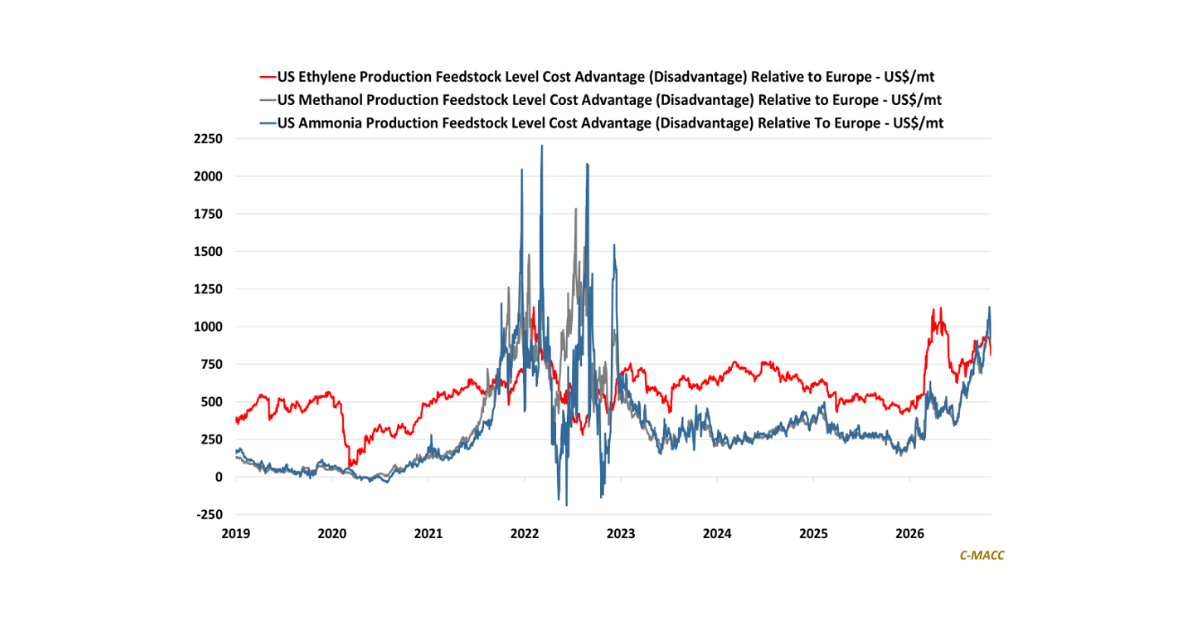
General Thoughts: Wide US chemical feedstock advantages should withstand moderate overseas cost relief, preserving export competitiveness without removing the pressure on higher-cost producers to restructure.

General Thoughts: Wide US chemical feedstock advantages should withstand moderate overseas cost relief, preserving export competitiveness without removing the pressure on higher-cost producers to restructure.
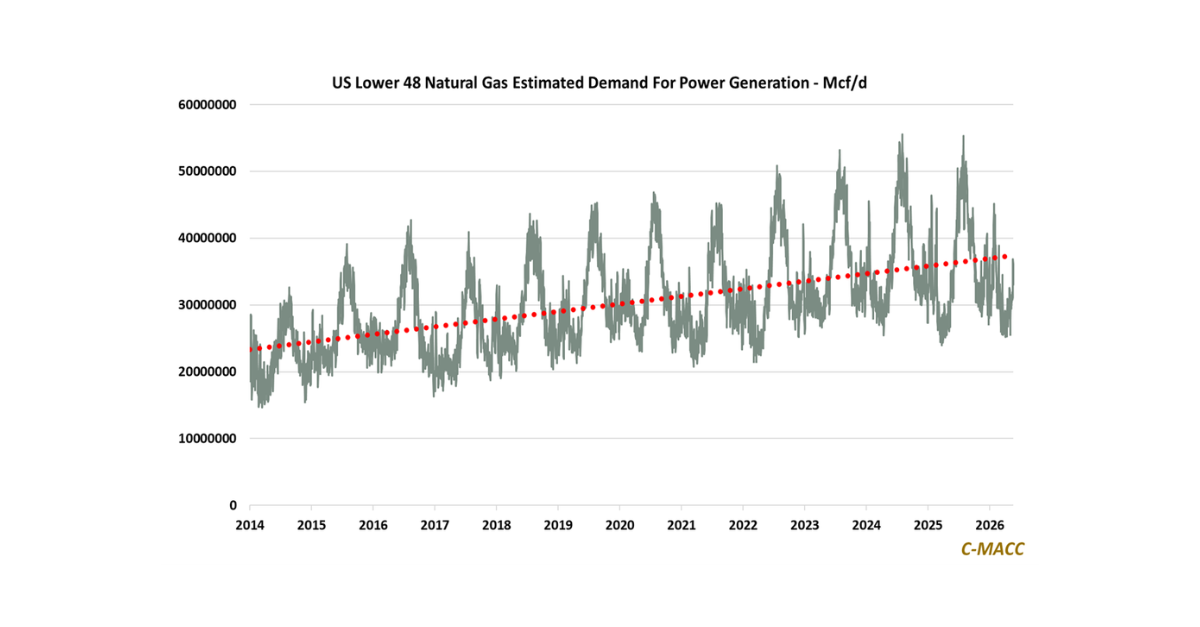
General Thoughts: Low-cost US natural gas is becoming more contested as power producers, exporters, petrochemical buyers, and industrial consumers secure access and defend feedstock-cost advantages.
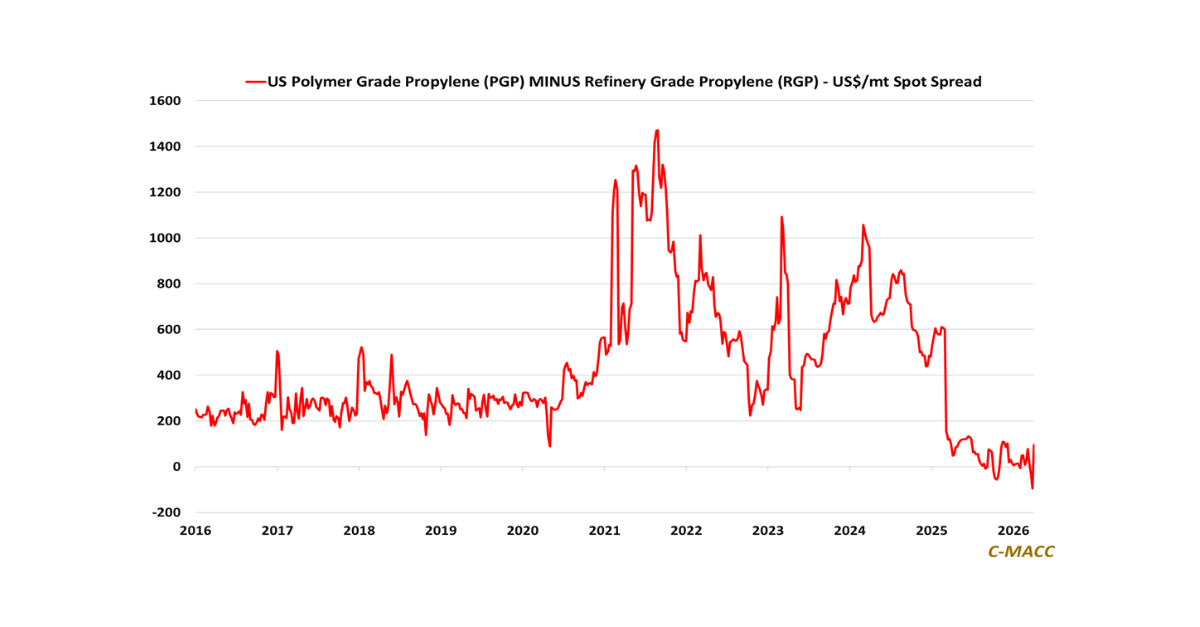
General Thoughts: Feedstock inflation is shifting profit pools upstream, forcing buyers to absorb volatility as reliability overtakes price and accelerates alternative supply in procurement decisions.
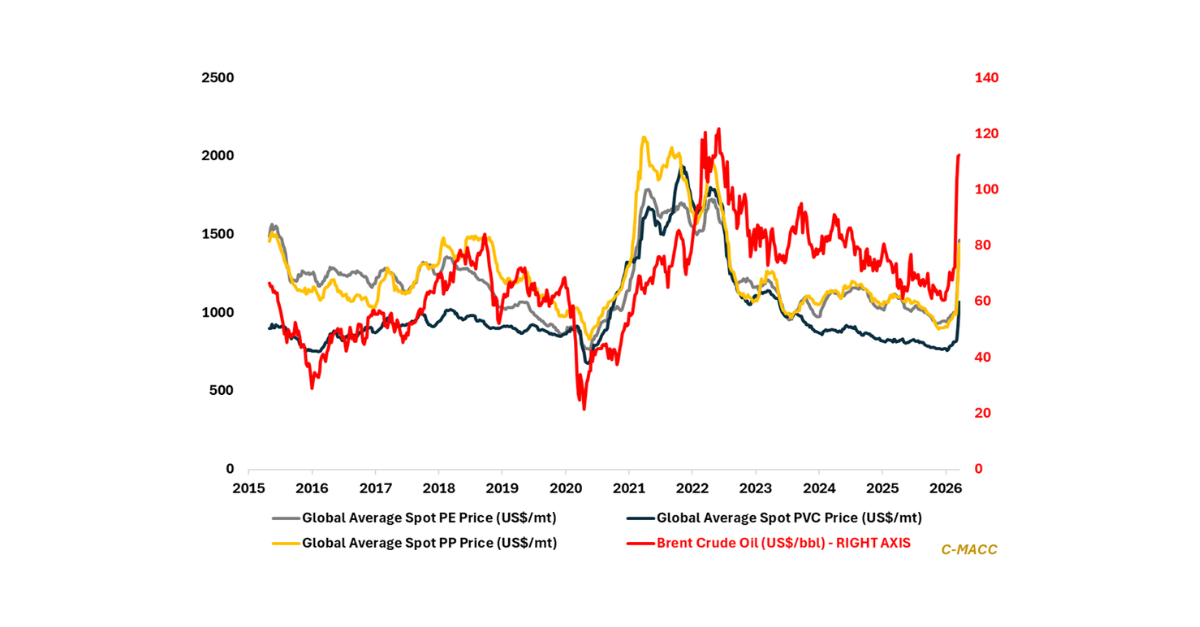
System constraints are compressing global corporate decision cycles, forcing capital into platforms that secure inputs, logistics, and execution simultaneously rather than optimizing sequentially across markets.
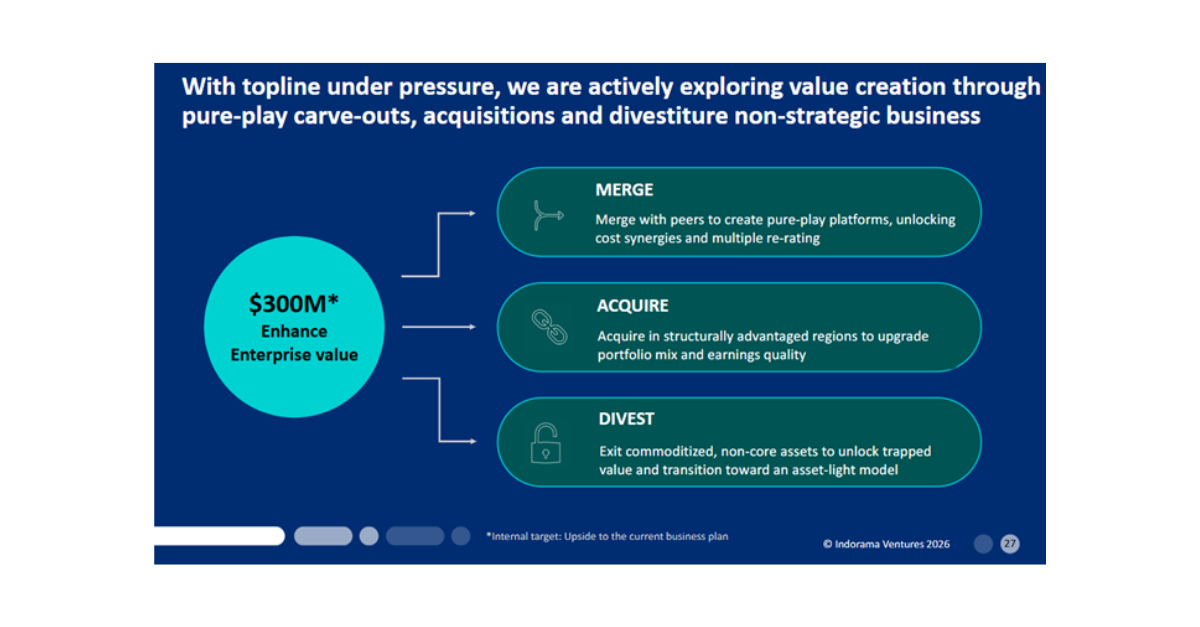
General Thoughts: Feedstock volatility, still weak demand, and supply chain stress accelerate global chemical restructuring as companies actively reshape portfolios to improve long-term risk-adjusted returns.
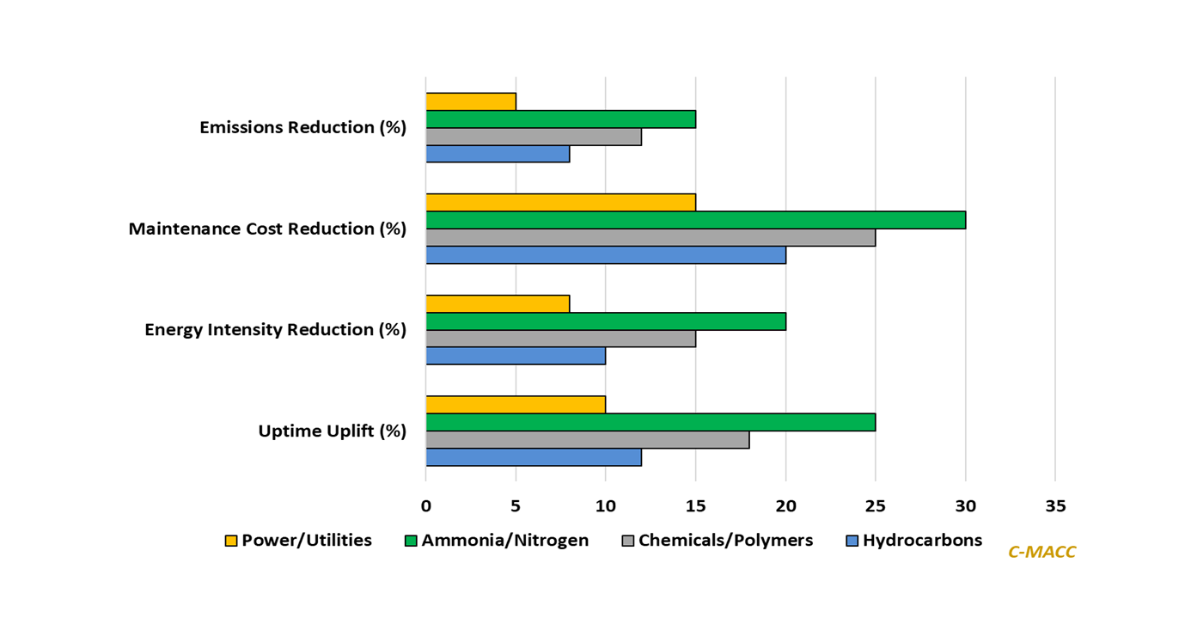
AI-driven stability converts volatile energy and chemical systems into more predictable cash engines, revealing structural advantage patterns that most operators still underestimate in a rapidly
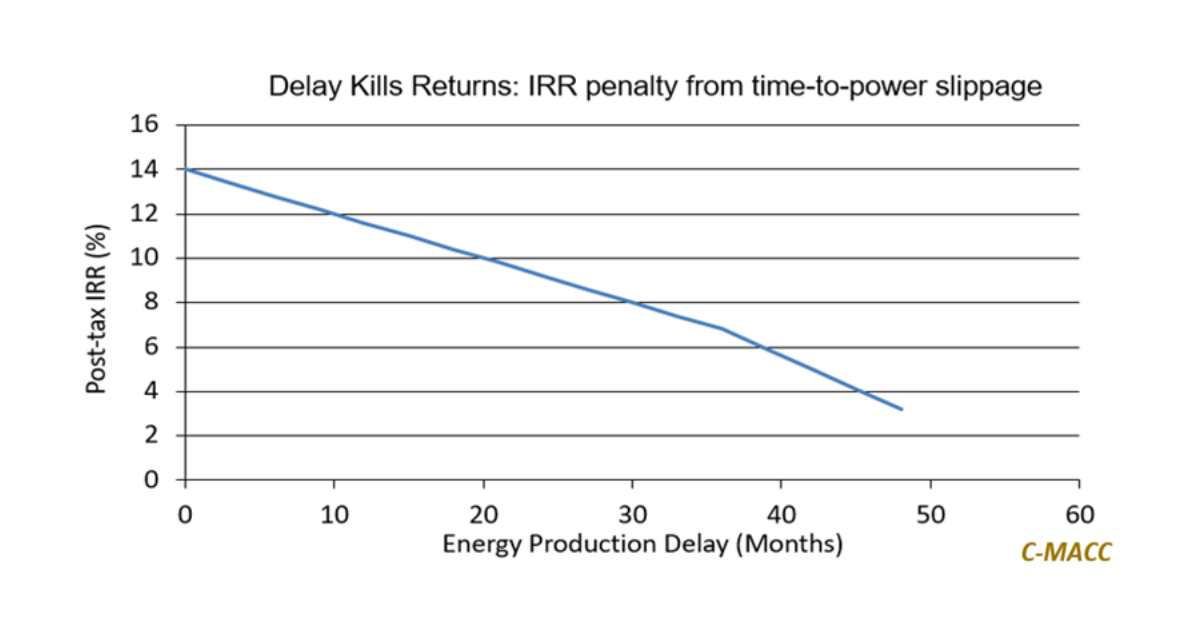
Time-to-power is increasingly setting project value, with capital favoring assets that guarantee firm megawatts through onsite generation, secured interconnects, and accelerated commissioning, not lowest theoretical
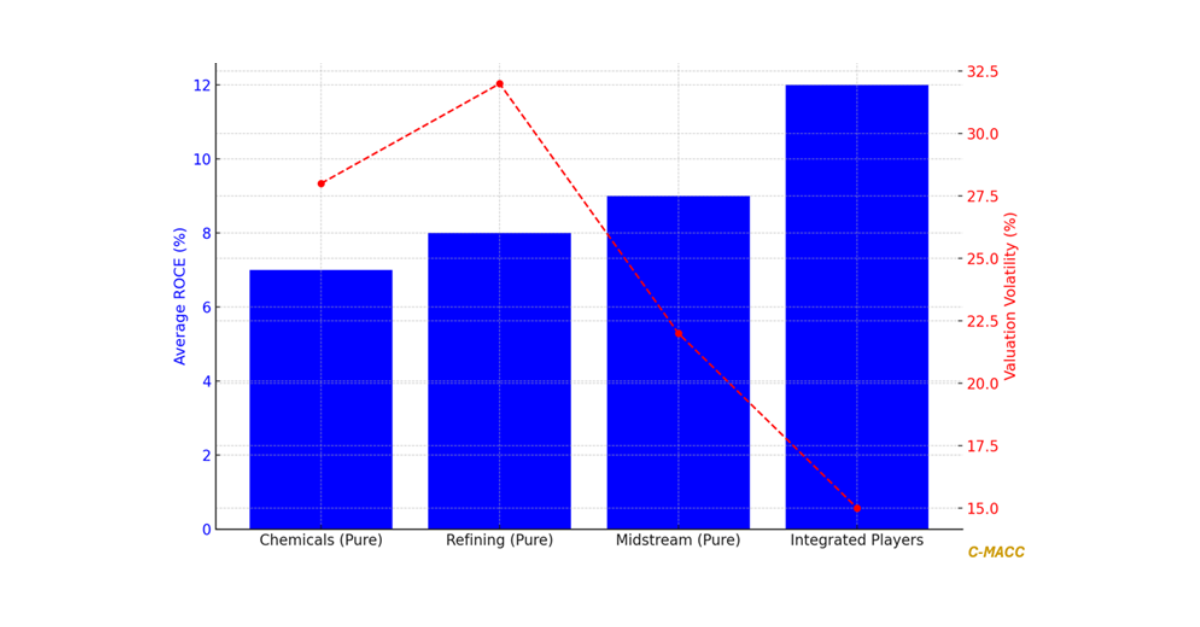
Structural flexibility — not theoretical options — often defines who survives, consolidates, and leads when global energy and chemical markets fracture into volatility, opportunity, and
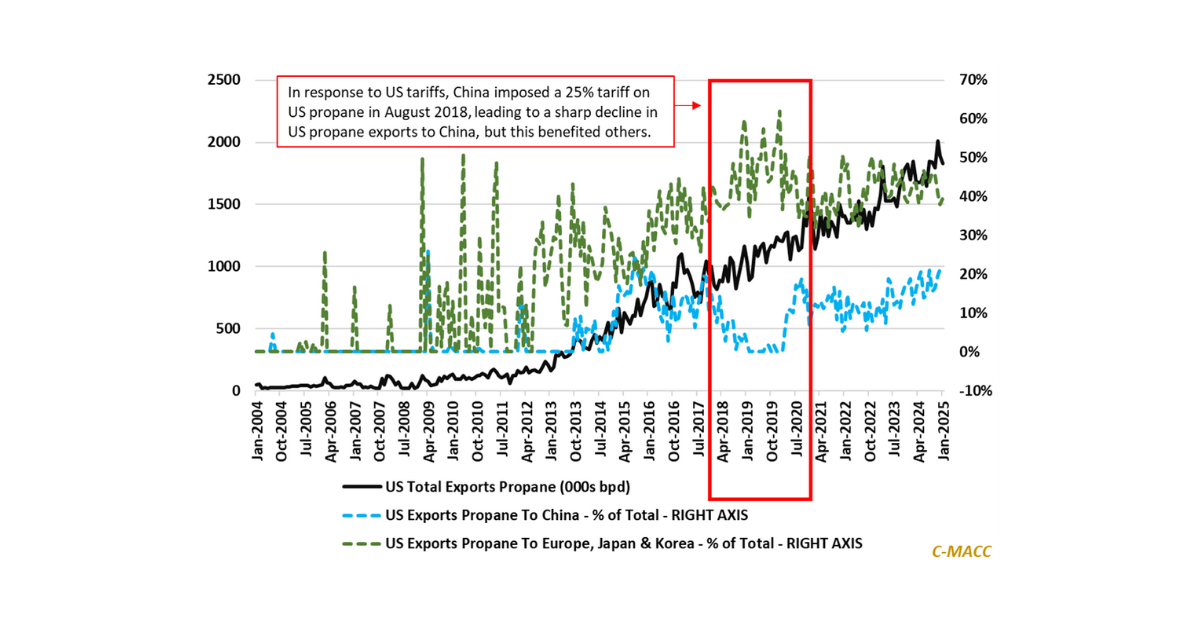
China’s latest retaliatory tariff threats increase the risk of a supply chain reset, holding the potential to realign global petrochemical flows structurally, erode US margins,
