Sunday Executive Summary
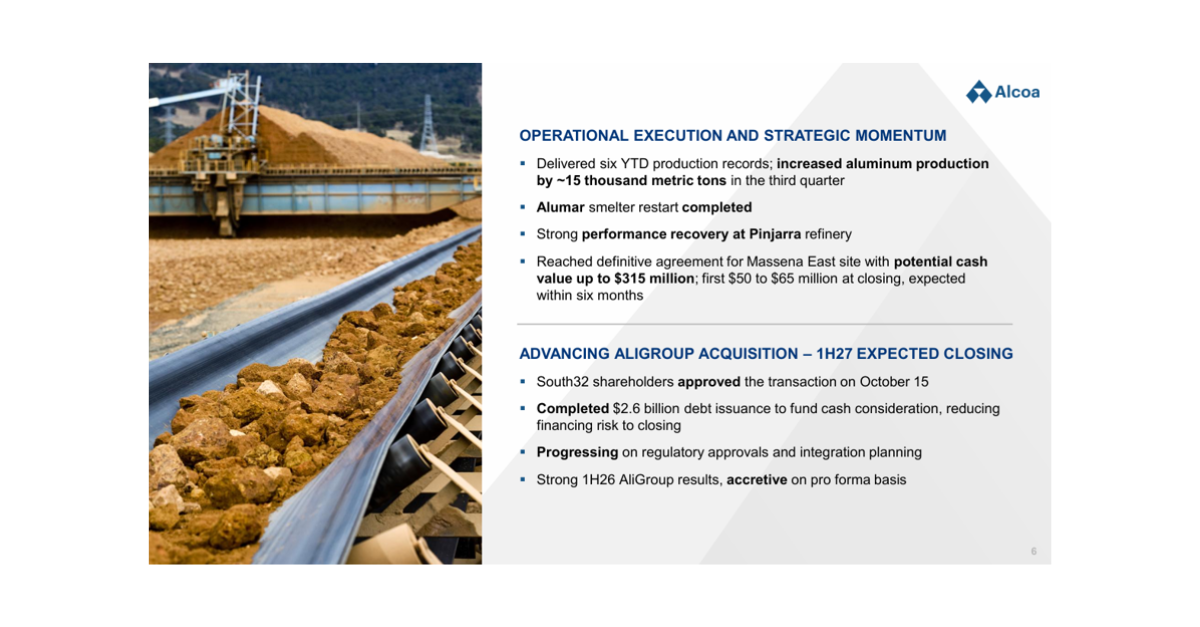
Industrial site sales can lift valuations before cash arrives, as deferred payments leave sellers exposed to commissioning risks and permitting delays outside their original manufacturing

Industrial site sales can lift valuations before cash arrives, as deferred payments leave sellers exposed to commissioning risks and permitting delays outside their original manufacturing
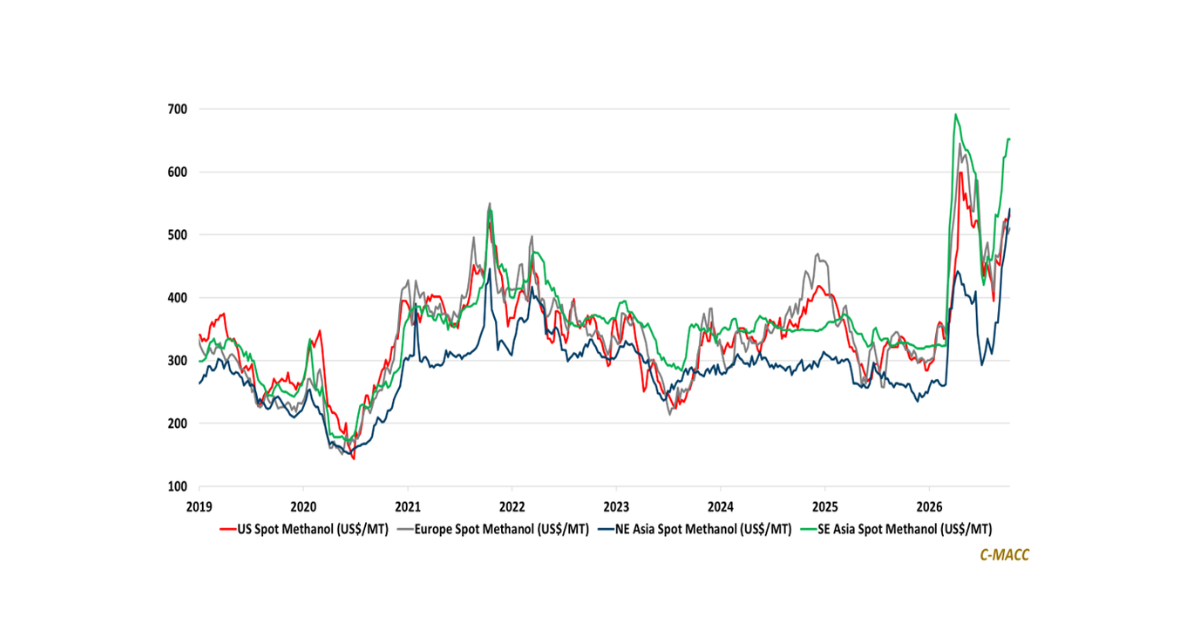
General Thoughts: Cheap US natural gas and depleted Asian inventories support near-term returns on methanol exports, but weak customer margins likely limit the size and
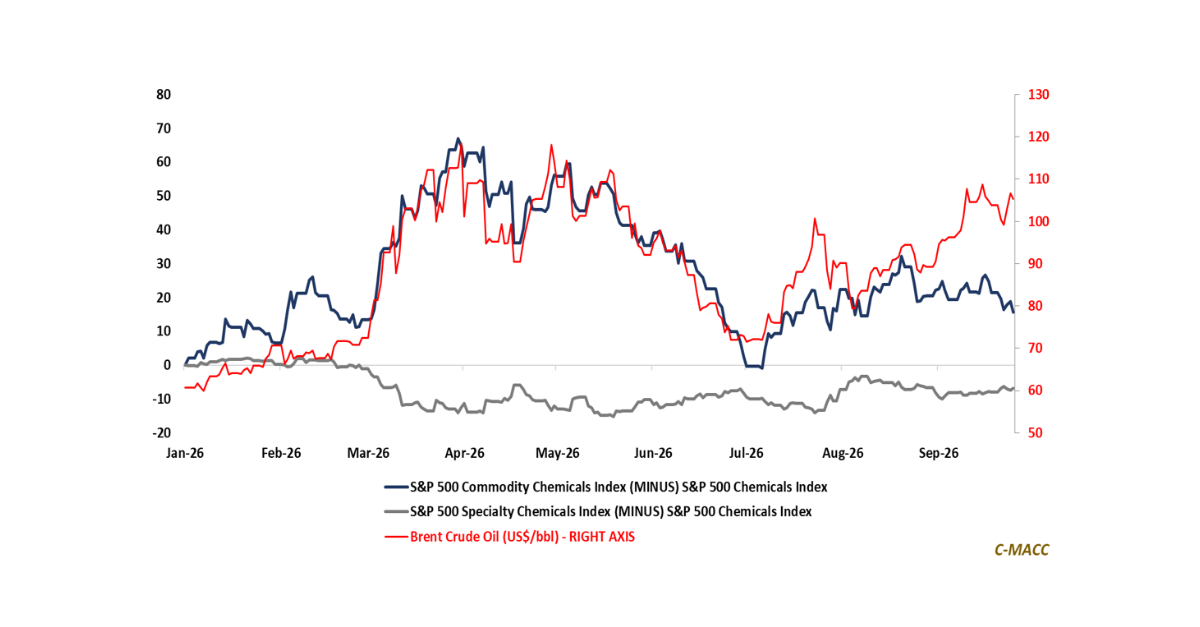
Commodity chemical shares retain their lead as selected resin grades tighten, but delayed cargoes can lift prices before producers permanently reduce the capacity available to
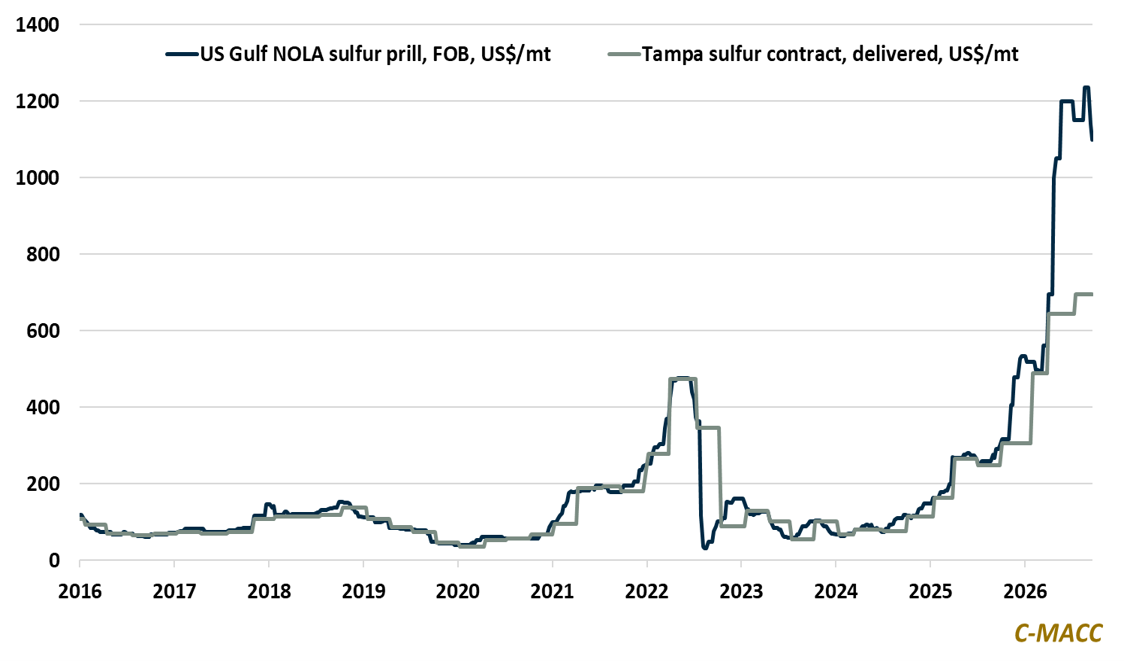
General Thoughts: Global sulfur tightness drove record prices, but US delivery bottlenecks widened price gaps; refinery run cuts could intensify competition between metal leaching and
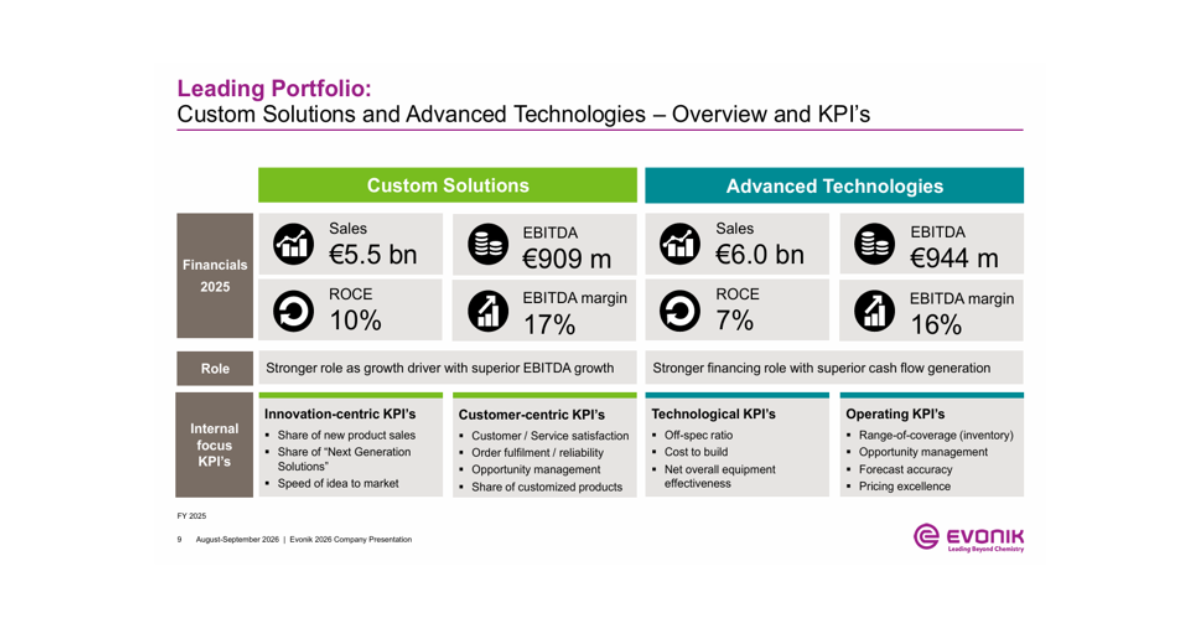
General Thoughts: Chemical restructuring should improve risk-adjusted returns without underfunding existing assets, making gains from reallocating capital a stronger guide for investment than segment margins.
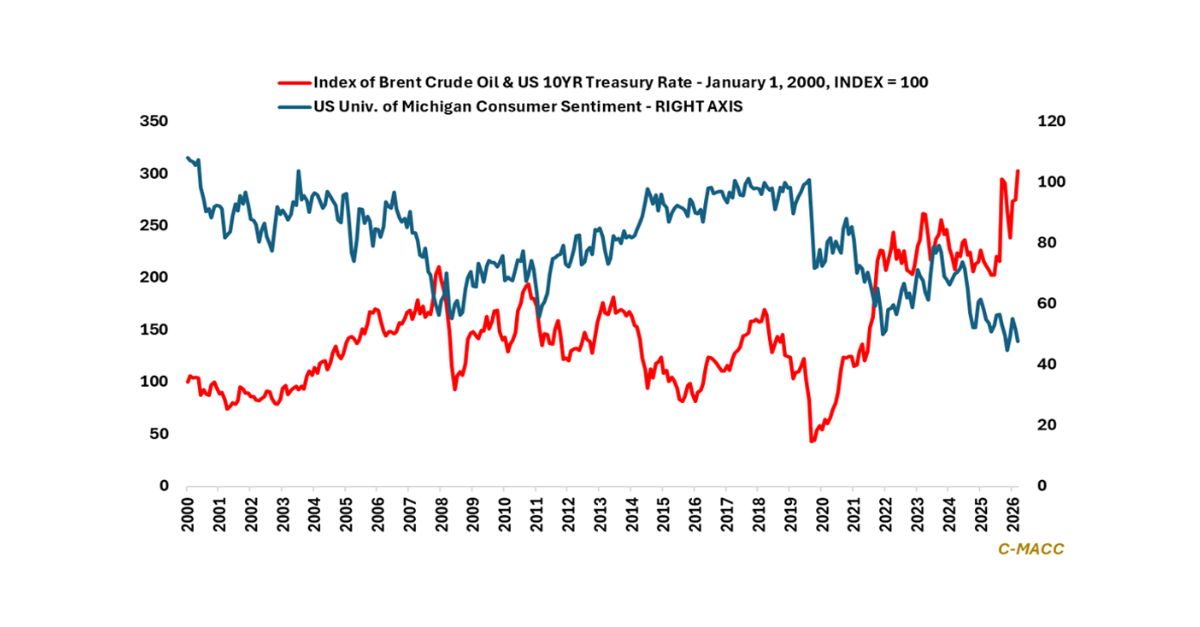
Chemical capital is separating by model, with integrated producers funding hard-to-replicate advantages and customer-facing businesses demanding clearer economics before growth spending.
Dow’s collaboration with Amcor

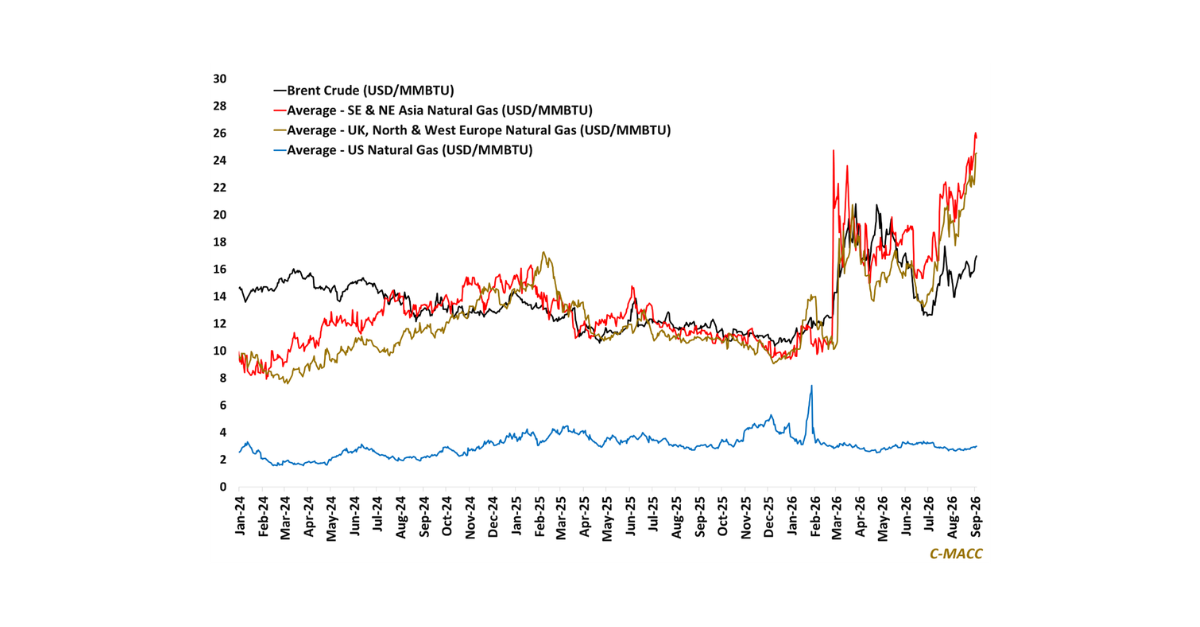
General Thoughts: European and Asian natural gas prices are rising faster than Brent, pressuring high-cost industrial assets as input costs rise and commodity markets offer
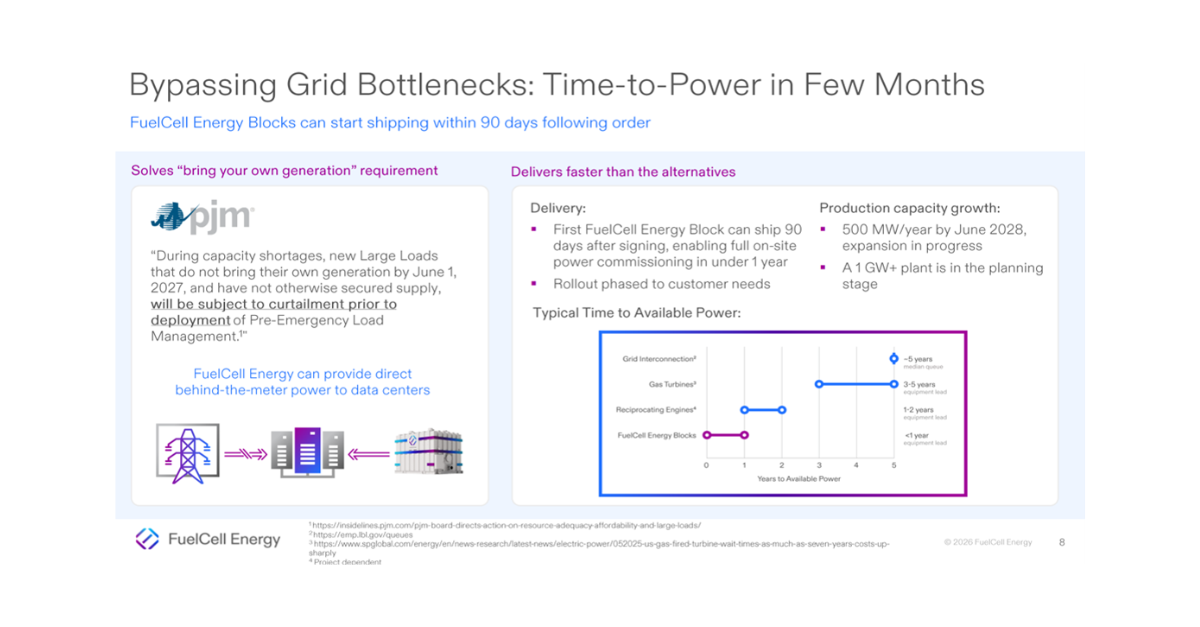
Industrial progress increasingly depends on identifying the right constraint, measuring it accurately, and applying technology where better information can improve operating and capital decisions.
FuelCell
General Thoughts: Wide energy-cost gaps are filtering capital toward projects that secure advantaged inputs and credible demand before infrastructure constraints or policy shifts materially dilute
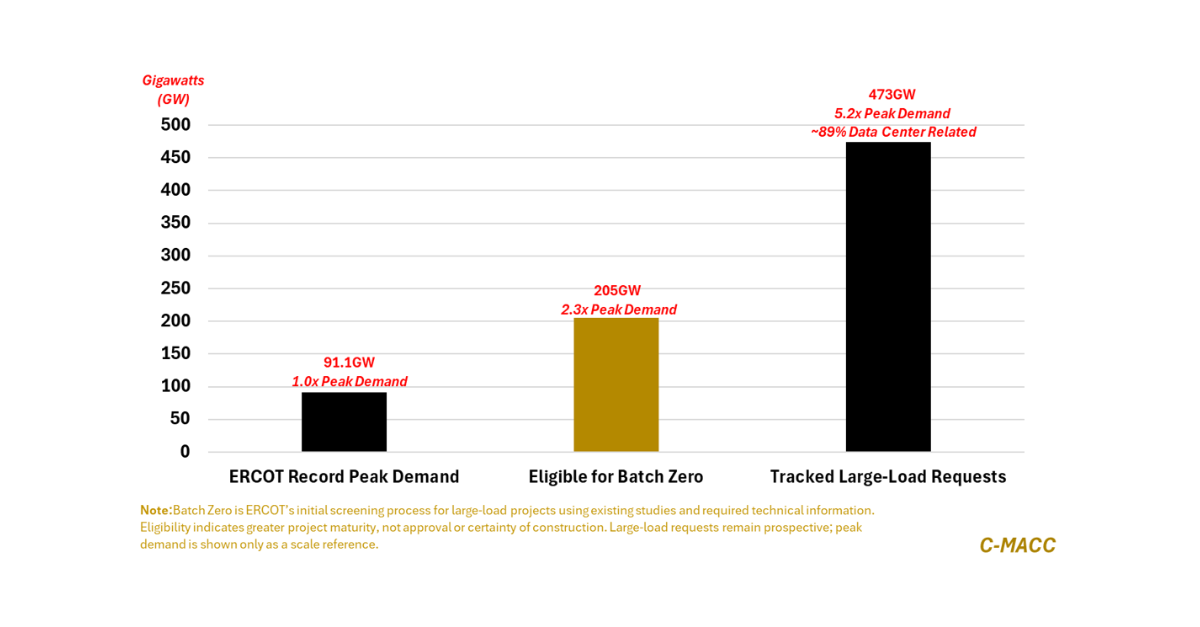
Texas is forcing data center demand through a credibility test, showing why project maturity, customer commitments, power access, and progress deserve more weight than headline
