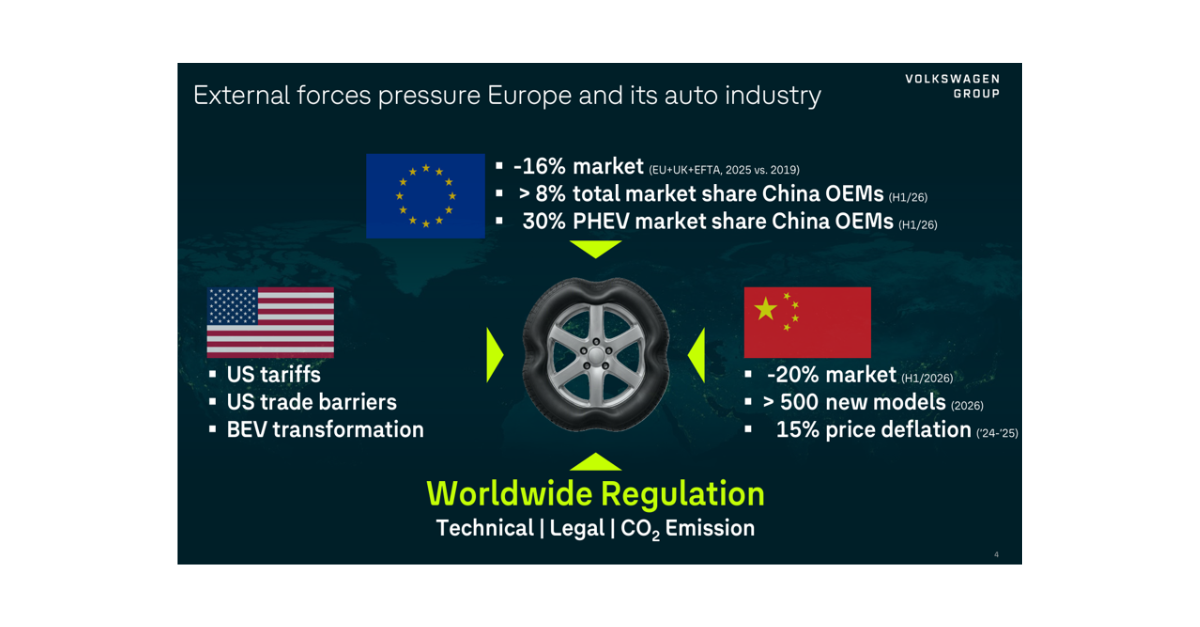
Sunday Executive Summary
Industrial companies are directing capital toward revenue that can finance continued investment without leaving the wider business exposed when customers, technologies, or regional economics change.

Industrial companies are directing capital toward revenue that can finance continued investment without leaving the wider business exposed when customers, technologies, or regional economics change.
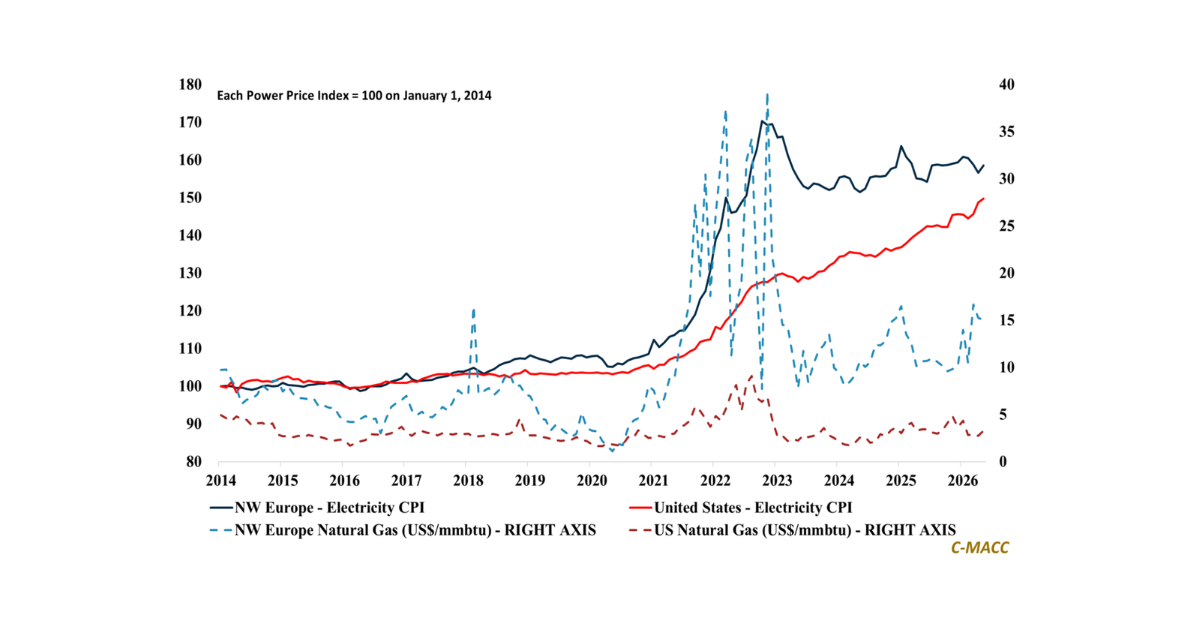
Regional and local electricity price inflation has become a signal of global competitiveness, as sticky power prices push buyers toward lower-cost supply options, while some
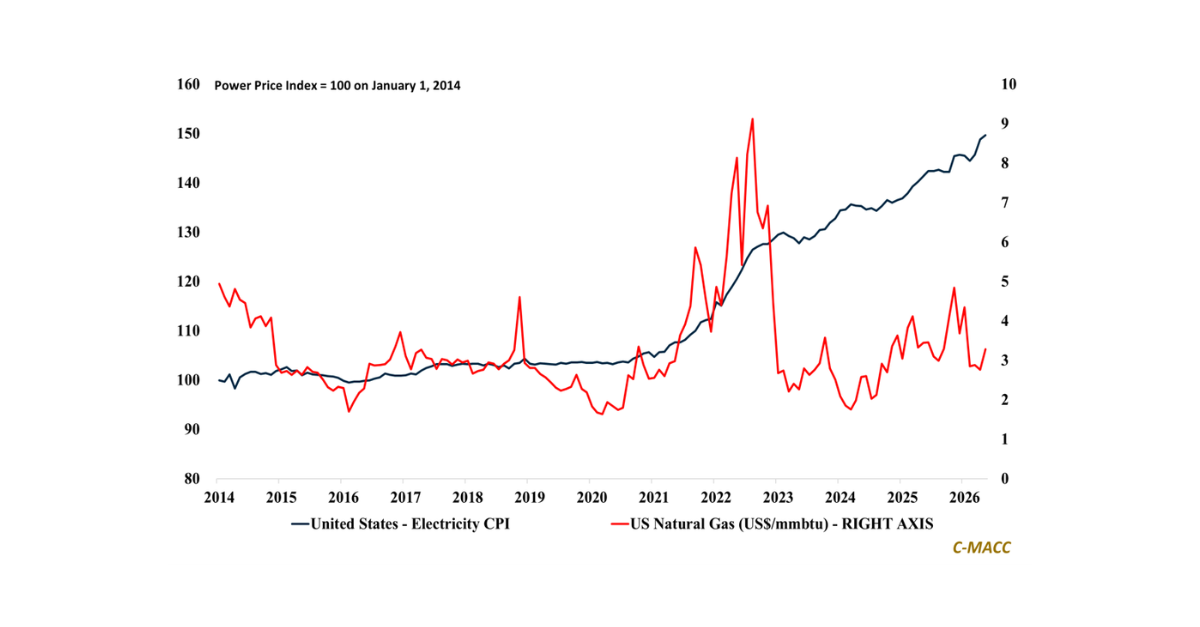
1st Topic of the Week: Electricity inflation exposes why customer-paid power delivery now carries more strategic weight than cheap gas as AI load signs faster
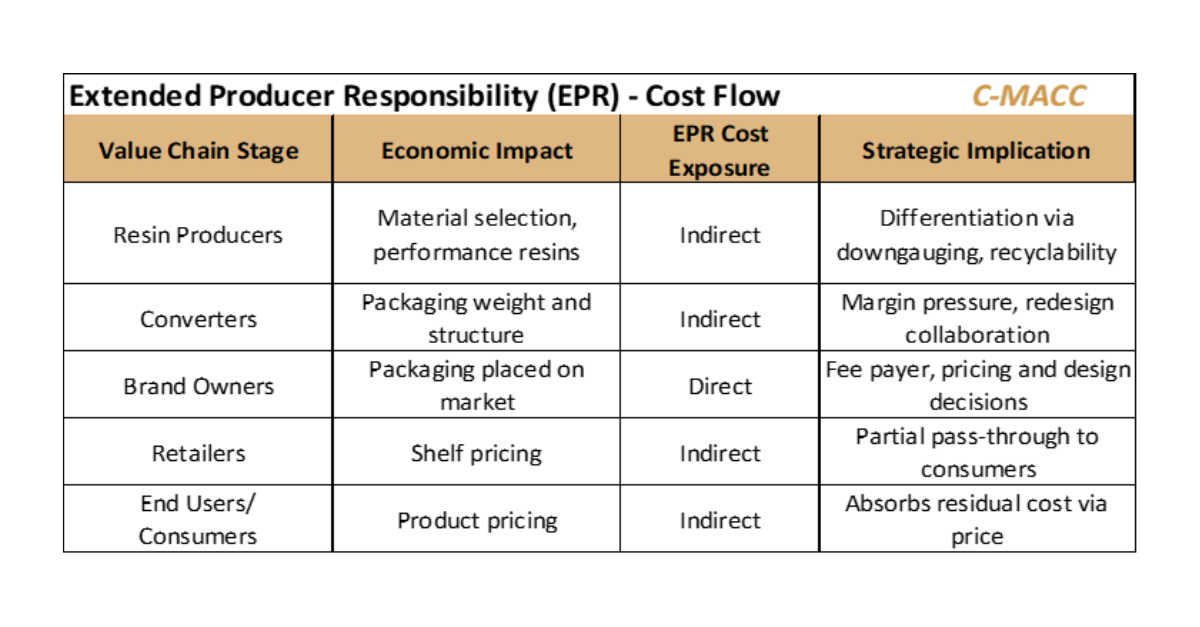
1st Topic of the Week: As EPR increasingly shifts packaging economics, which value-chain players will redesign fastest to protect margins, and who risks absorbing compounding
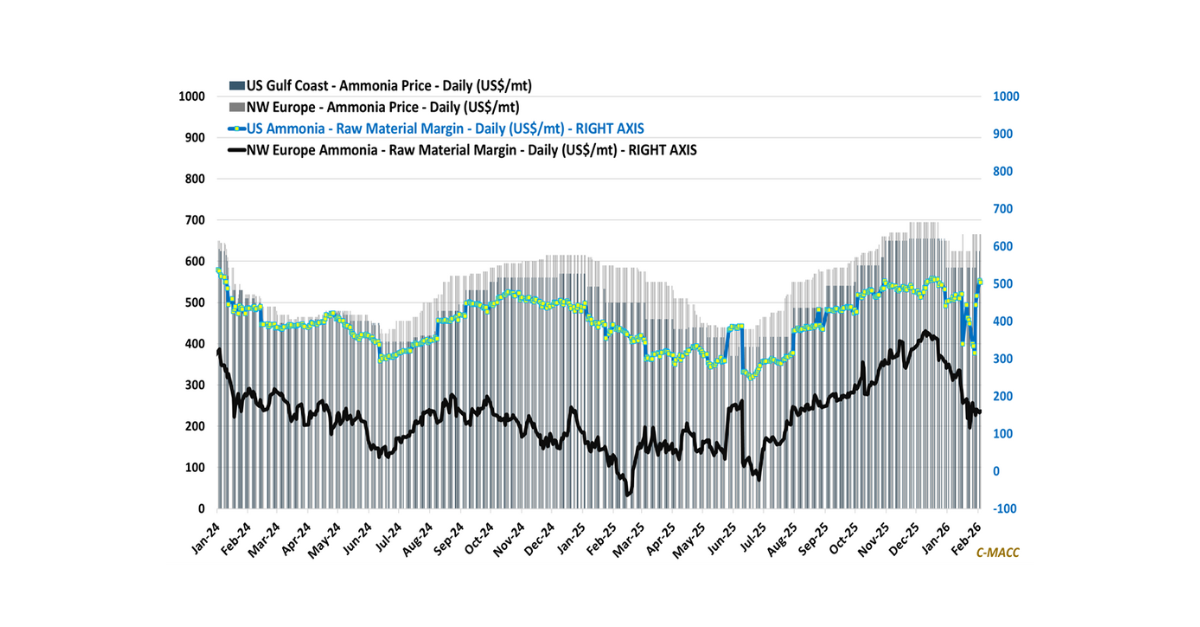
General Thoughts: Ammonia’s fertilizer-anchored cycle diverges from most chemicals, signaling tight supply and investment incentives, while petrochemicals face surplus-driven signals discouraging growth capital.
Supply Chain/Commodities:
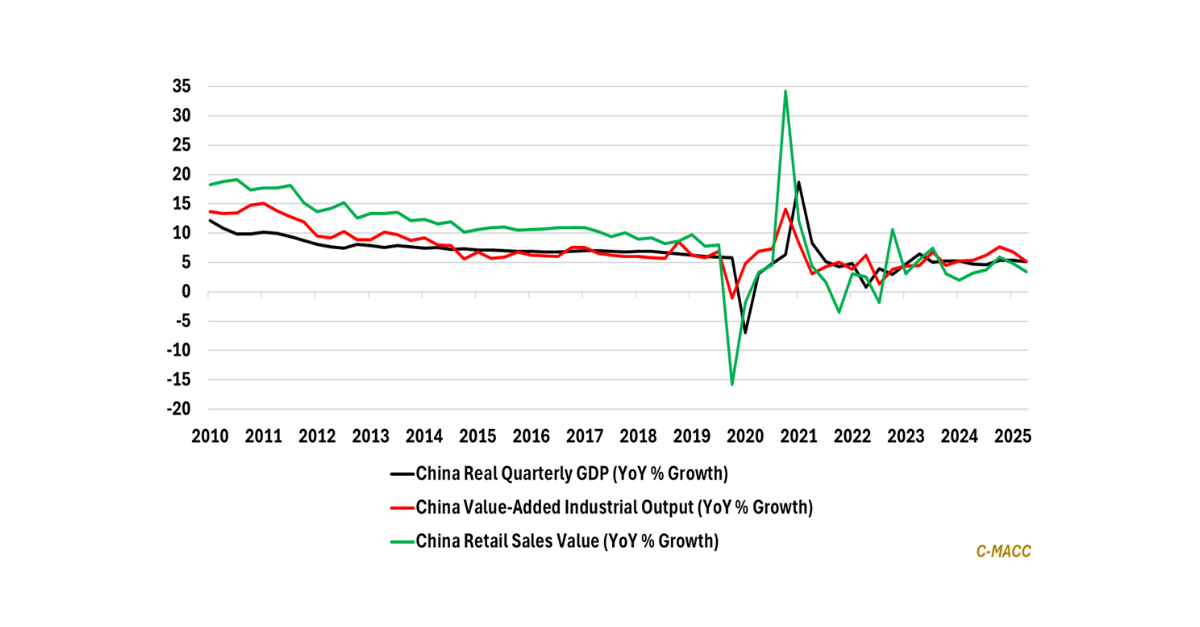
Volatility has transcended cycle theory to become global industrial gravity, where policy cadence, not demand elasticity, dictates profitability, capital sequencing, and the new tempo of
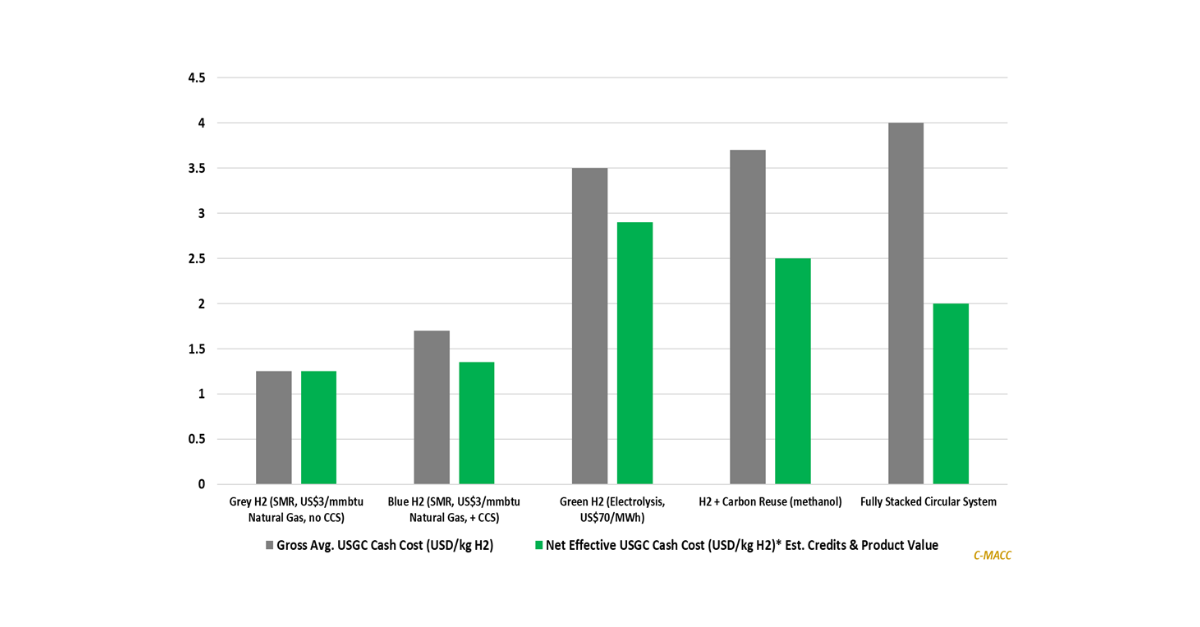
1st Topic of the Week: Carbon should be considered a strategy instead of waste. Can industries mastering capture, re-use, and integration turn decarbonization from a
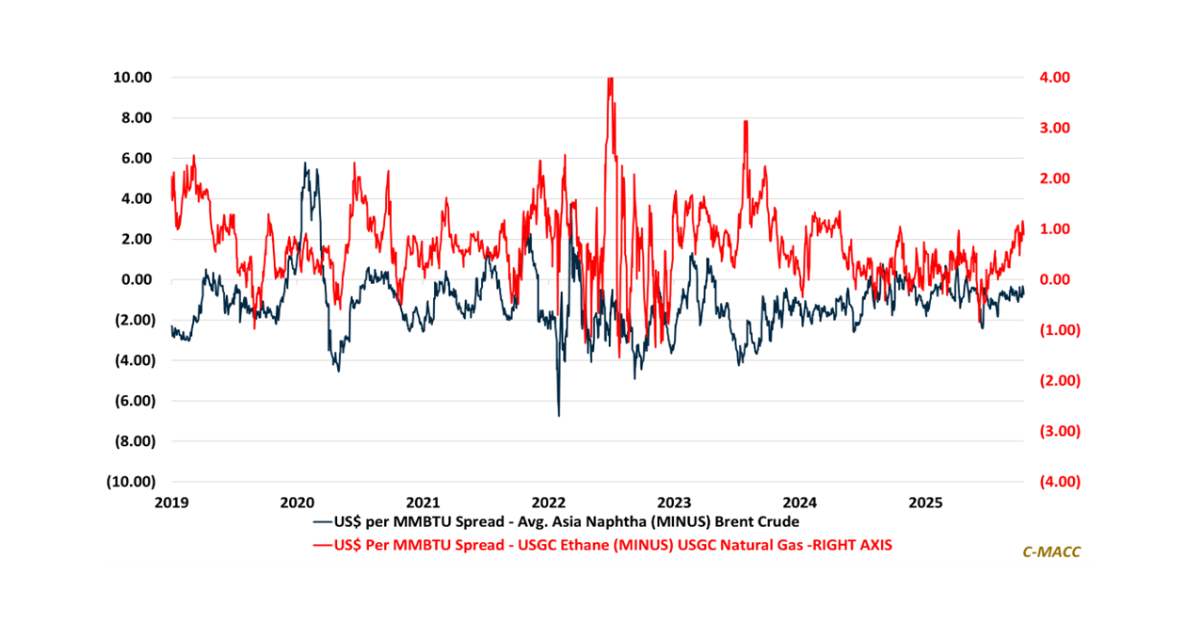
General Thoughts: Chemical feedstock dynamics increasingly signal a global inflection; margin compression forcing strategic resets, capital discipline, and system-wide realignment across industrial value chains.
Supply
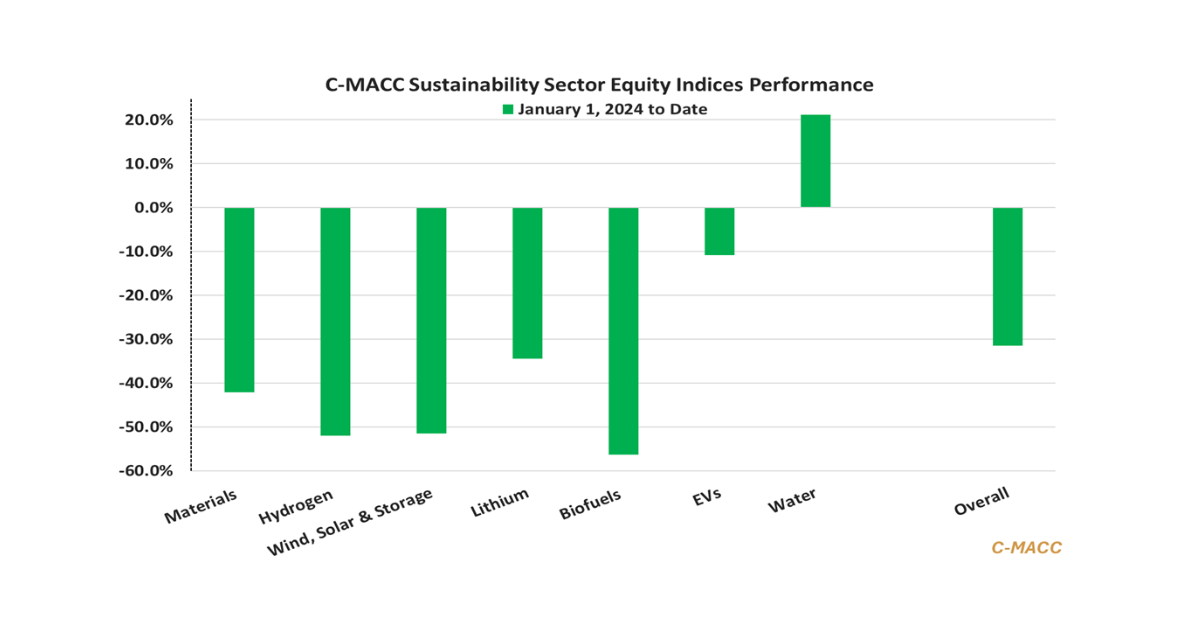
Fragile incentive frameworks and abrupt policy shifts have already erased a dramatic 30–40% of select clean-energy sector equity values, sparking capital flight, reputational damage, and
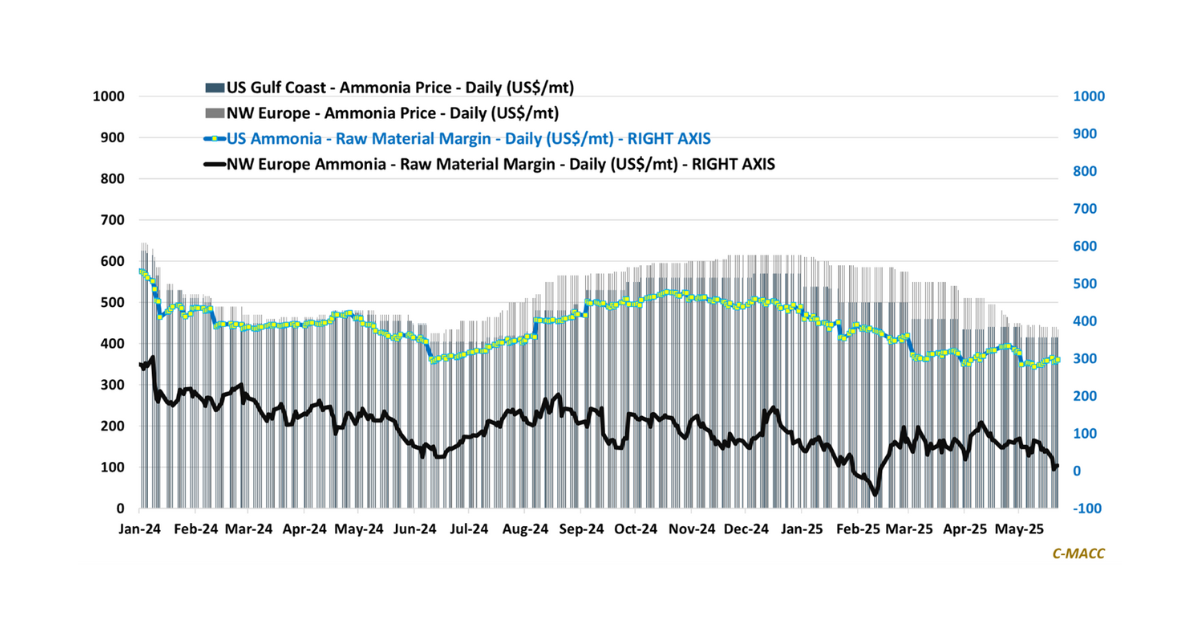
General Thoughts: Strategic clarity matters most in transition: value creation depends not on rapid sentiment-driven shifts but on deliberately retaining infrastructure and assets, driving resilience,
