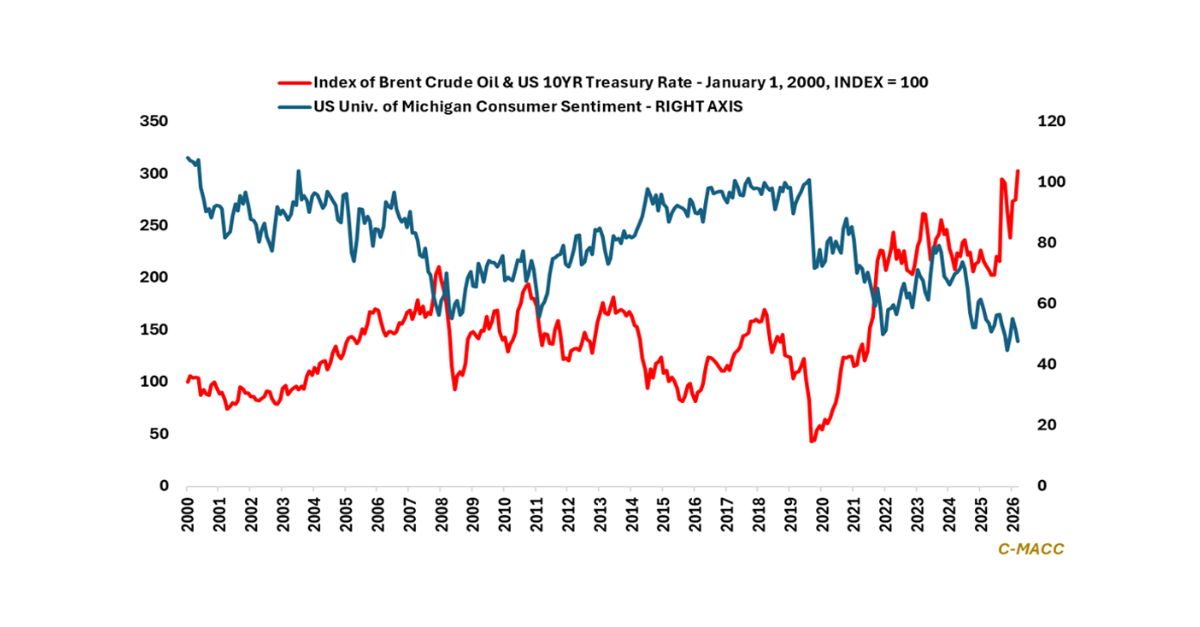
Sunday Executive Summary
Chemical capital is separating by model, with integrated producers funding hard-to-replicate advantages and customer-facing businesses demanding clearer economics before growth spending.
Dow’s collaboration with Amcor

Chemical capital is separating by model, with integrated producers funding hard-to-replicate advantages and customer-facing businesses demanding clearer economics before growth spending.
Dow’s collaboration with Amcor
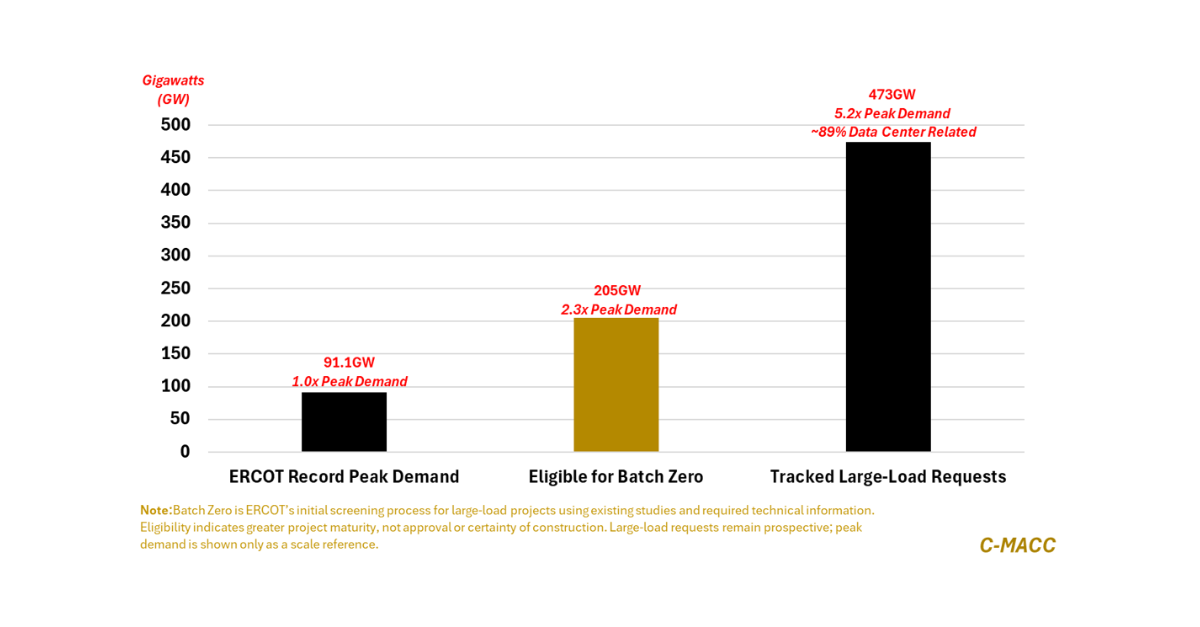
Texas is forcing data center demand through a credibility test, showing why project maturity, customer commitments, power access, and progress deserve more weight than headline
General Thoughts: Higher prices are lifting earnings across constrained markets, but persistent restructuring and responsive supply show that today’s gains still face a meaningful durability
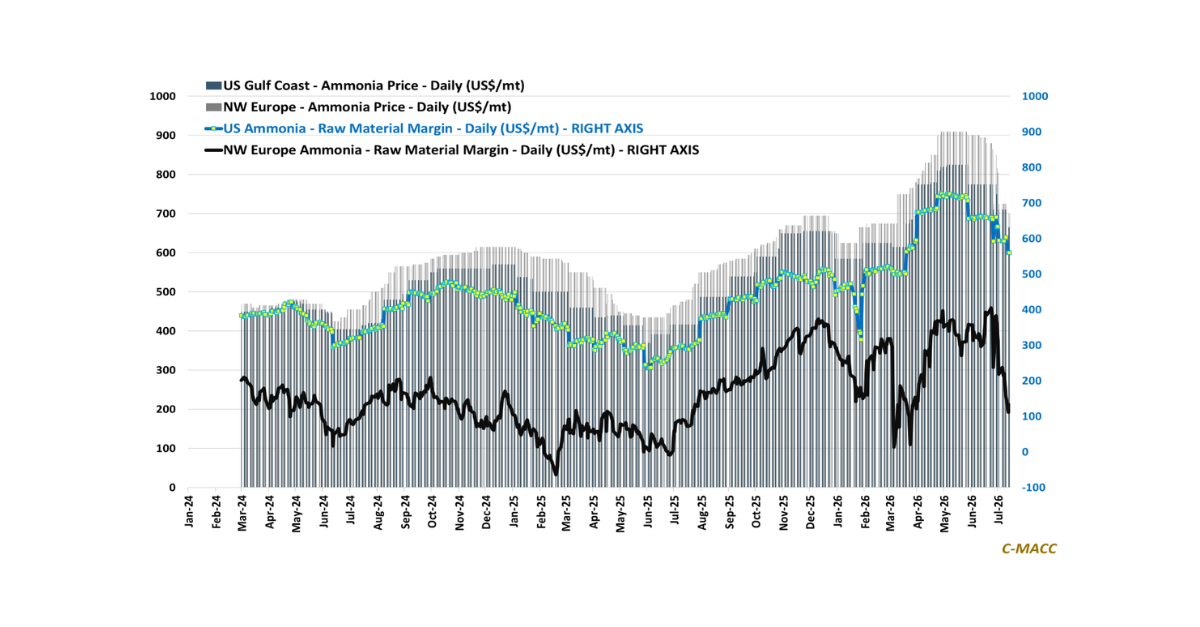
Being low cost widens producer margins, but customer resistance can reduce utilization, realized volume, and total earnings even when the underlying cost advantage remains intact
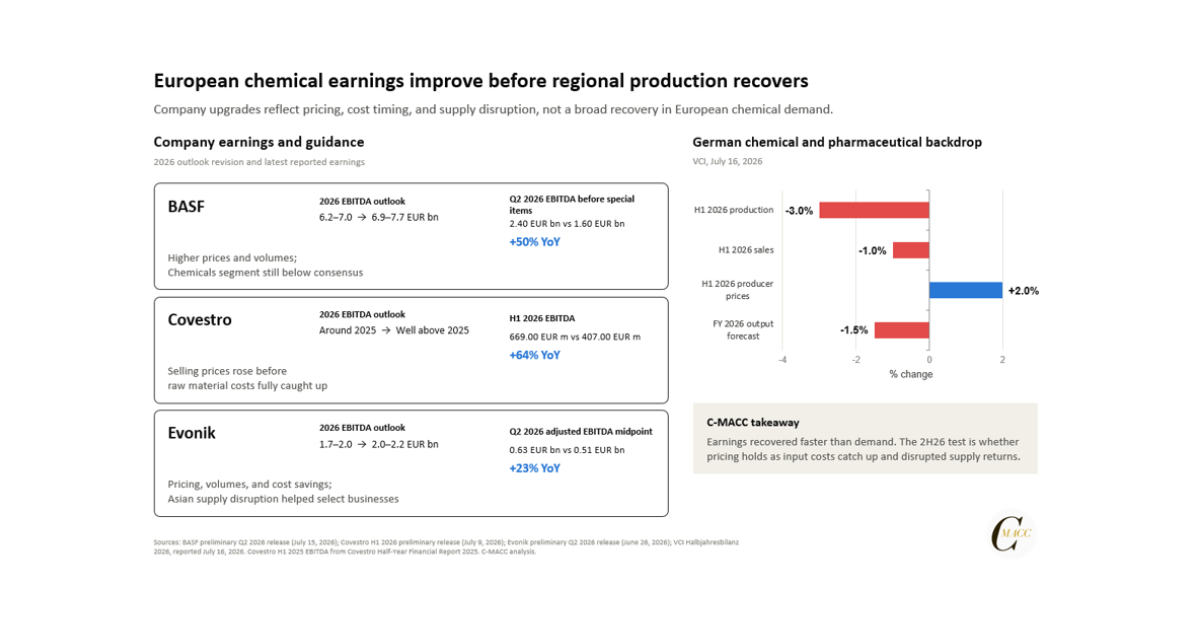
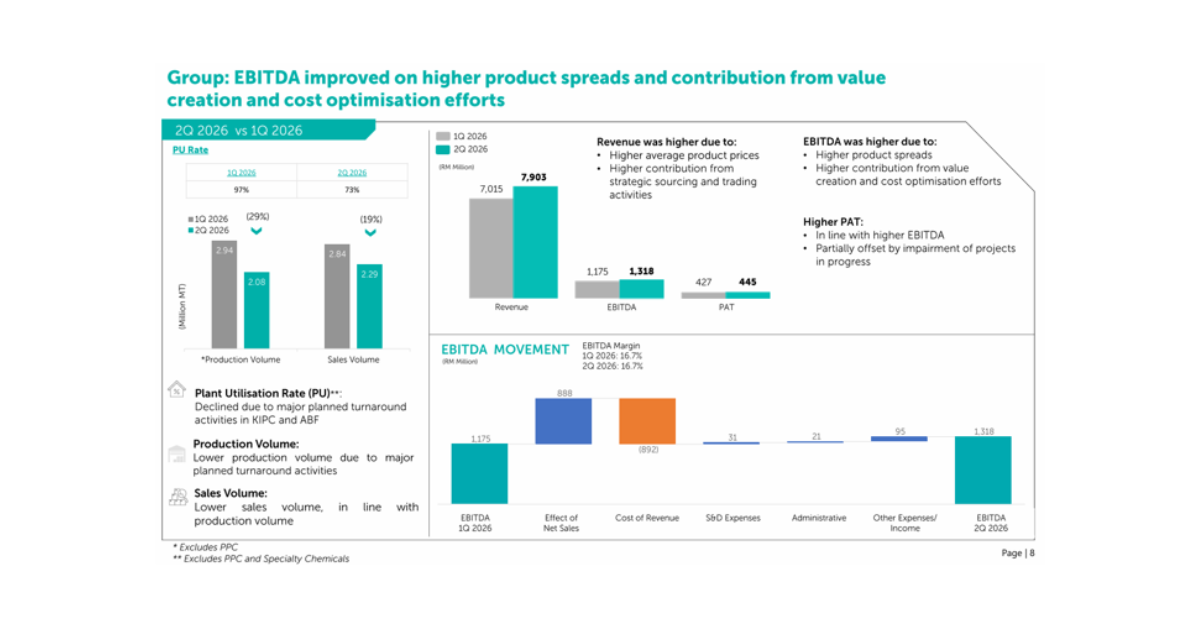
General Thoughts: Company-specific pricing, cost timing, and supply advantages lifted 2Q26 results before end demand improved, leaving 2H26 performance exposed to higher inputs and normalized
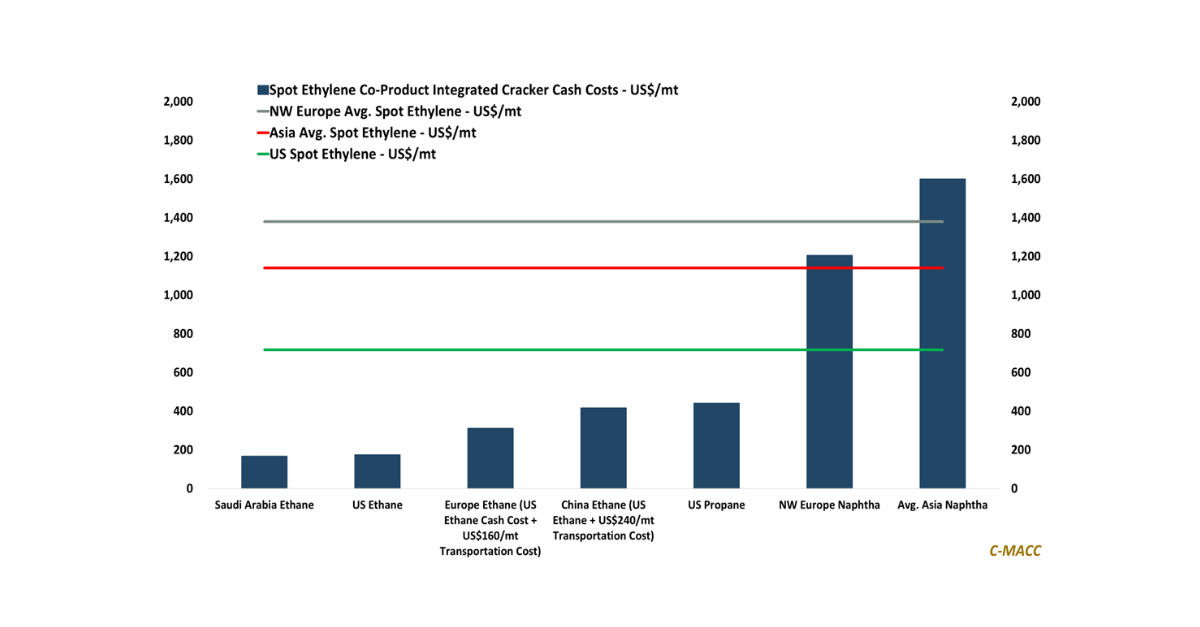
Asia’s olefins cost-recovery squeeze is forcing ex-China asset reviews, as naphtha-based production costs exceed those in Europe and Chinese exports limit derivative price recovery.
Europe’s
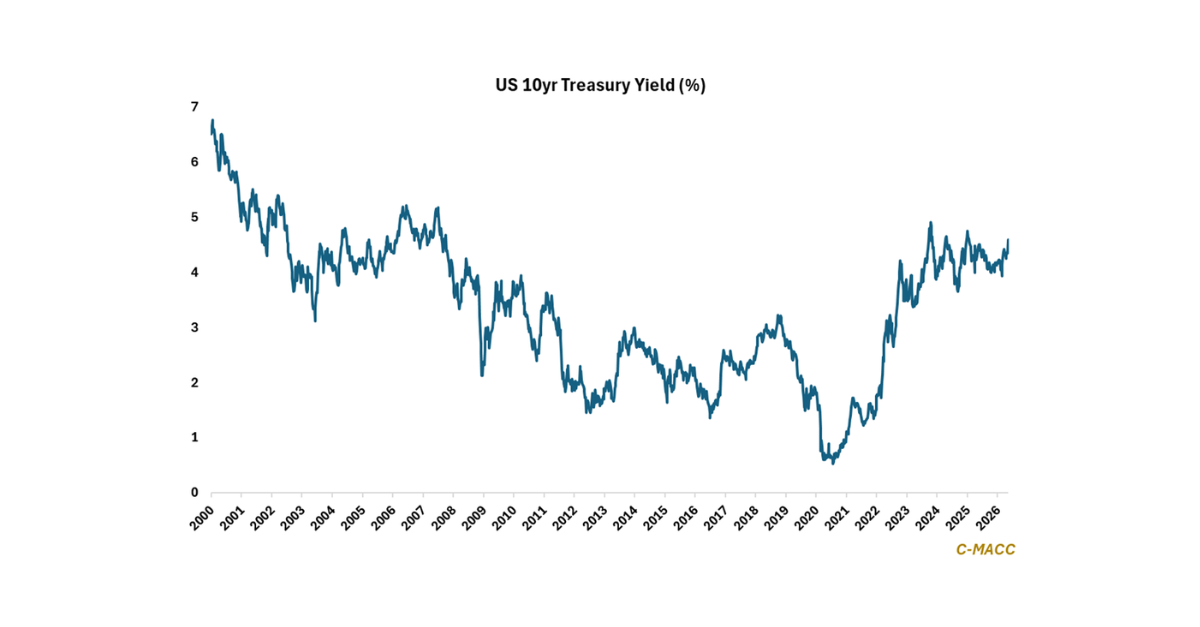
General Thoughts: Elevated financing and energy costs are accelerating consolidation, asset rationalization, and supply-chain prioritization across power, chemicals, and industrial infrastructure systems globally.
Supply Chain/Commodities:
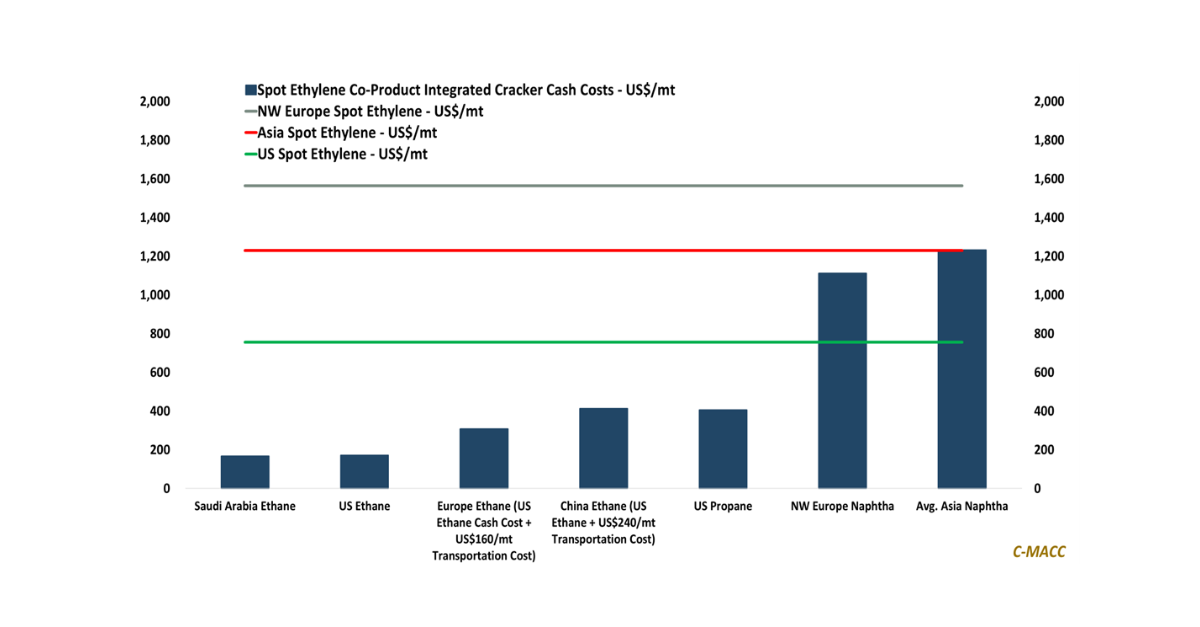
Industrial competitiveness increasingly reflects access to qualified infrastructure, freight continuity, and grid execution rather than a nominal feedstock advantage or headline commodity pricing alone.
Europe’s
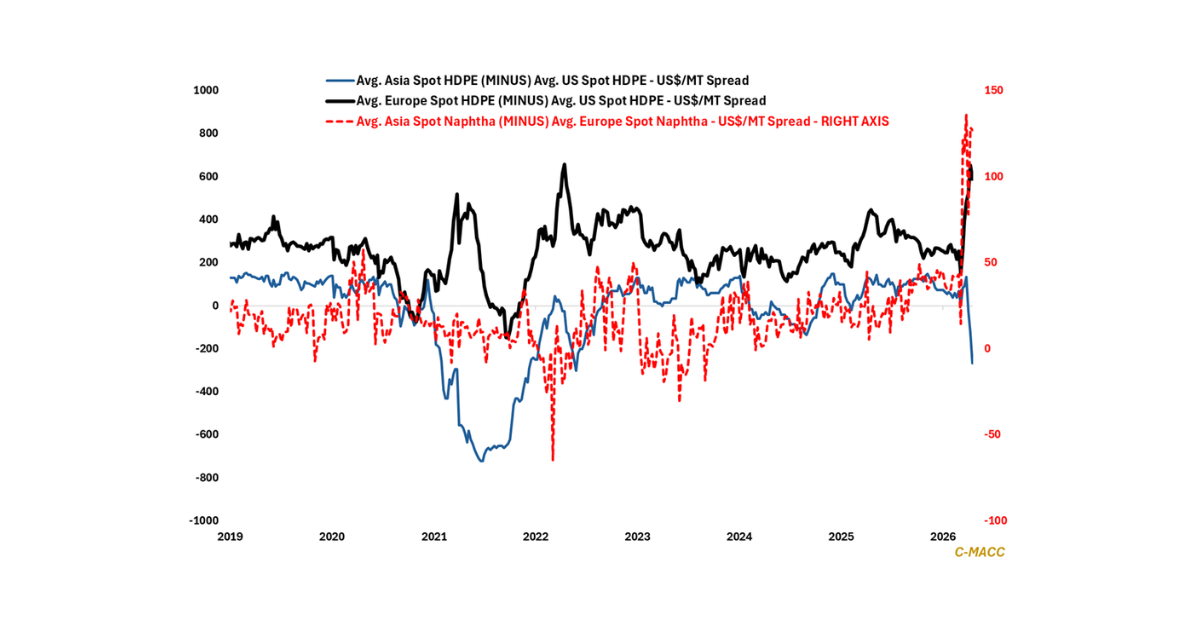
General Thoughts: Asia polyethylene (PE) prices are too low relative to tightening supply, as feedstock shocks and run cuts have not cleared, setting up a
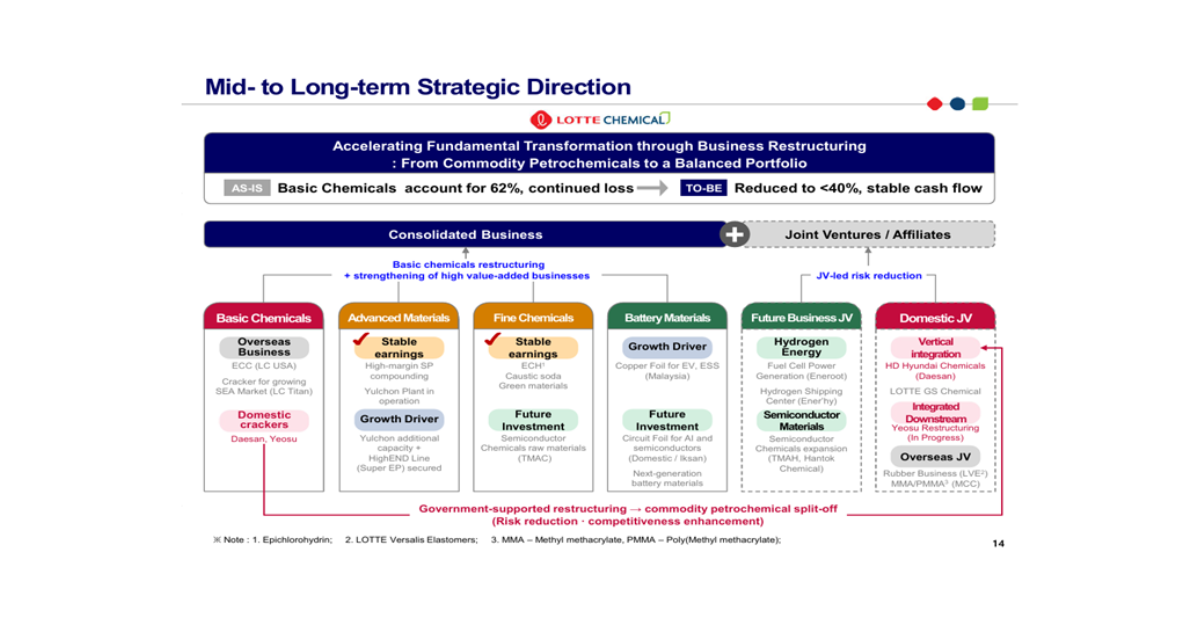
General Thoughts: Lotte’s Daesan spin-off signals forced restructuring across high-cost regions, where policy-backed capital enables consolidation and shifts value toward integrated, advantaged platforms.
Supply Chain/Commodities:
