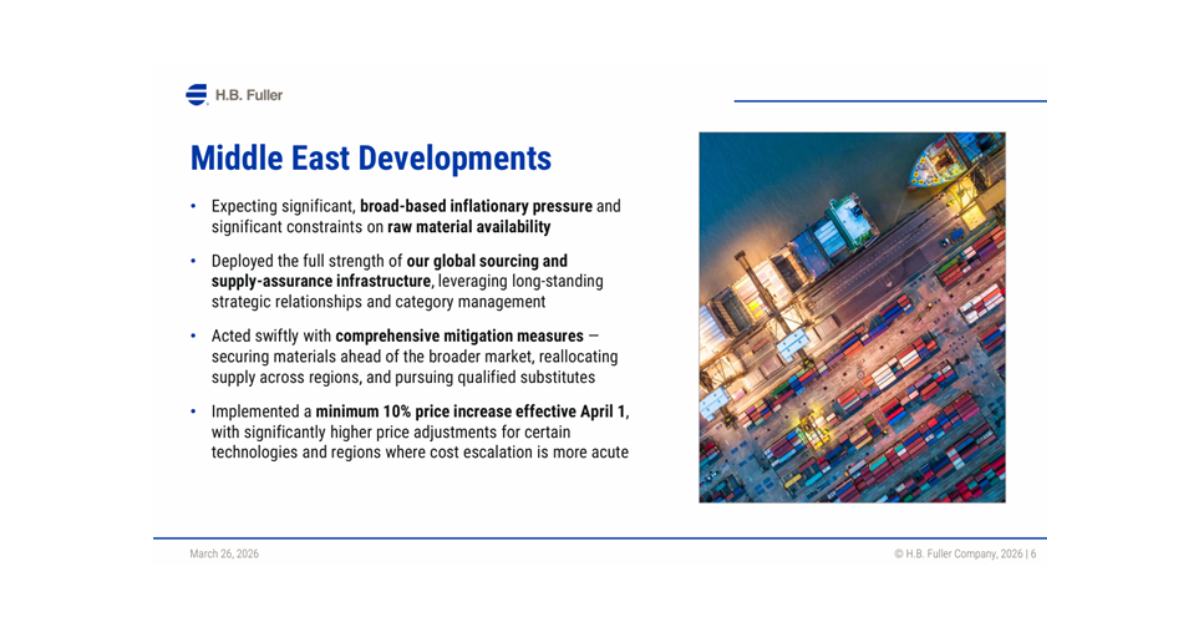
Global Market Analysis
General Thoughts: Supply shocks are shifting power from cost to control, concentrating value in integrated systems as export-driven convergence reshapes demand, margins, and capital allocation

General Thoughts: Supply shocks are shifting power from cost to control, concentrating value in integrated systems as export-driven convergence reshapes demand, margins, and capital allocation
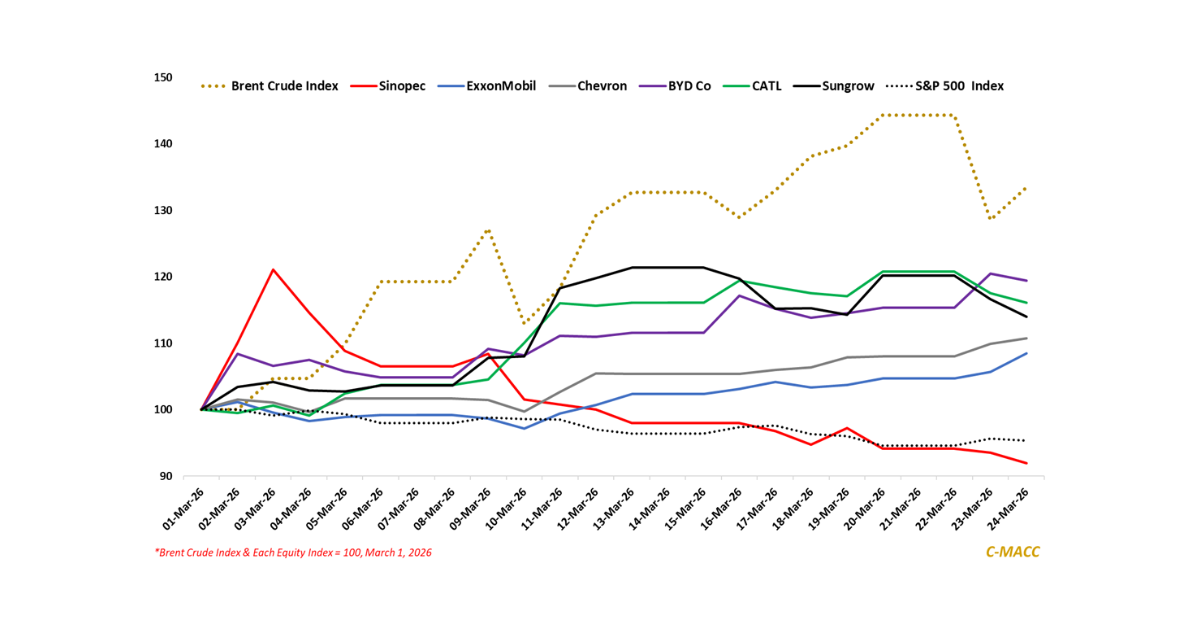
General Thoughts: Energy security is reshaping value chains, driving a bifurcation in which capital concentrates in low-cost hydrocarbons and in electrification, compressing high-cost industrial systems.
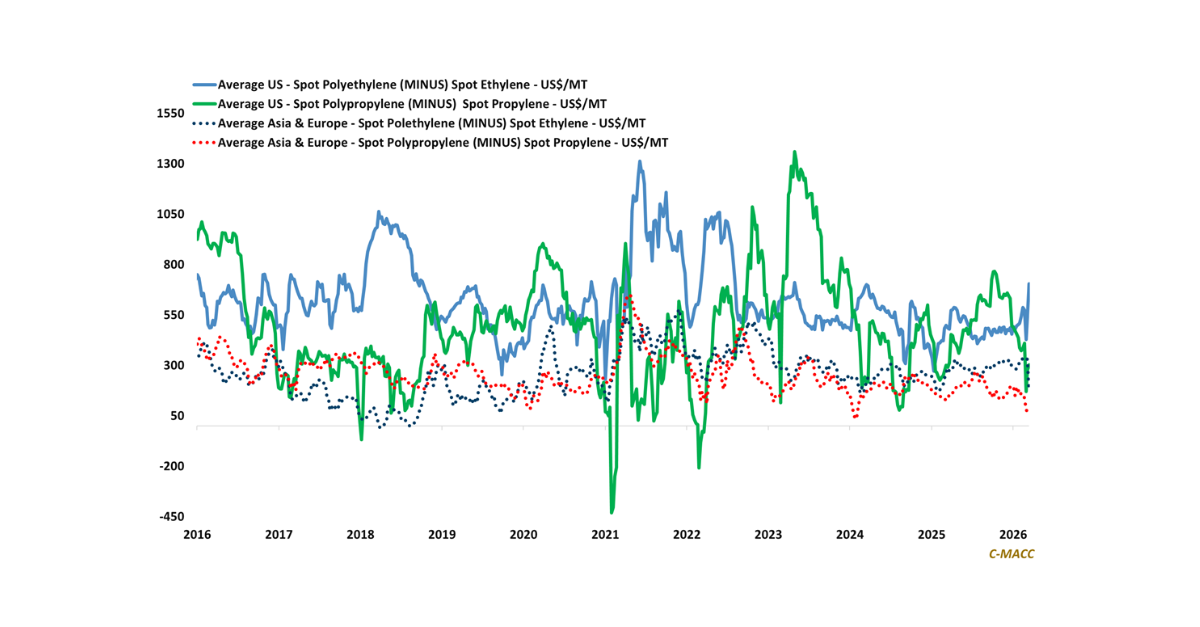
Dependable operations now define competitive advantage, with non-integrated assets losing ground as fragility disrupts throughput, raises risk, and weakens returns under stress.
Oil-linked feedstock systems
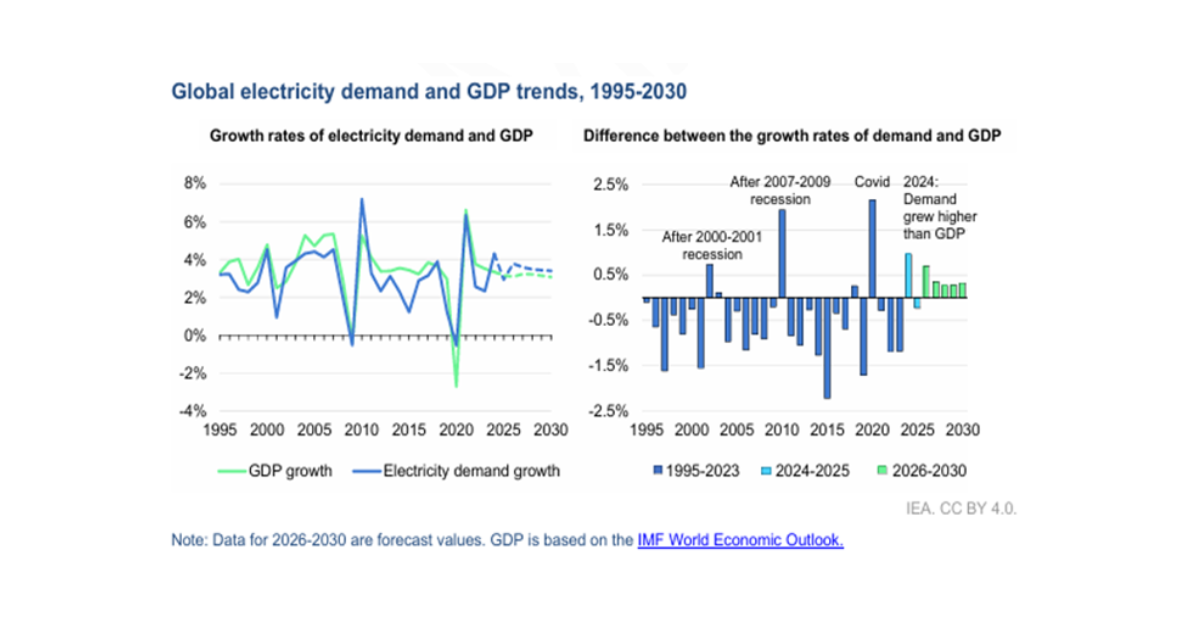
1st Topic of the Week: Electricity demand is positioned to outpace economic growth, shifting competitive advantage toward regions with secure, scalable power access, reliable infrastructure,
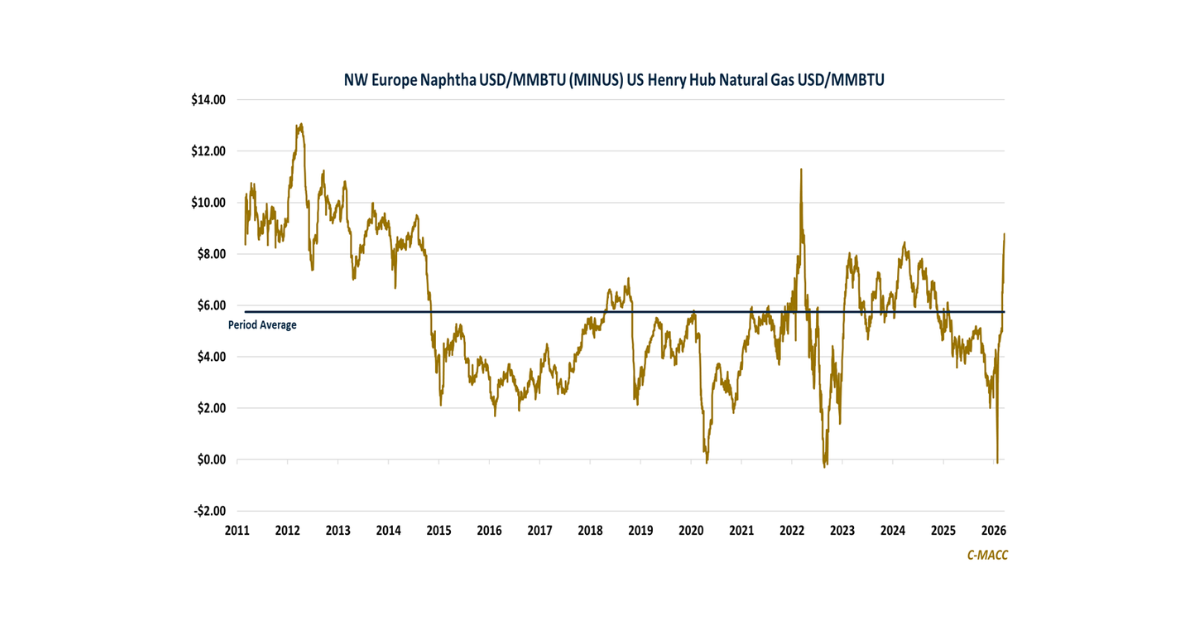
General Thoughts: Escalating Middle East disruption scale is reducing system flexibility faster than it can be restored, shifting pricing power, capital allocation, and competitive positioning
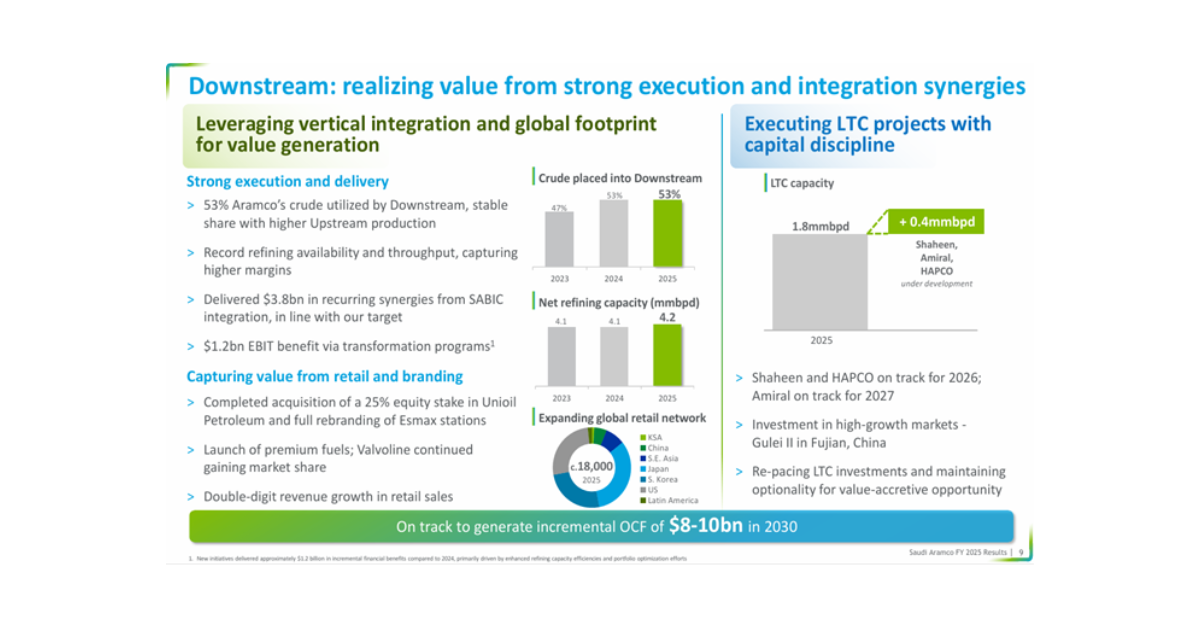
General Thoughts: Integration, logistics flexibility, and feedstock advantage are increasingly replacing scale as the chemical sector’s defining competitive edge, steering capital toward integrated production platforms.
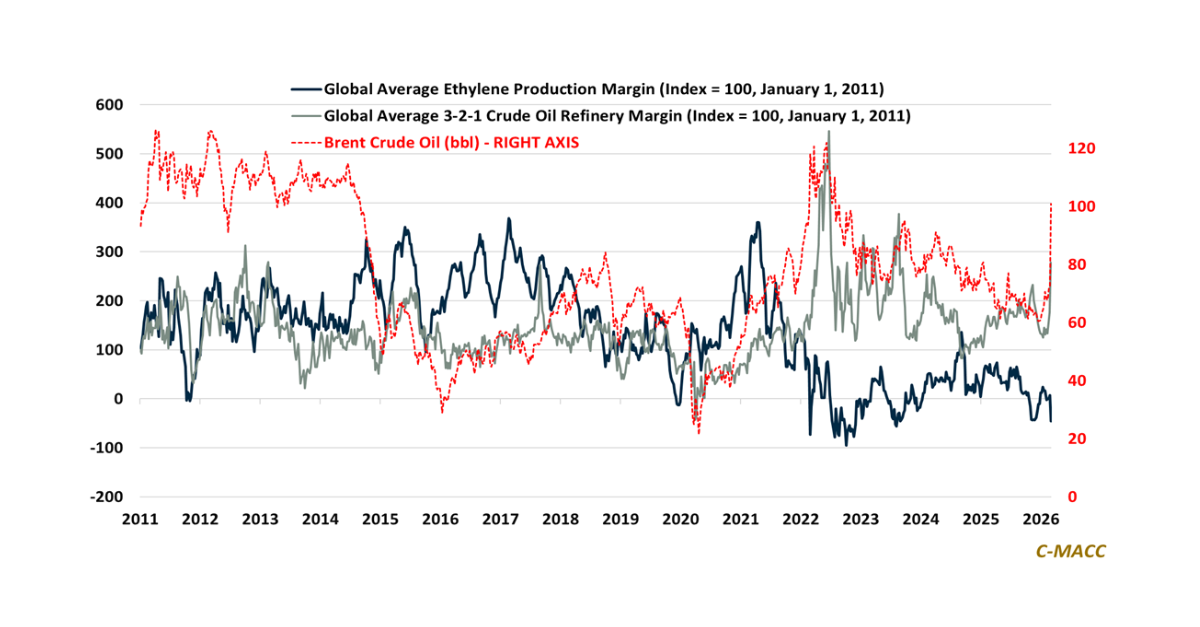
General Thoughts: Energy shocks are redistributing profitability across industrial value chains as surging ex-US energy costs compress petrochemical margins, tighten fertilizer markets, and strengthen North
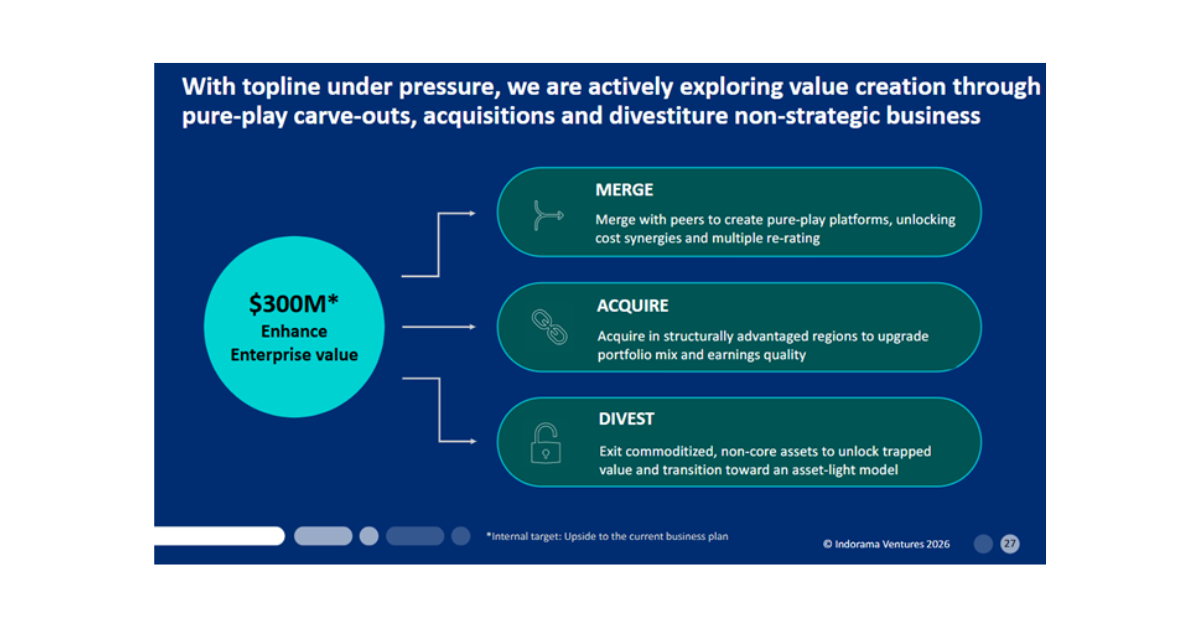
General Thoughts: Feedstock volatility, still weak demand, and supply chain stress accelerate global chemical restructuring as companies actively reshape portfolios to improve long-term risk-adjusted returns.
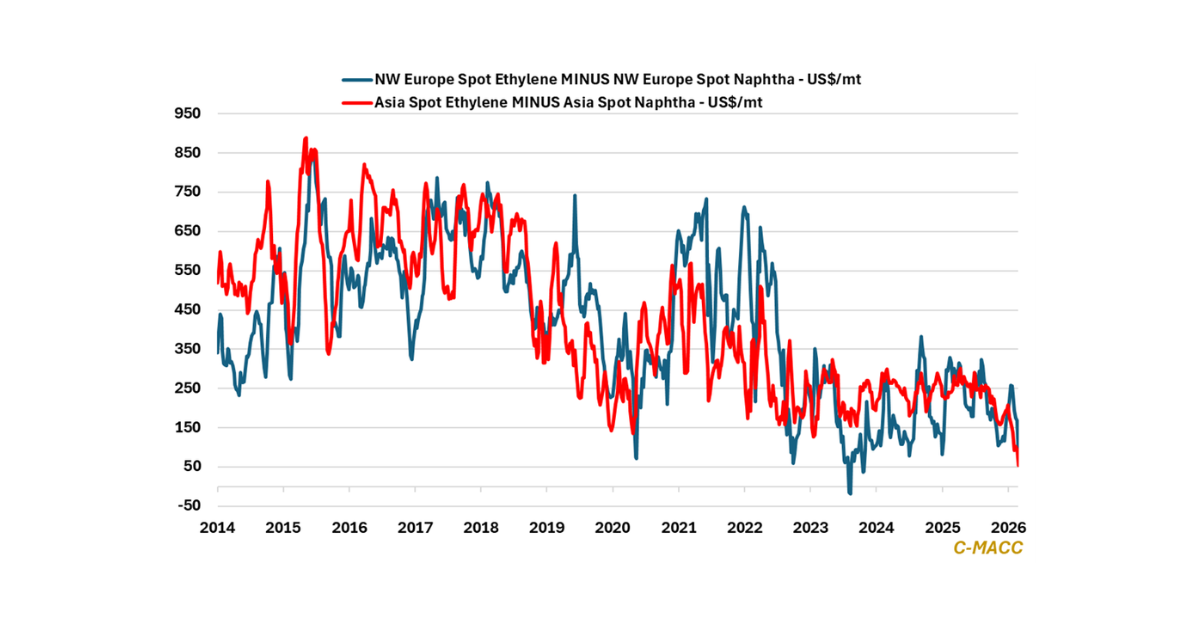
General Thoughts: Global energy shocks, narrowing sanctioned crude oil discounts, and persistent olefin oversupply converge to lift marginal costs, accelerate restructuring, and benefit gas-advantaged producers.
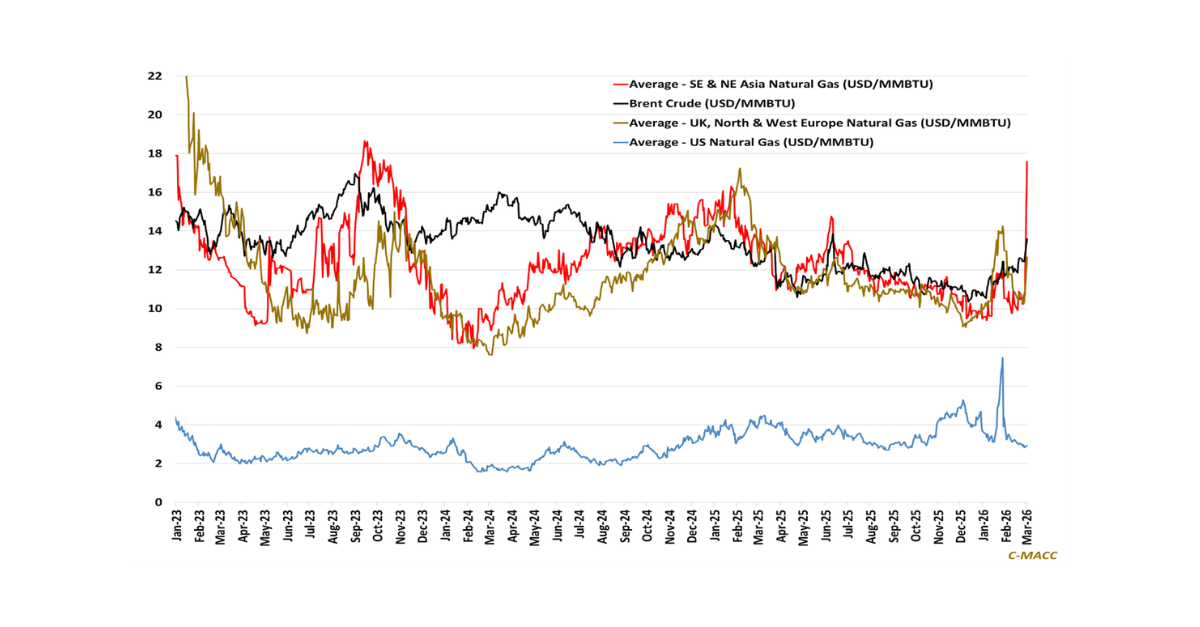
General Thoughts: Crude oil and Ex-US natural gas price strength relative to US levels has steepened the global cost curve for most chemicals, accelerating rationalization
