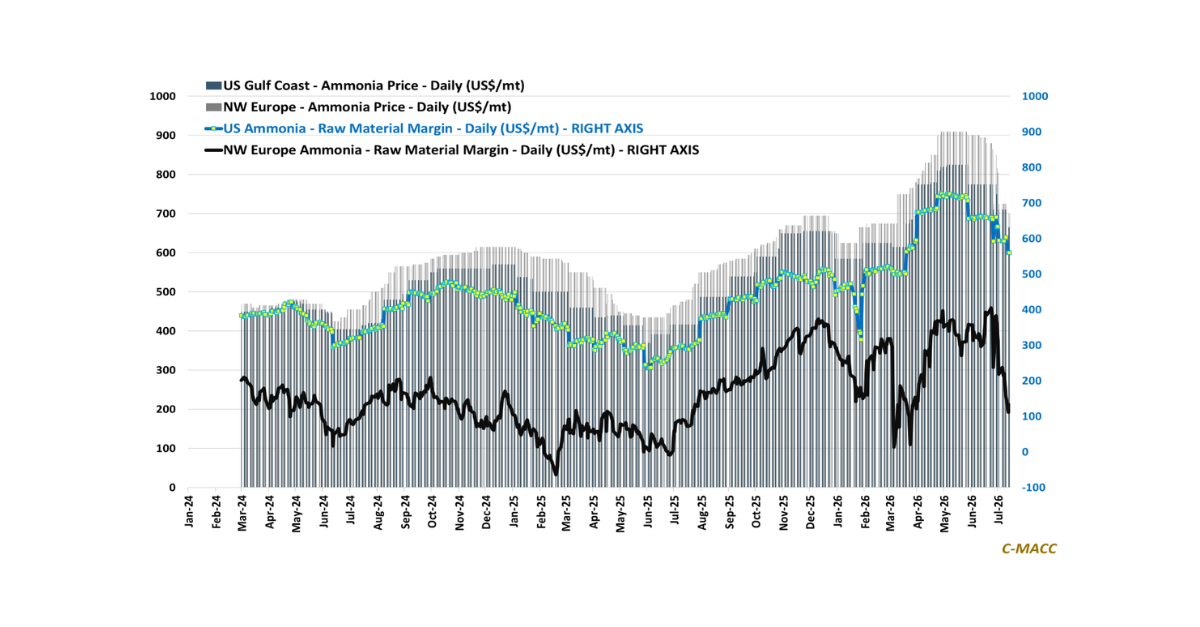
Sunday Executive Summary
Being low cost widens producer margins, but customer resistance can reduce utilization, realized volume, and total earnings even when the underlying cost advantage remains intact

Being low cost widens producer margins, but customer resistance can reduce utilization, realized volume, and total earnings even when the underlying cost advantage remains intact
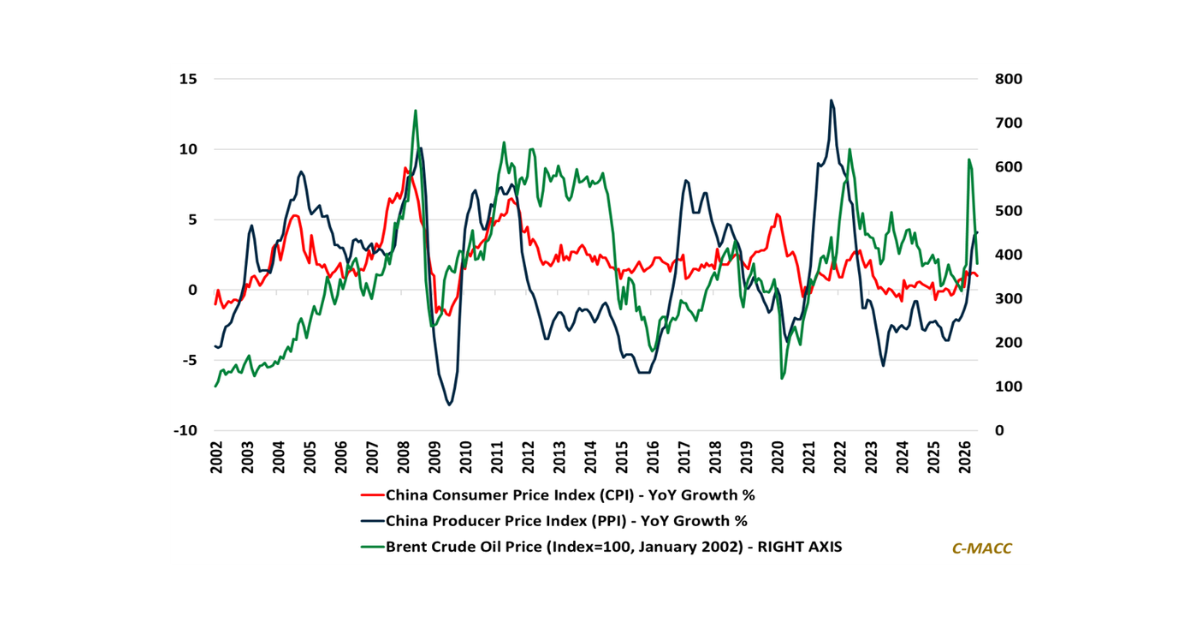
General Thoughts: China’s producer prices absorb oil shocks more quickly than consumer prices, leaving manufacturers to bear more of the cost and seek stronger returns
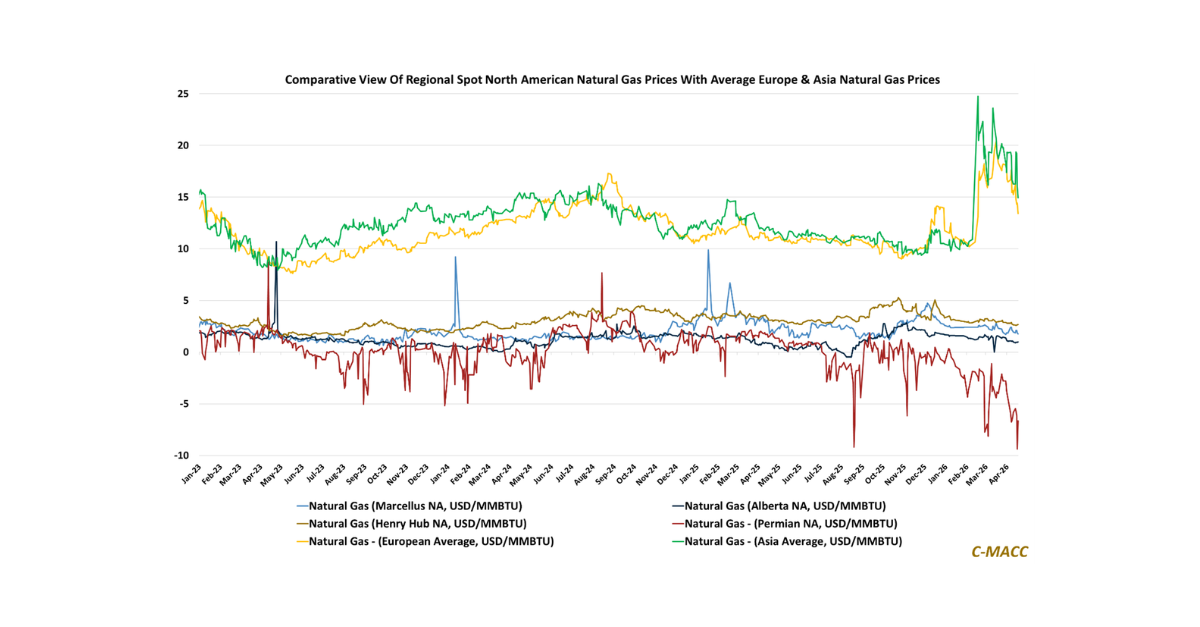
Natural gas markets are increasingly defined by infrastructure, access, and the ability to reliably convert production into delivered, monetizable demand across regional and global systems.
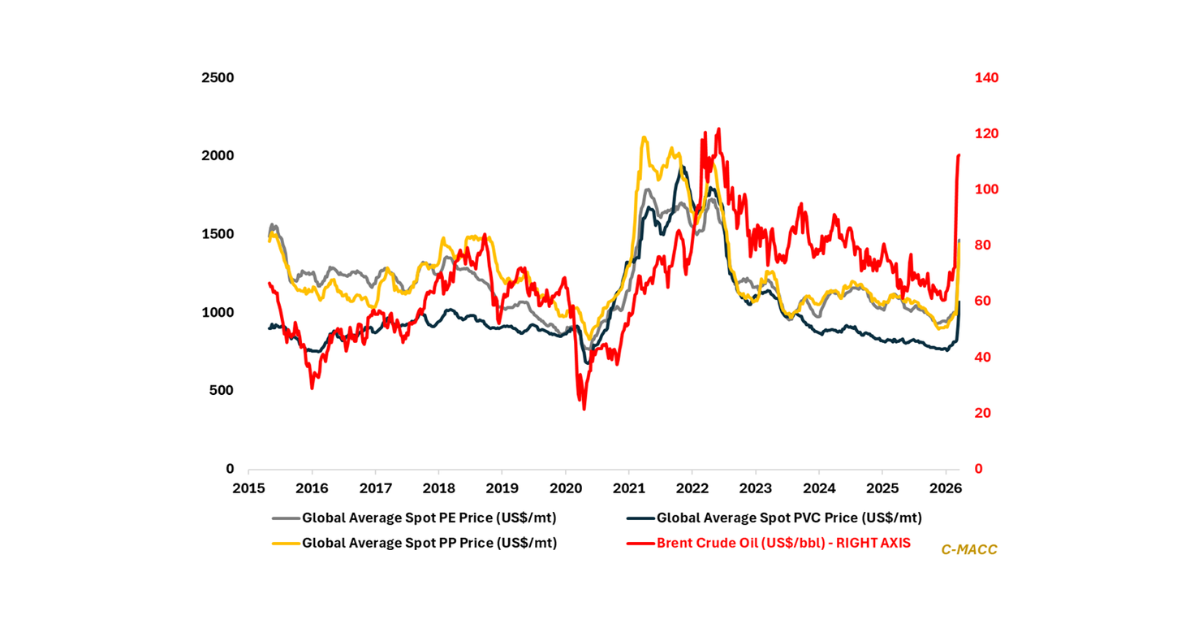
System constraints are compressing global corporate decision cycles, forcing capital into platforms that secure inputs, logistics, and execution simultaneously rather than optimizing sequentially across markets.
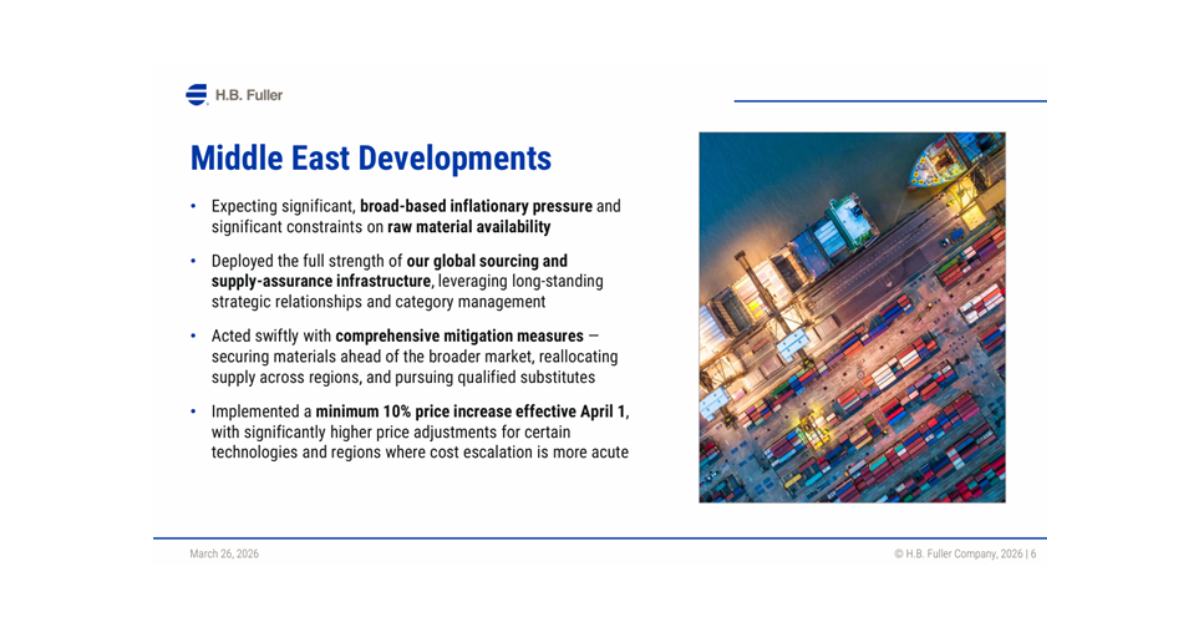
General Thoughts: Supply shocks are shifting power from cost to control, concentrating value in integrated systems as export-driven convergence reshapes demand, margins, and capital allocation
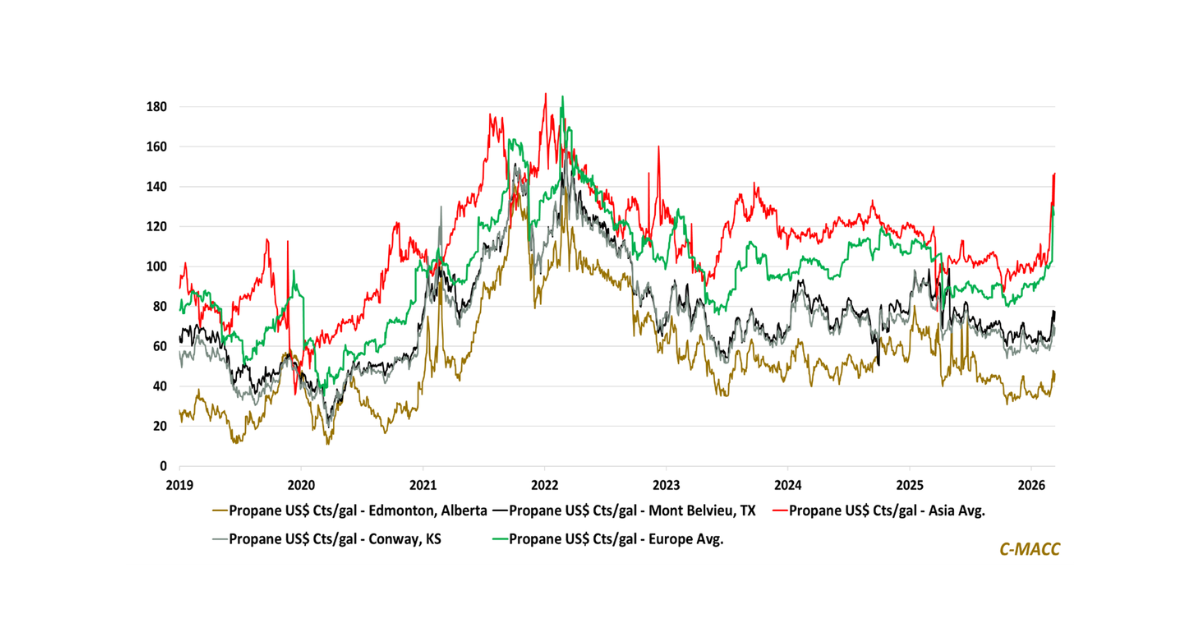
Asia and Europe now pay a structural propane premium as Middle East disruption risk lifts import costs, compressing PDH production margins abroad and reinforcing North
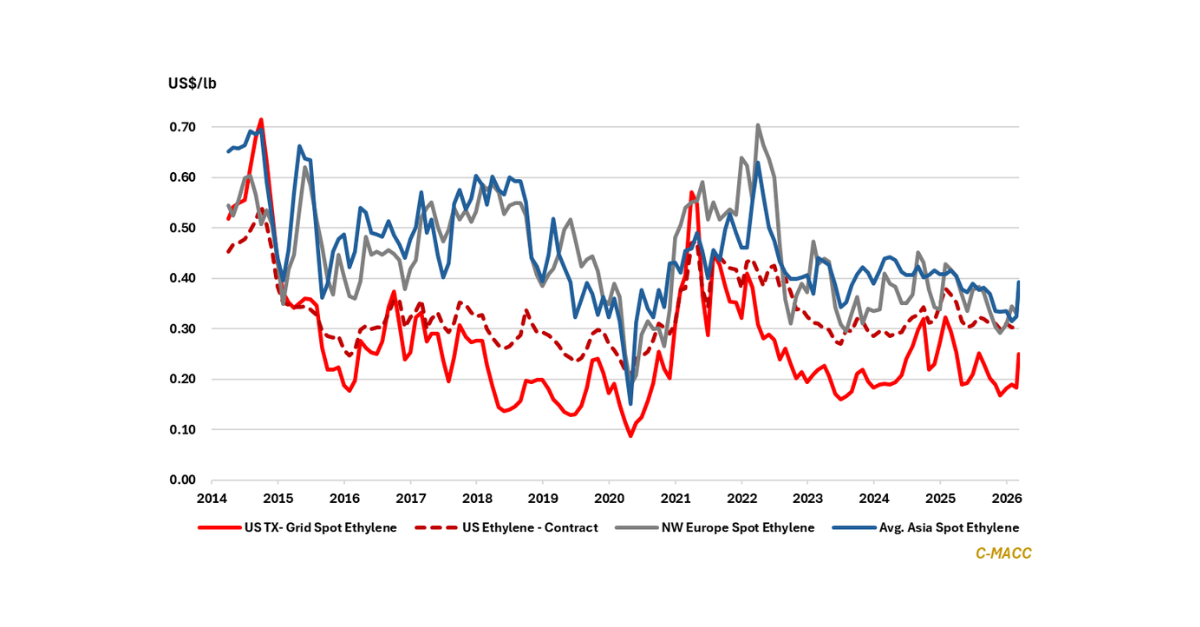
General Thoughts: Supply disruptions expose structural weaknesses in global petrochemical trade, favoring logistics flexibility and advantaged feedstocks while limiting new investment responses.
Supply Chain/Commodities: Ethylene
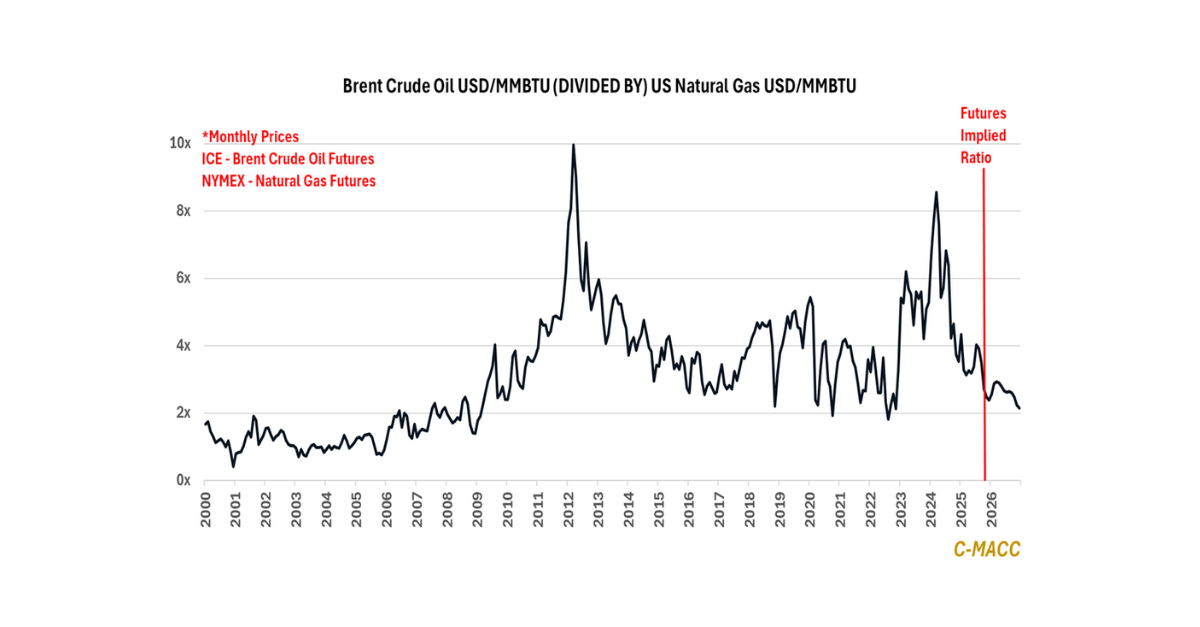
Depressed oil-to-gas ratios and elevated soy-to-corn prices shift chemical-sector risk profiles: commodity chemical underperformers in 2025 face low expectations in 2026, whereas agriculture faces the
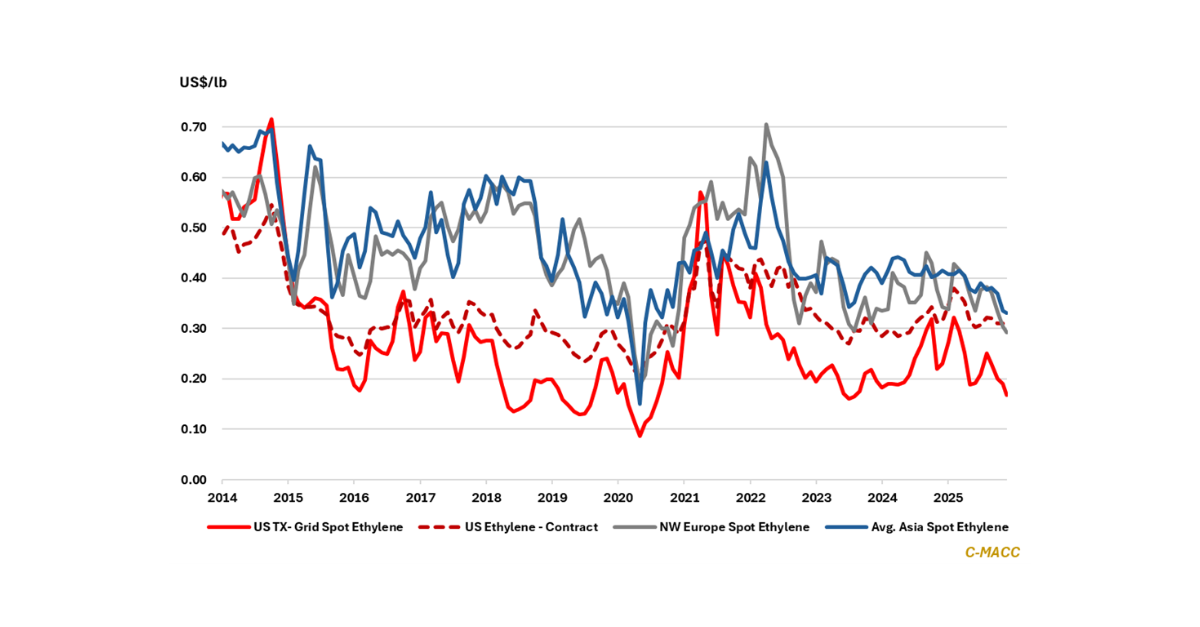
General Thoughts: Exporting the advantaged US ethane cost position and surplus ethylene amid low oil prices and downstream market oversupply will likely be a bumpy
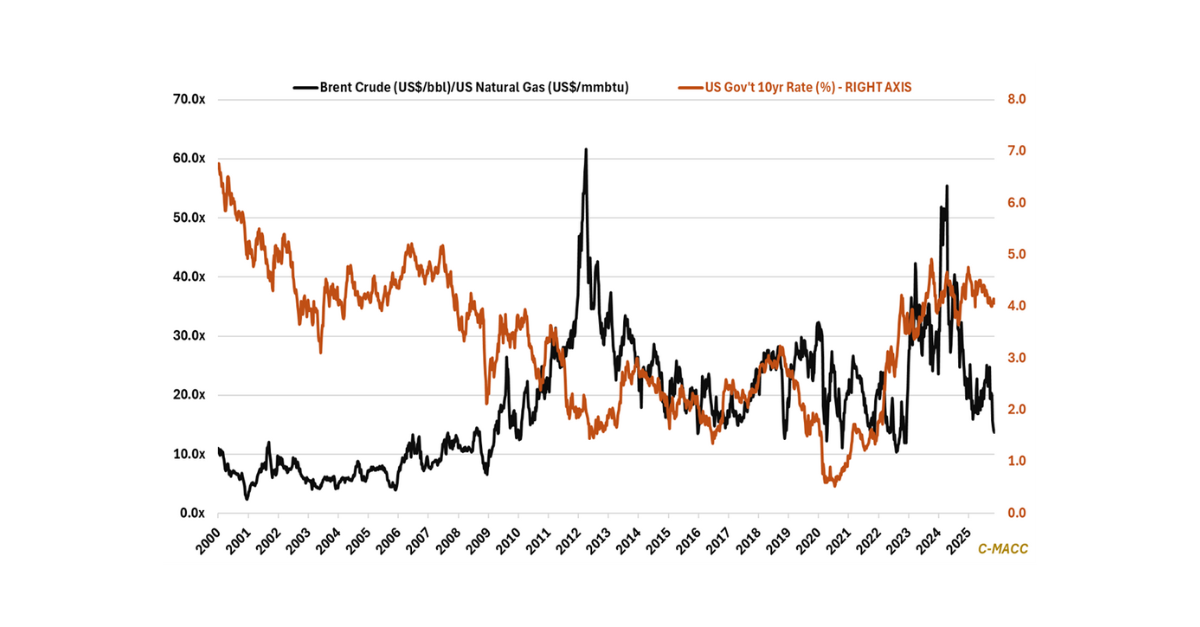
Procurement-led synergy engines, not scale alone, are increasingly becoming the primary determinant of industrial competitiveness in a high-cost-capital, low-growth world increasingly defined by structural volatility.
