Sunday Executive Summary
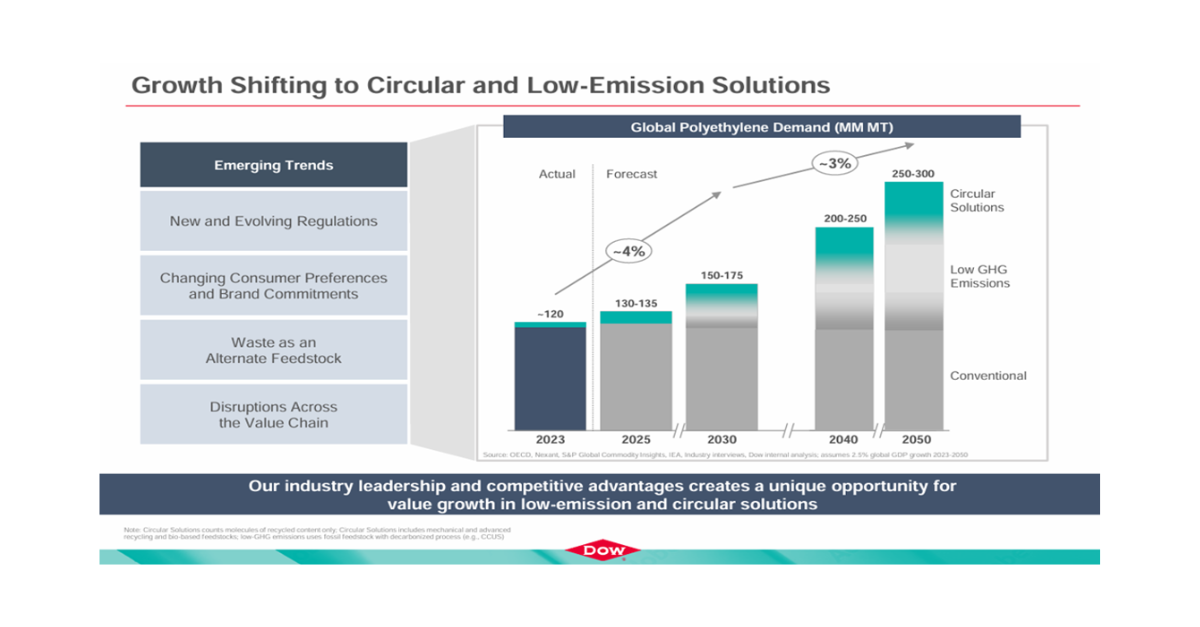
Most attention remains on near-term PE tightness, but supply growth is also becoming less dependable, leaving the medium-to-long-term outlook firmer than pre-conflict forecasts anticipated.
Middle

Most attention remains on near-term PE tightness, but supply growth is also becoming less dependable, leaving the medium-to-long-term outlook firmer than pre-conflict forecasts anticipated.
Middle
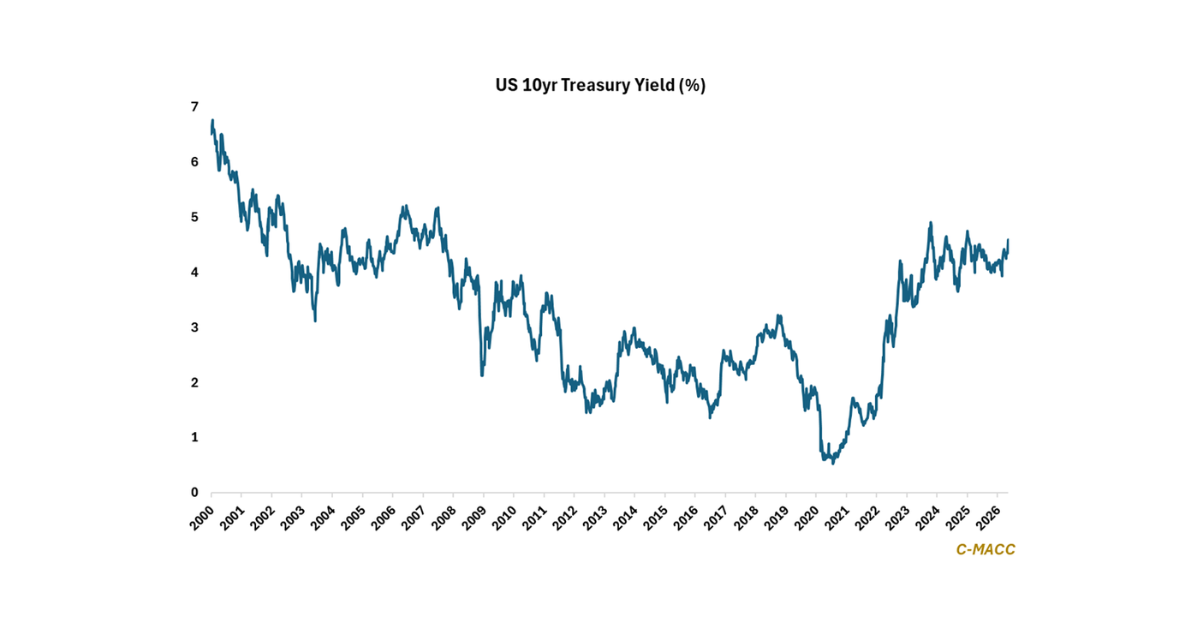
General Thoughts: Elevated financing and energy costs are accelerating consolidation, asset rationalization, and supply-chain prioritization across power, chemicals, and industrial infrastructure systems globally.
Supply Chain/Commodities:

Contract pricing is emerging as the governing signal in constrained markets, embedding access, timing, and supply assurance, while spot pricing reflects residual, uncommitted liquidity pools.
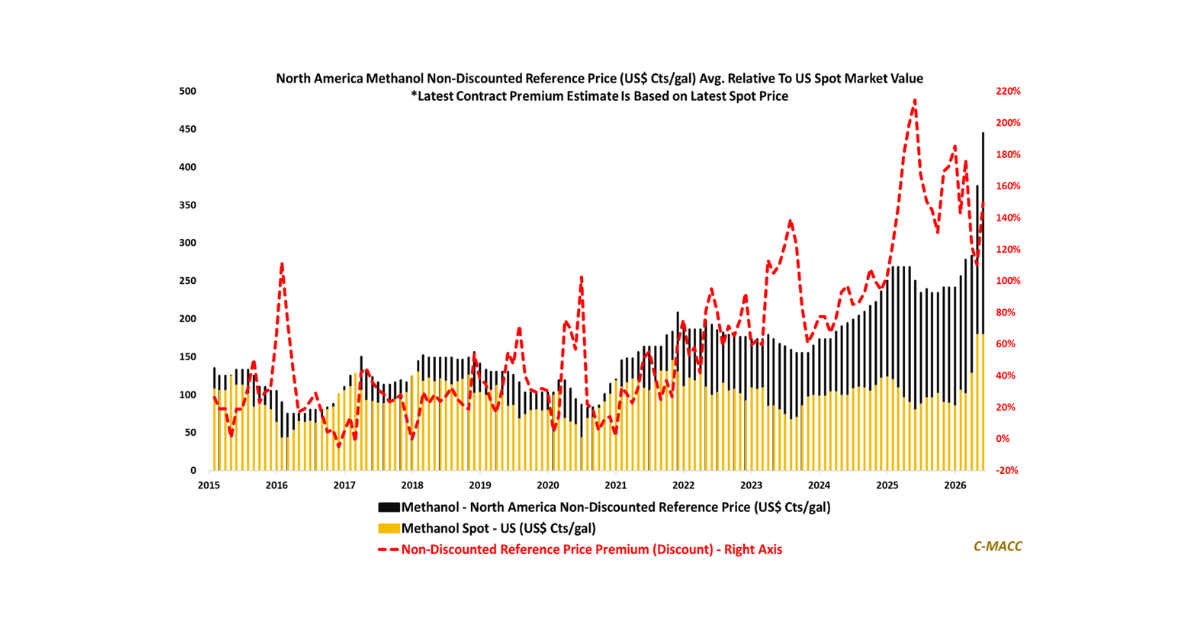
General Thoughts: Contracts function as synthetic inventory amid tight supply, with tightening availability compressing discounts and pulling realized pricing toward benchmarks ahead of delayed pass-through.
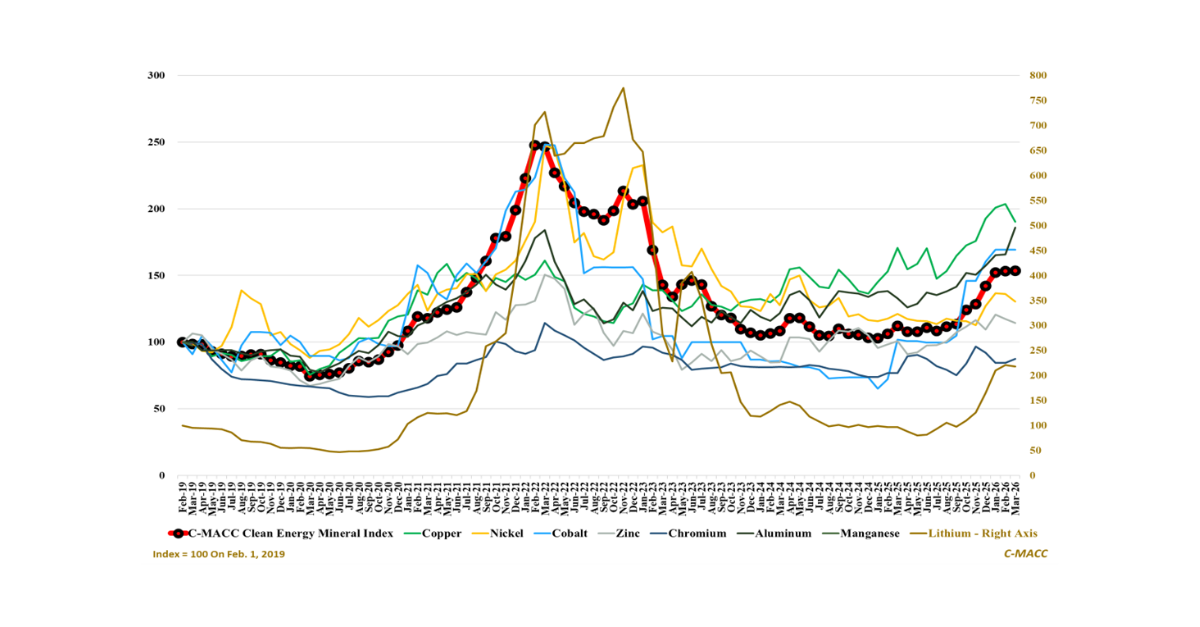
Critical minerals diverge as electrification costs fall structurally, confirming inputs are no longer the binding constraint and decisively shifting advantage toward systems that deliver reliable
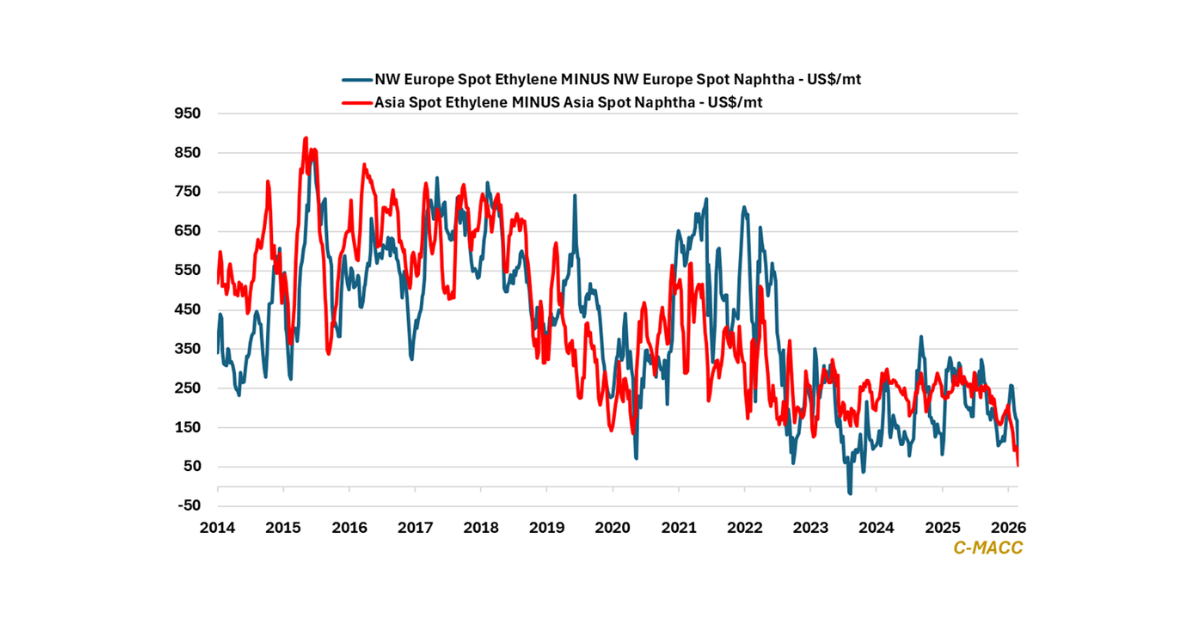
General Thoughts: Global energy shocks, narrowing sanctioned crude oil discounts, and persistent olefin oversupply converge to lift marginal costs, accelerate restructuring, and benefit gas-advantaged producers.
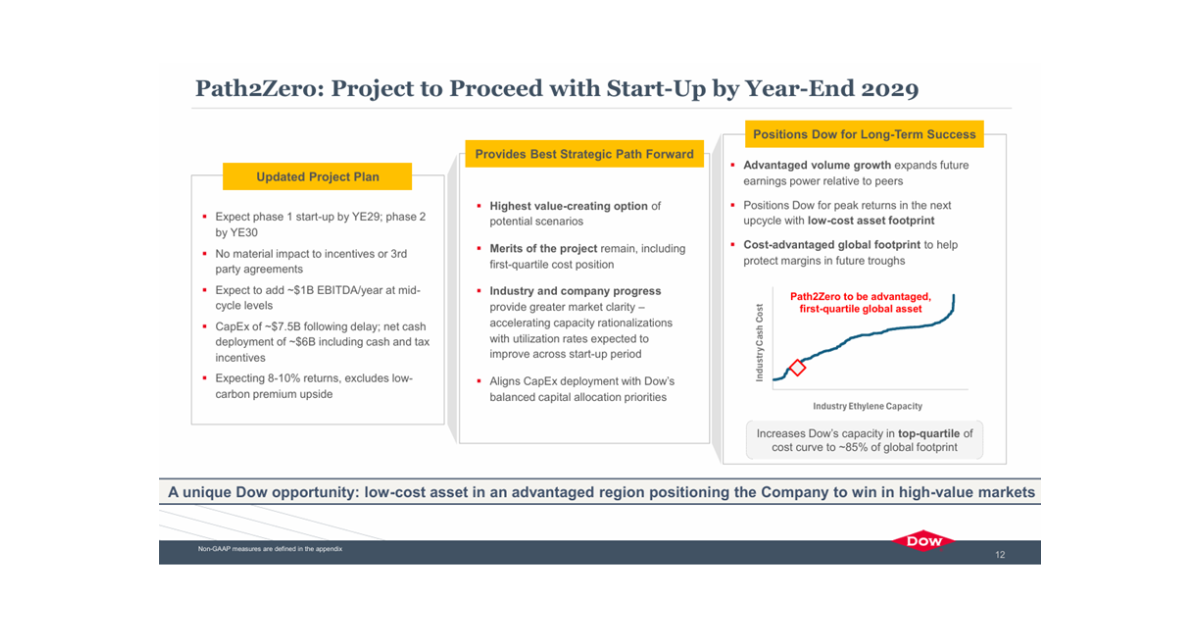
General Thoughts: Global chemical restructuring optimizes footprints, shrinks effective supply, and embeds optionality, positioning low-cost, low-carbon assets like Dow’s Path2Zero to lift returns in the
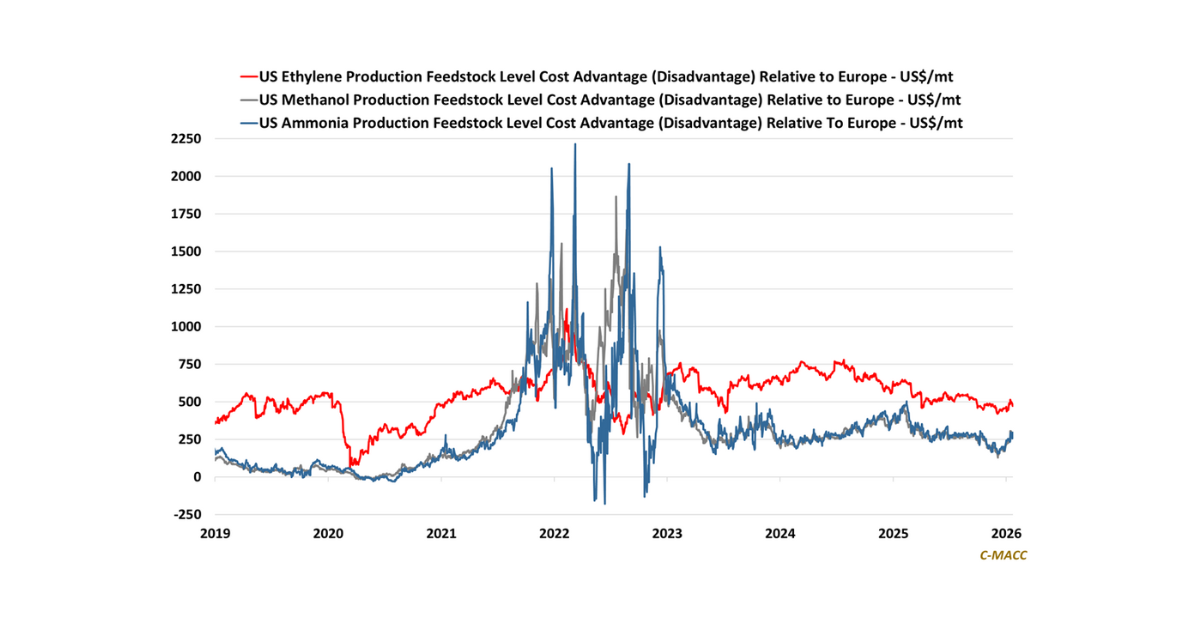
General Thoughts: Weather-driven global natural gas inflation supports higher chemical prices despite relative cost positions holding, with chemical margins compressing absent structural supply cuts.
Supply

China’s slowing consumption and persistently low relative price inflation push excess supply outward, reviving export-led clearing and intensifying global price competition as logistics increasingly normalize
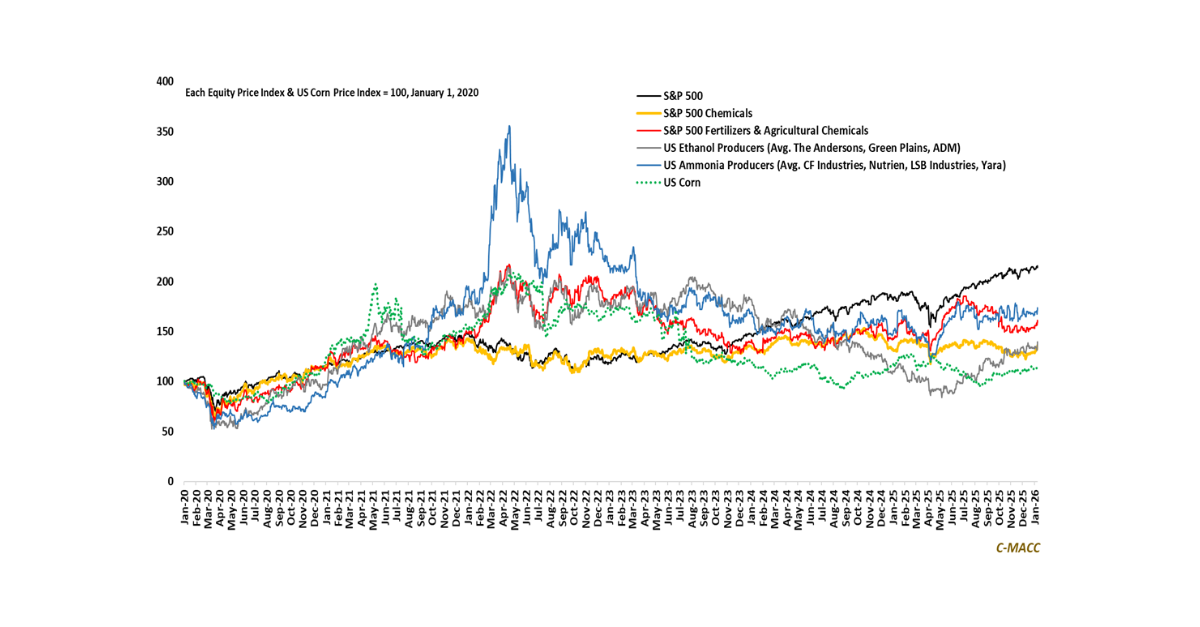
The fundamental health of the global ammonia market increasingly hinges on logistics, reliability, and timing constraints, making basis risk and seasonal timing more decisive than
