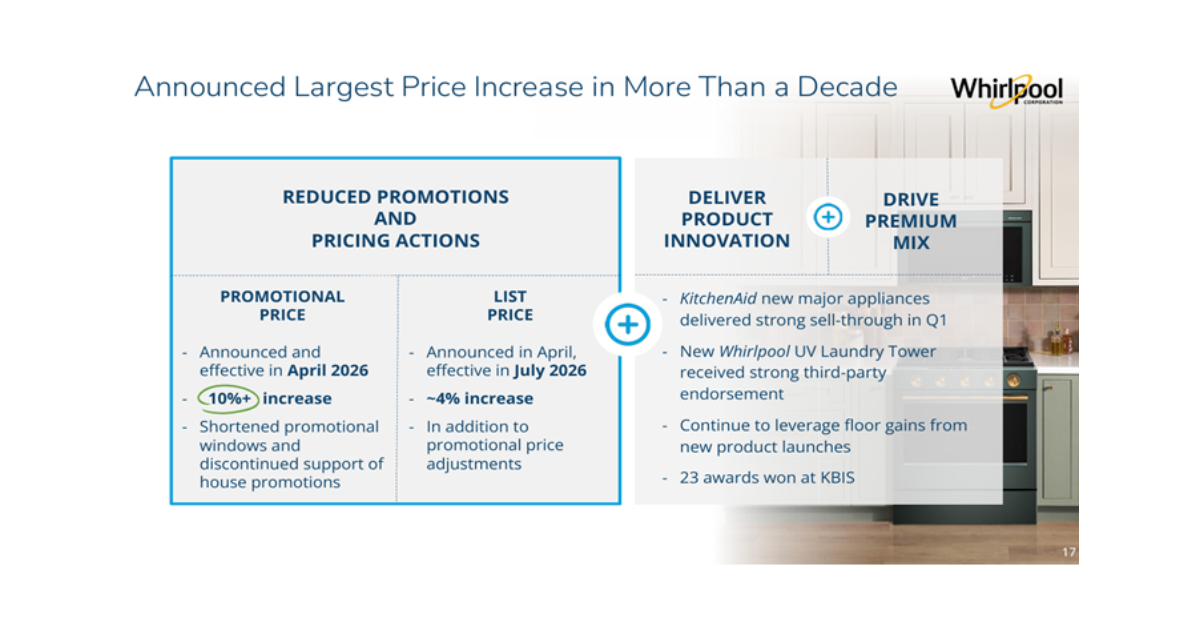
Affordability constraints increasingly determine pricing durability as manufacturers defend margins through promotions, inventory timing, and customer prioritization rather than demand growth.
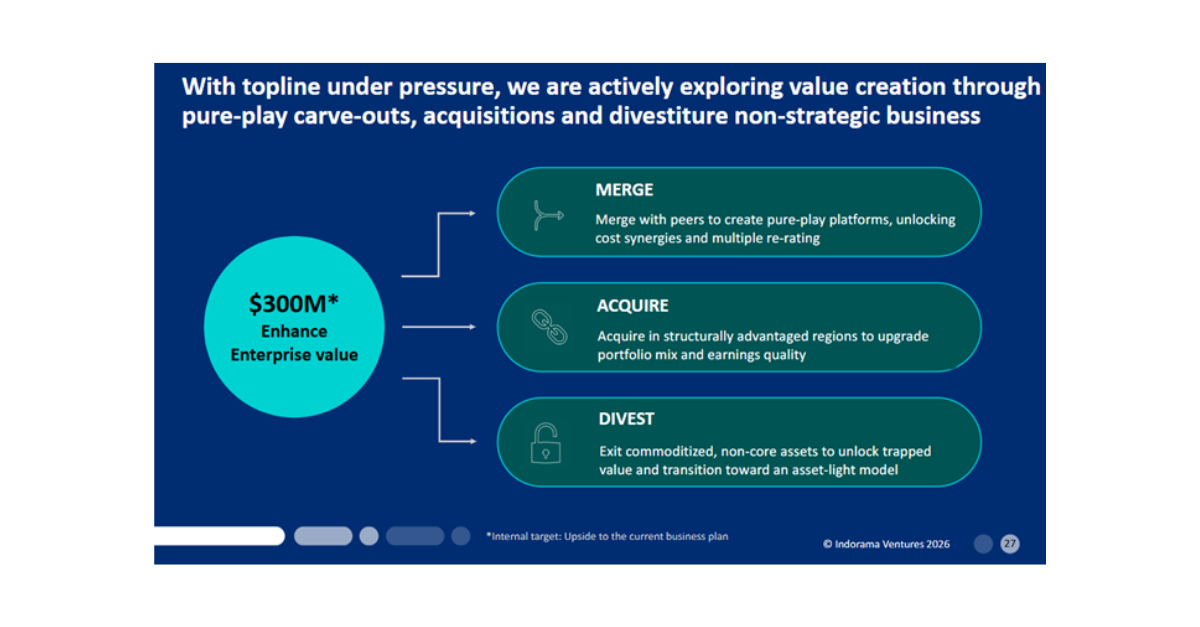
General Thoughts: Feedstock volatility, still weak demand, and supply chain stress accelerate global chemical restructuring as companies actively reshape portfolios to improve long-term risk-adjusted returns.
Procurement-led synergy engines, not scale alone, are increasingly becoming the primary determinant of industrial competitiveness in a high-cost-capital, low-growth world increasingly defined by structural volatility.
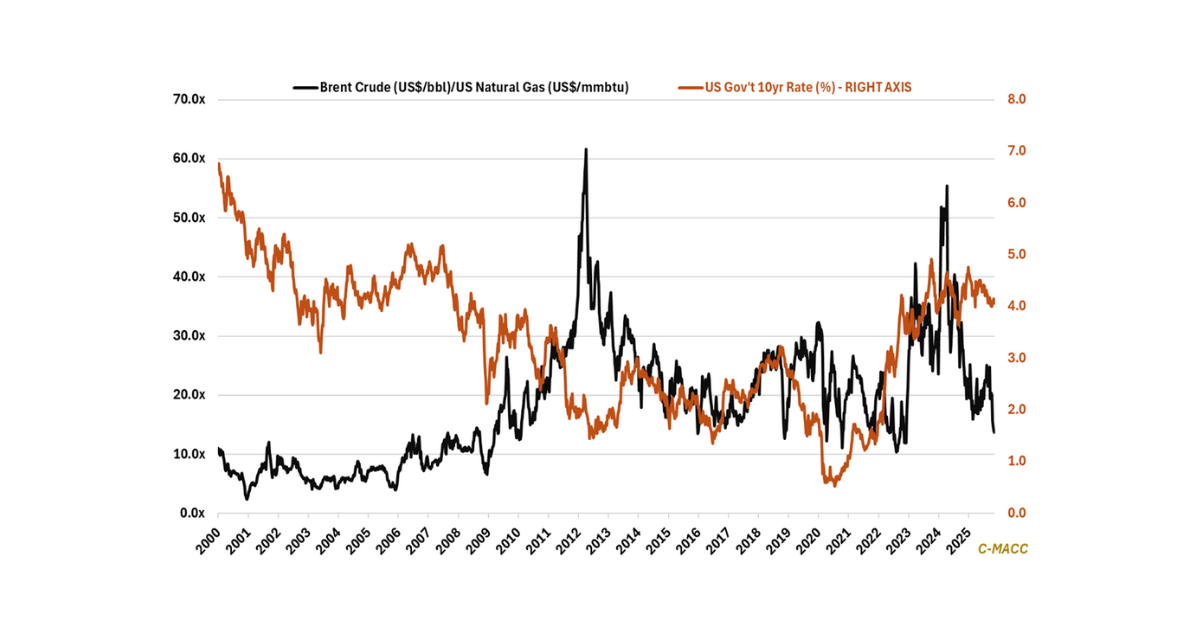
General Thoughts: Stabilizing US housing indicators point toward a coordinated 2026 demand inflection, as rate relief, resilient household financials, and rising equity reposition the sector
Liquidity precision replaces scale as the ultimate competitive edge in commodity chemicals, transforming balance sheets from static safeguards into dynamic, return-focused engines of enduring strategic
General Thoughts: Amcor’s architecture transforms circularity into competitive capital, collapsing the distance between chemistry and consumer, where spec ownership now defines enduring industrial profitability and
General Thoughts: Arkansas turns geology into policy-driven advantage as regulatory certainty, DOE coordination, and logistics position the Smackover as the US prototype for integrated, financeable
General Thoughts: Pack Expo spotlights resin-converter-brand collaboration, turning concepts into audited packaging solutions and securing access, pricing power, and specification lock-in across global customer portfolios.
2025 increasingly appears to mark the cyclical and structural bottom in construction materials, as collapsing completions and tightening inventories set the stage for affordability-driven recovery
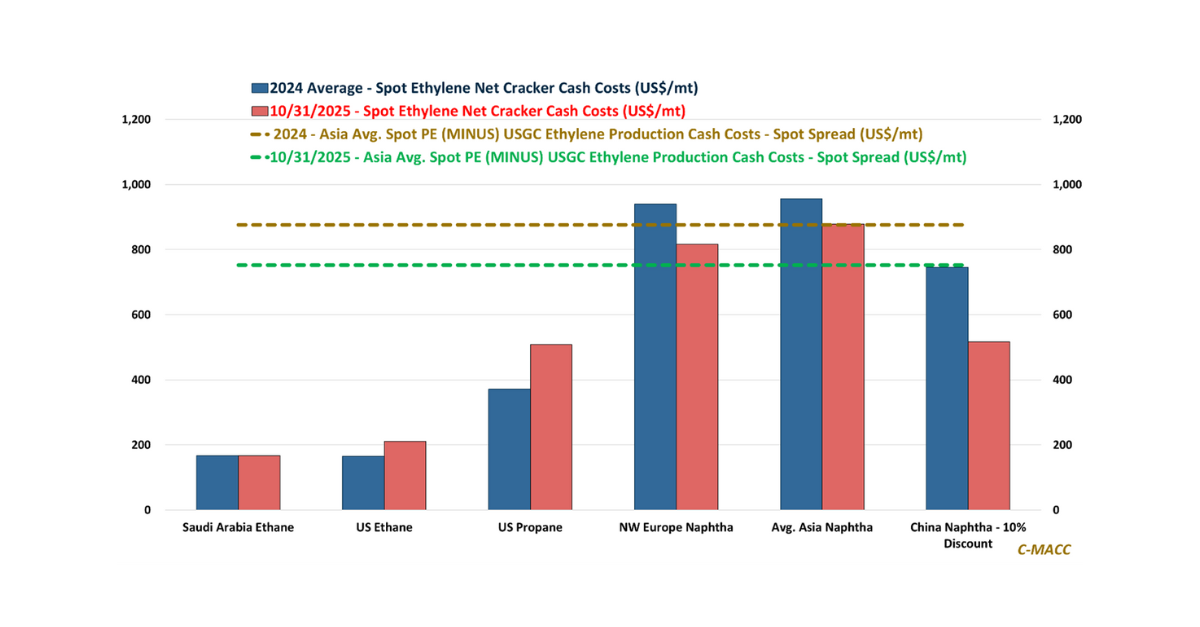
Europe’s industrial decline isn’t cyclical; it’s mostly structural, exposing a continent caught between global cost realities and domestic policy fragmentation, with competitiveness eroding faster than