Sunday Executive Summary
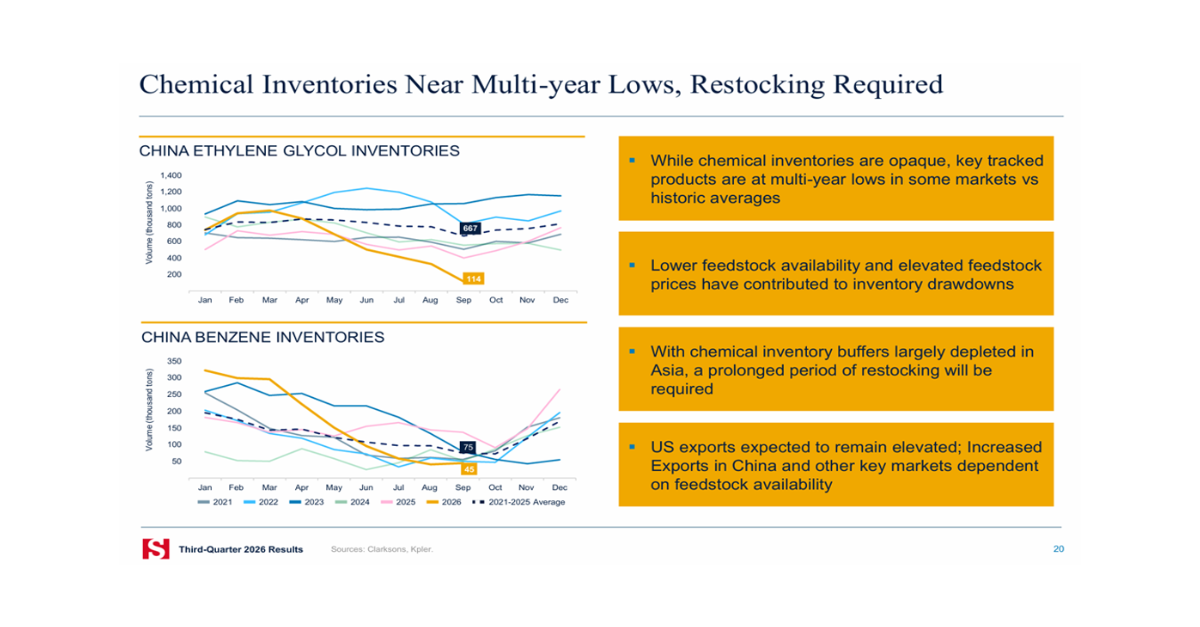
Depleted stocks invite replacement buying, but reliable deliveries can reduce required inventory buffers, limiting the replenishment opportunity before customers restore historical stocks or boost consumption.

Depleted stocks invite replacement buying, but reliable deliveries can reduce required inventory buffers, limiting the replenishment opportunity before customers restore historical stocks or boost consumption.
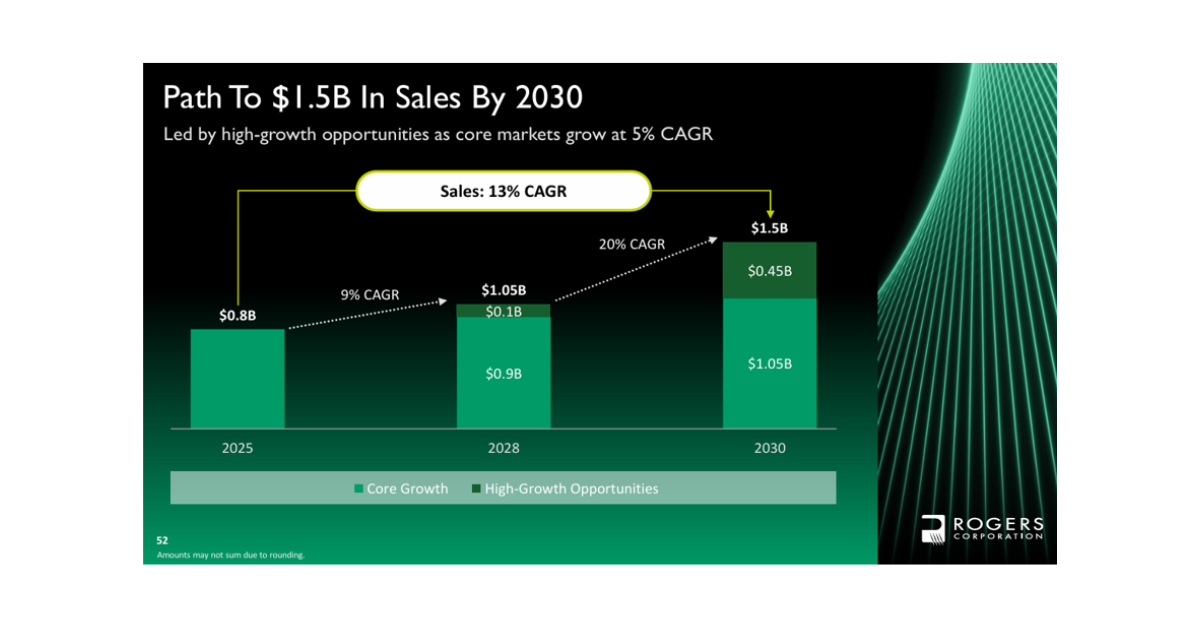
Growth can raise supplier earnings through richer specifications and captured orders, making incremental material purchases more useful than equipment budgets when forecasting chemical utilization.
Availability
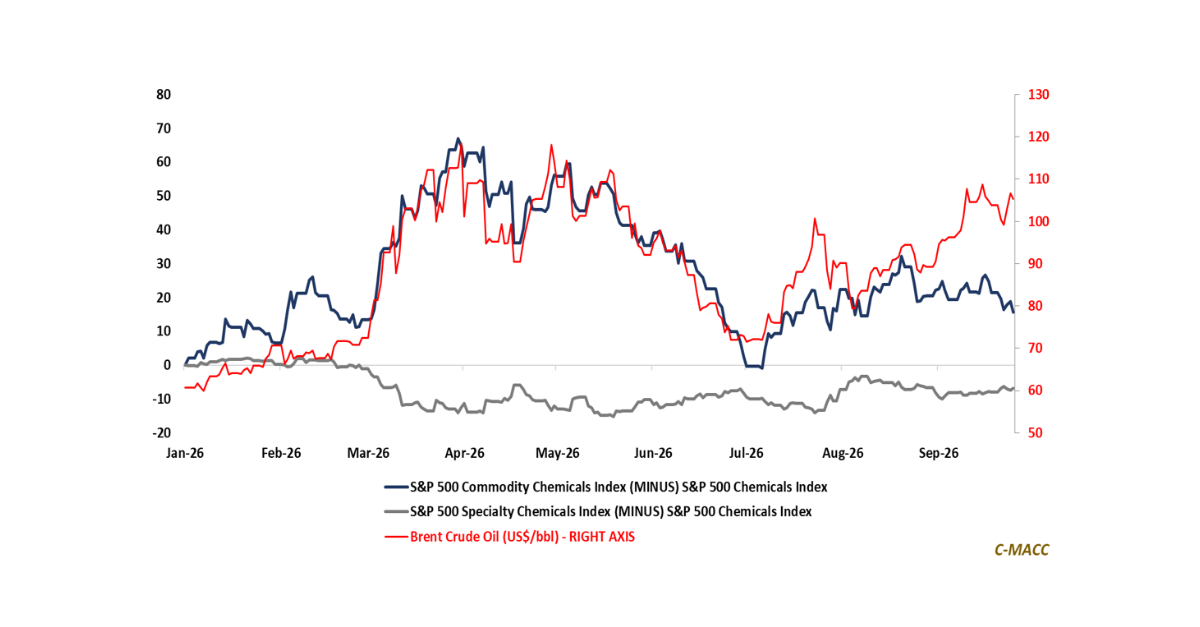
Commodity chemical shares retain their lead as selected resin grades tighten, but delayed cargoes can lift prices before producers permanently reduce the capacity available to
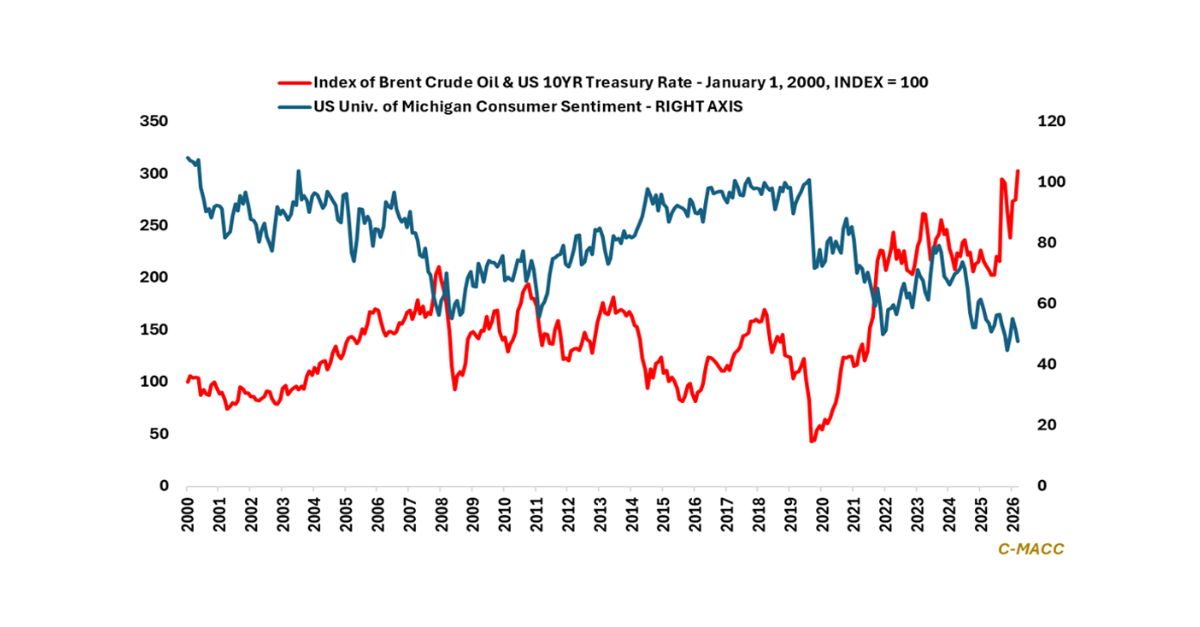
Chemical capital is separating by model, with integrated producers funding hard-to-replicate advantages and customer-facing businesses demanding clearer economics before growth spending.
Dow’s collaboration with Amcor
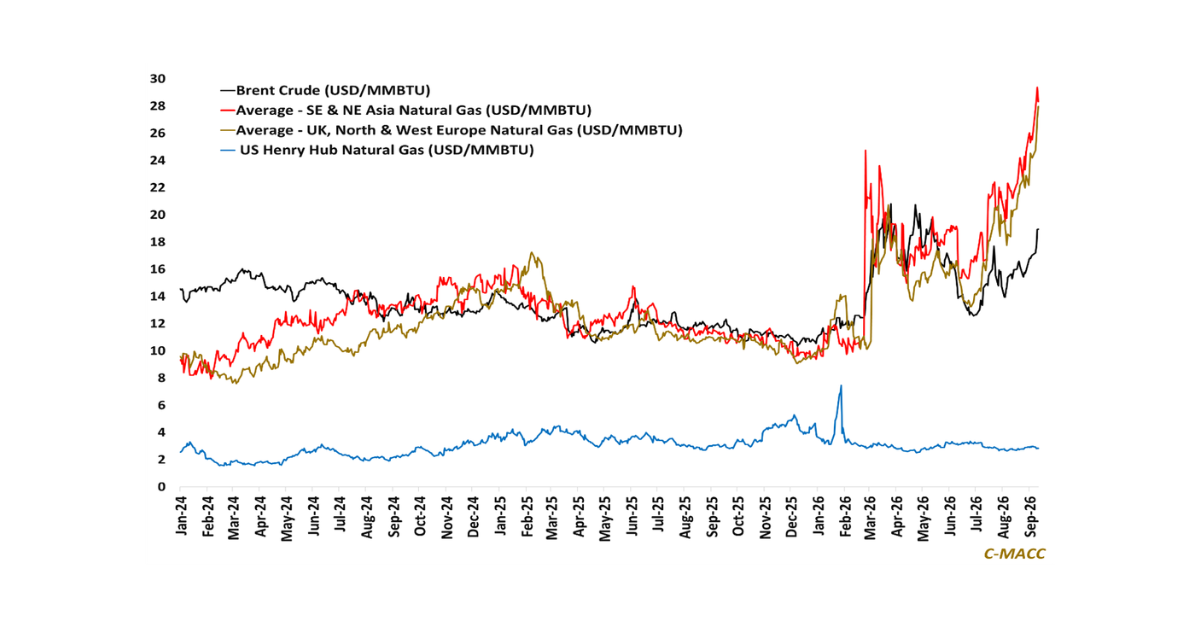
Global chemical restructuring is broad, but Europe presents a different test, as trade defenses may support producer economics before the regional asset base fully adjusts.
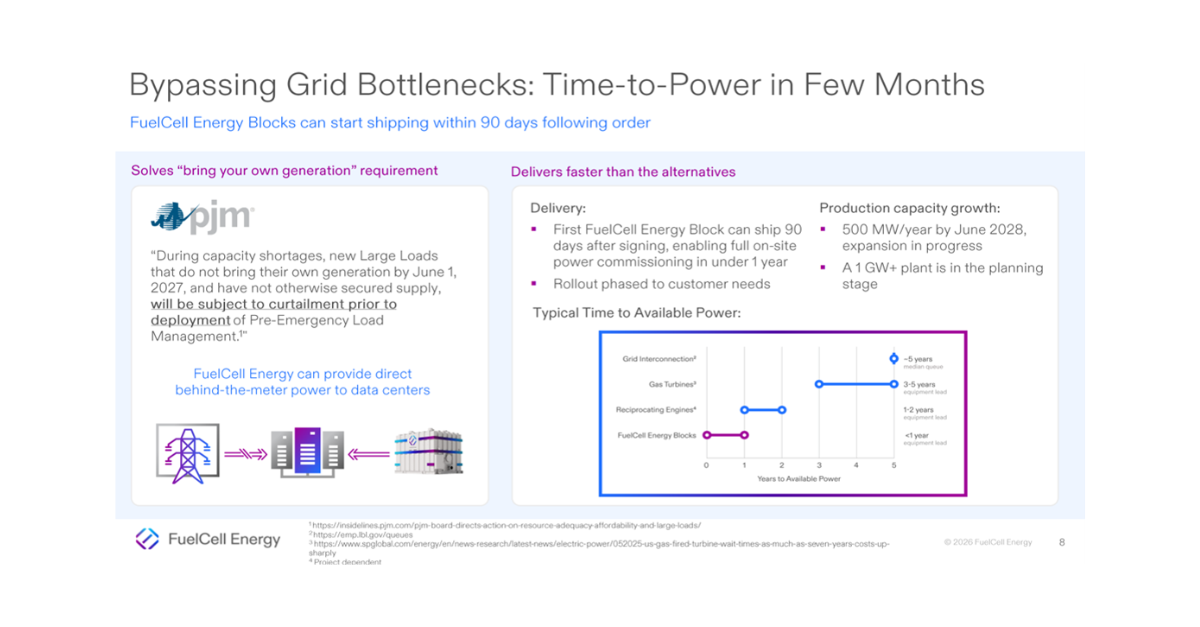
Industrial progress increasingly depends on identifying the right constraint, measuring it accurately, and applying technology where better information can improve operating and capital decisions.
FuelCell
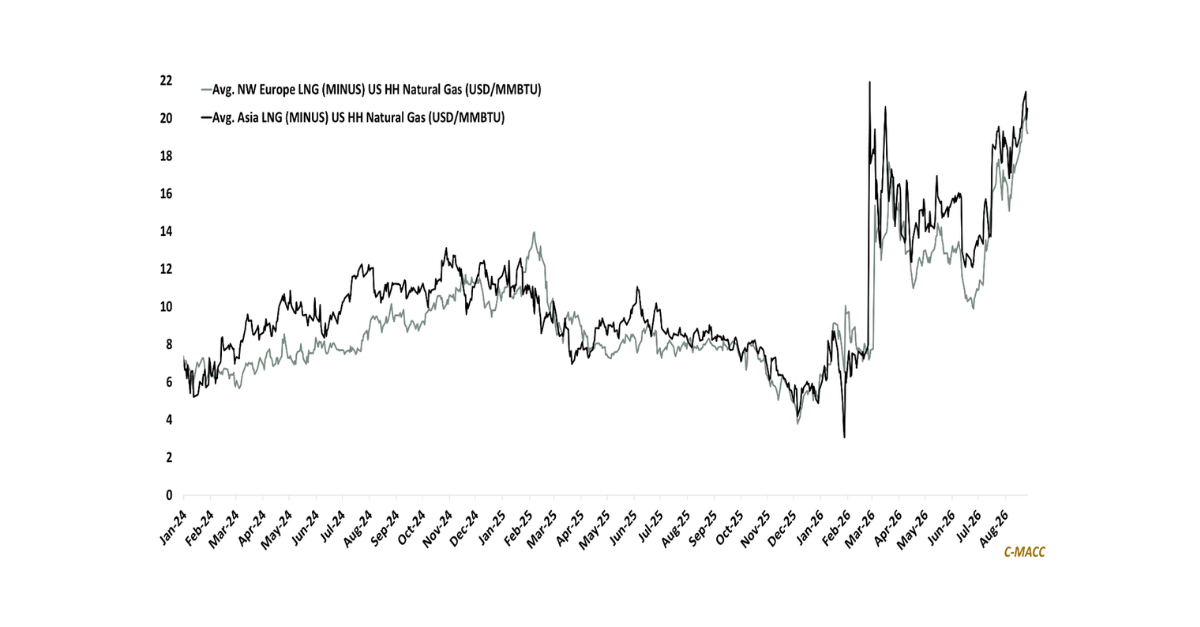
Industrial capital is clustering around power and energy infrastructure, leaving chemical producers to improve returns from existing assets as excess capacity keeps global expansion spending
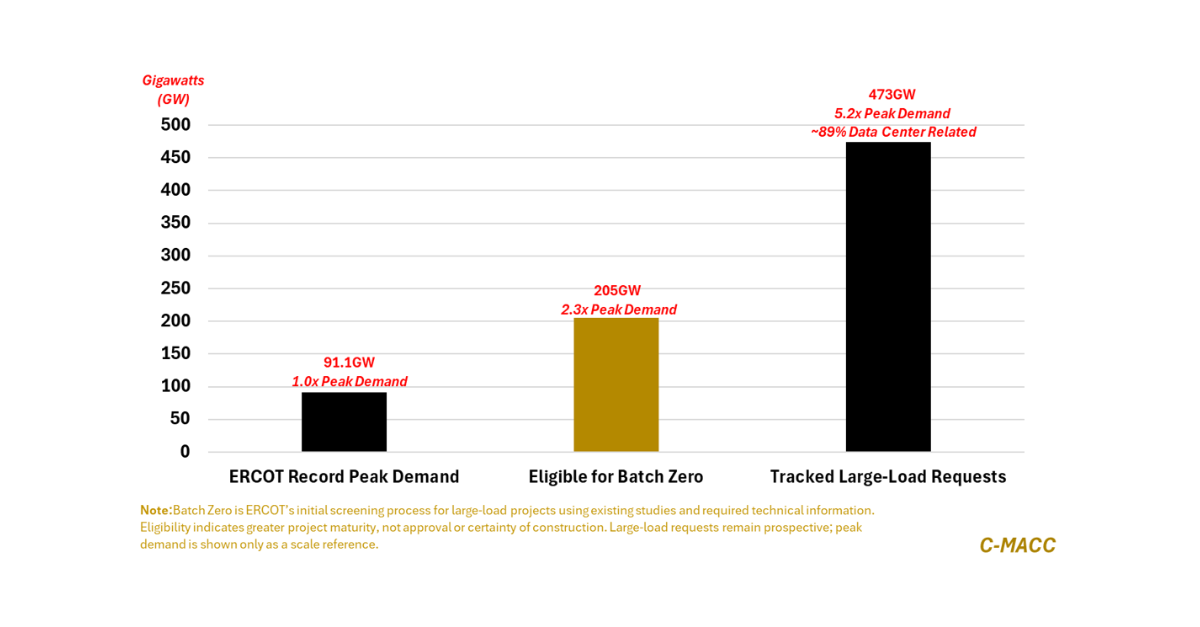
Texas is forcing data center demand through a credibility test, showing why project maturity, customer commitments, power access, and progress deserve more weight than headline
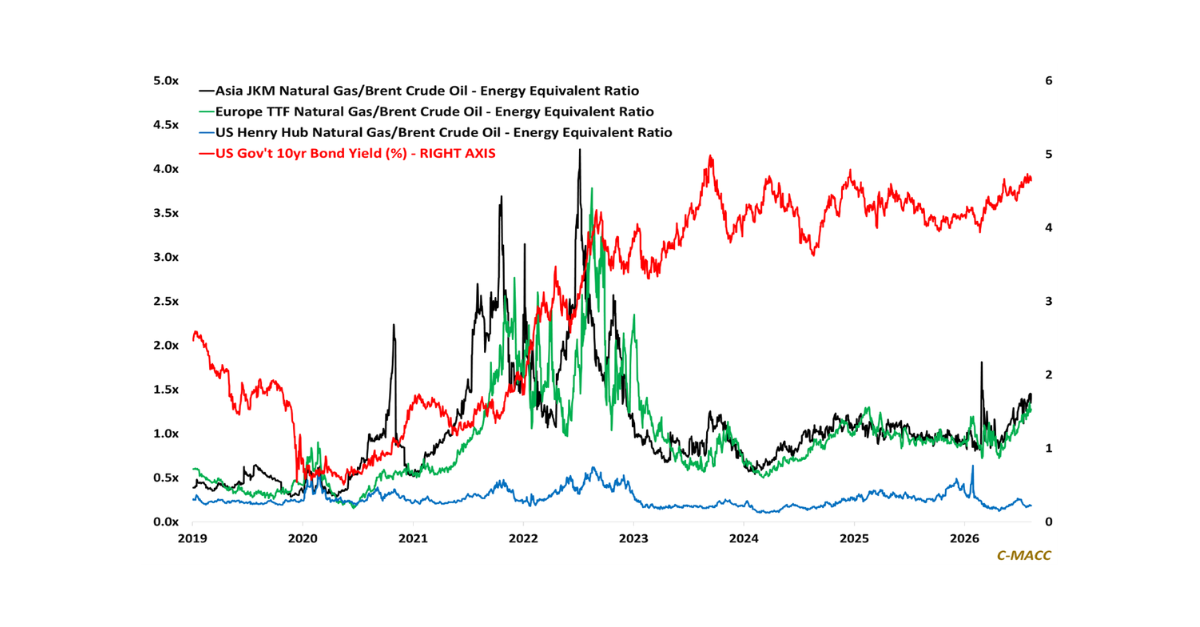
Growth capital is separating current operating economics from durable expansion returns, favoring projects that remain attractive when the conditions supporting today’s results change materially.
RWE
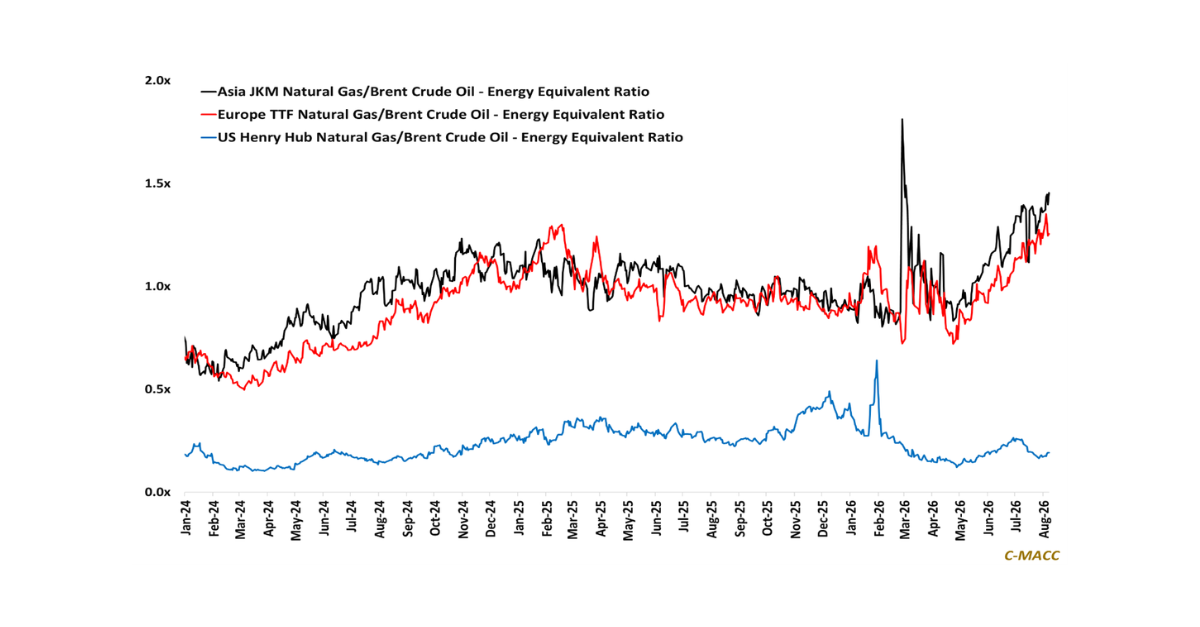
Crude oil can regain physical flexibility faster than LNG, allowing international gas premiums and selected North American feedstock advantages to persist even as headline energy
