Base Chemical Global Analysis
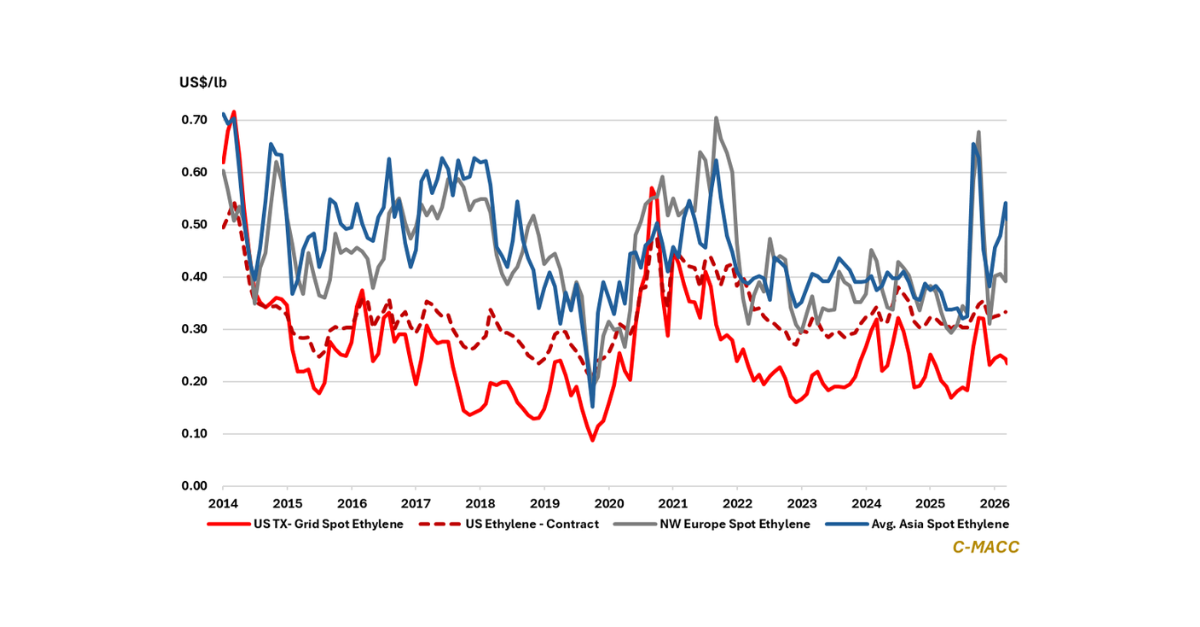
General Thoughts: European and Asian chemical producers buying feedstocks risk output cuts as limited pricing power constrains recovery of input costs elevated by continued Middle

General Thoughts: European and Asian chemical producers buying feedstocks risk output cuts as limited pricing power constrains recovery of input costs elevated by continued Middle
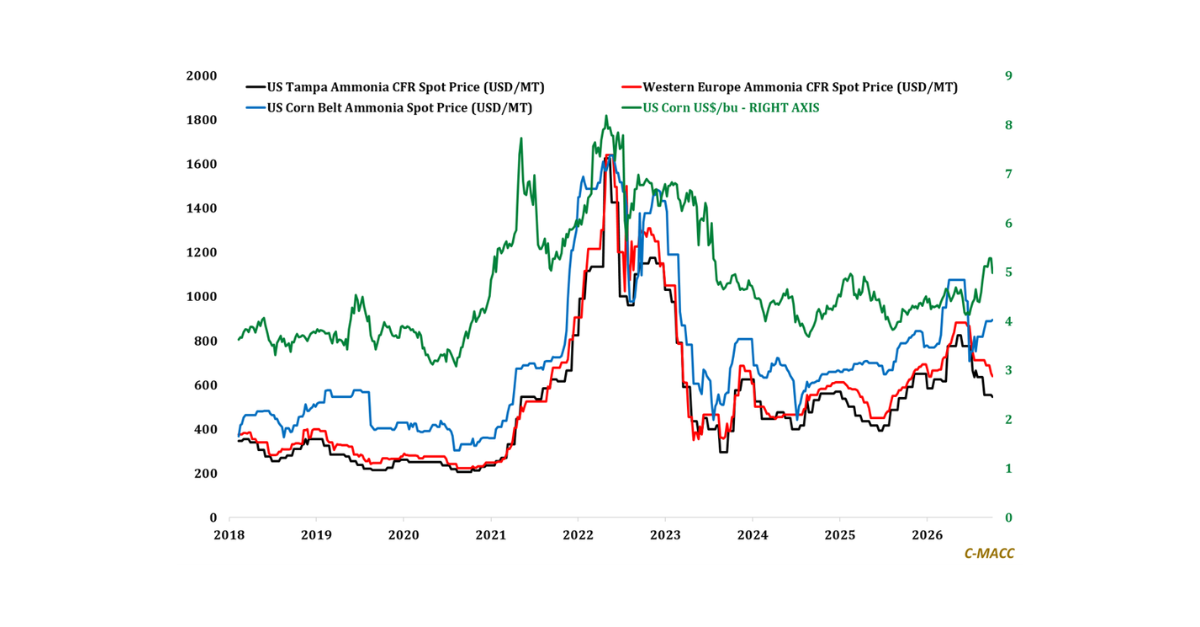
General Thoughts: Returning supply can cut sellers’ prices before buyers secure cheaper deliveries, so stronger trade may reflect supply rerouting rather than demand growth or
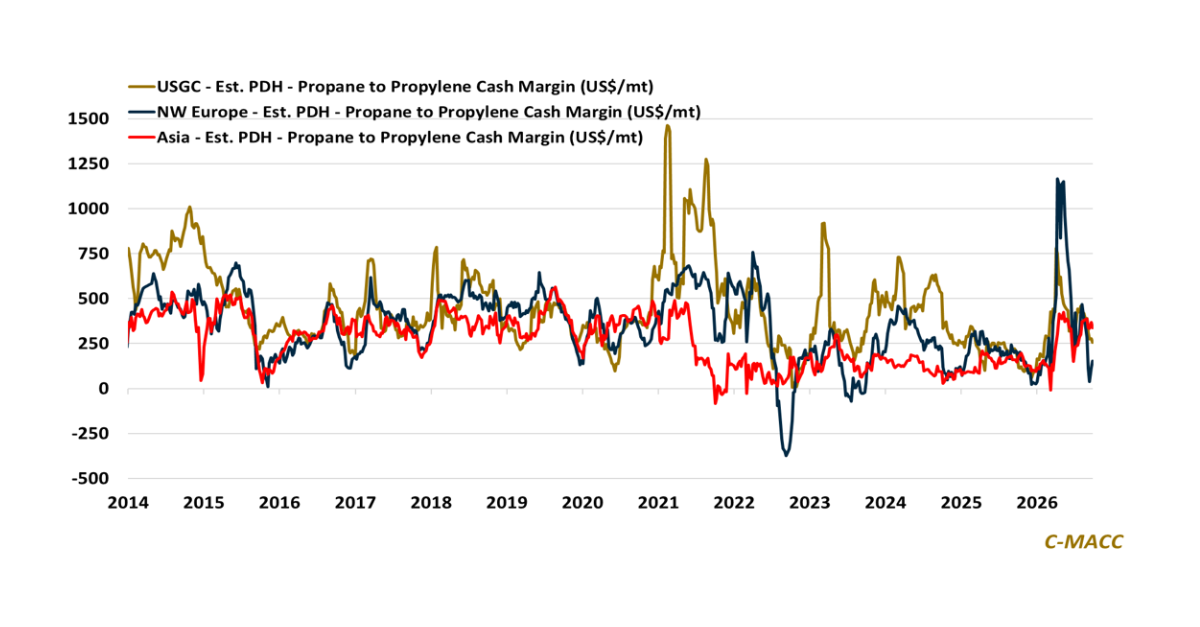
General Thoughts: Regional advantage changes with the process and the buyer; rising propane and weaker PGP have put modeled US PDH margins below Asia, even
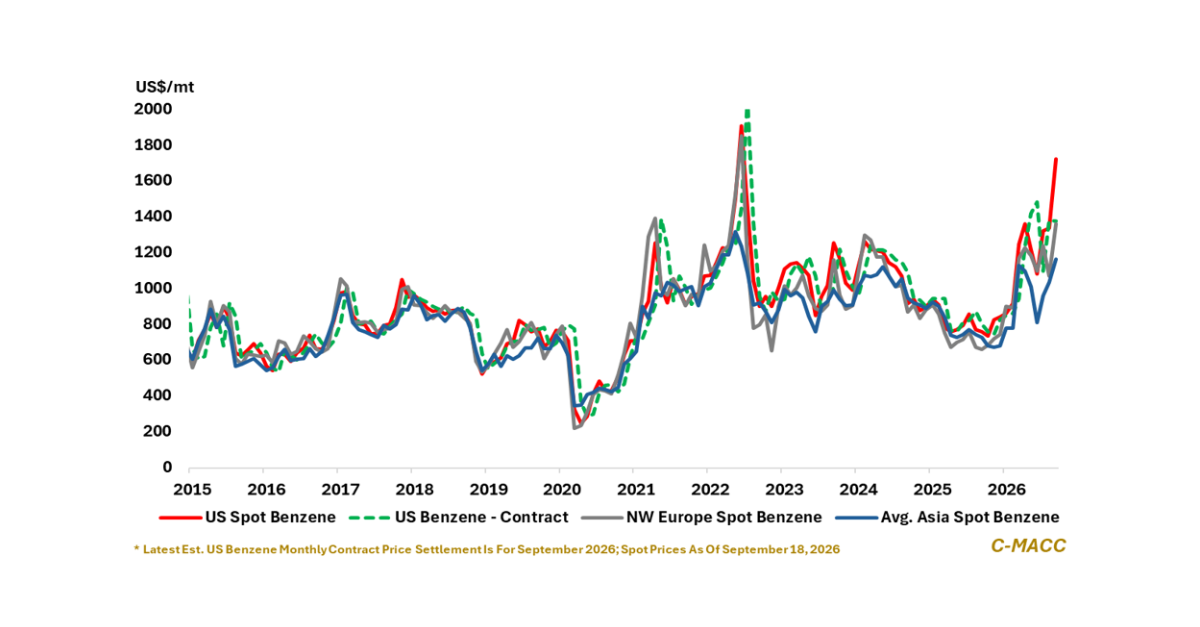
General Thoughts: Softer crude and weak demand could encourage downstream customers to seek discounts before intermediate costs ease, leaving merchant producers to absorb the difference
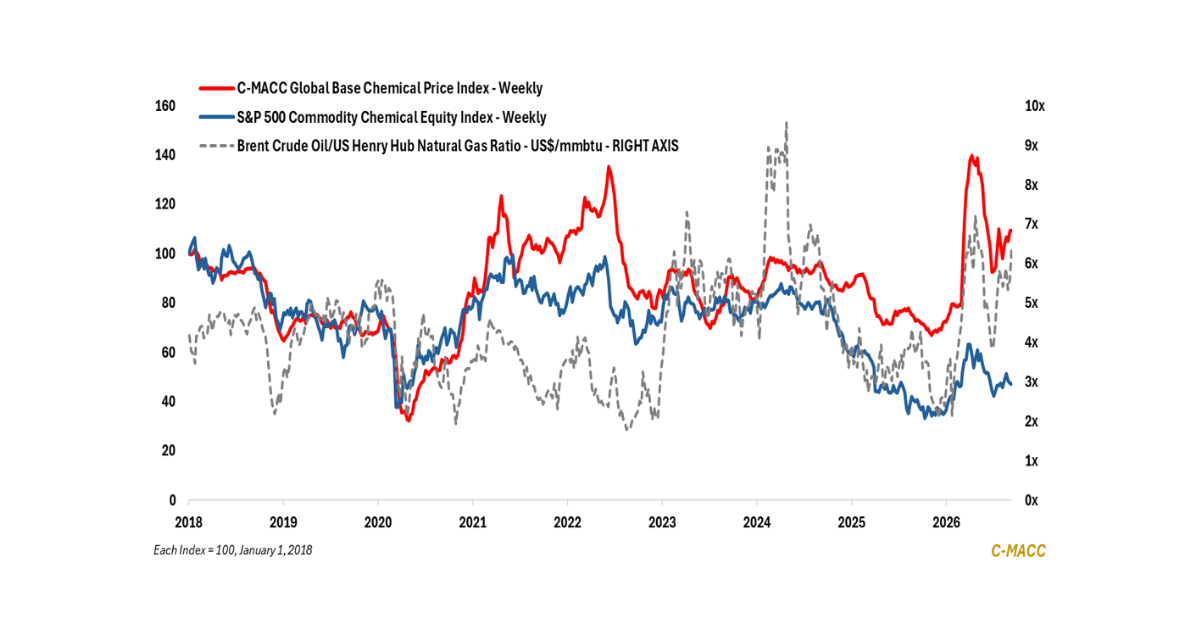
General Thoughts: The current global energy shock is widening operating freedom across the value chain, allowing advantaged producers to stay active while weaker assets face
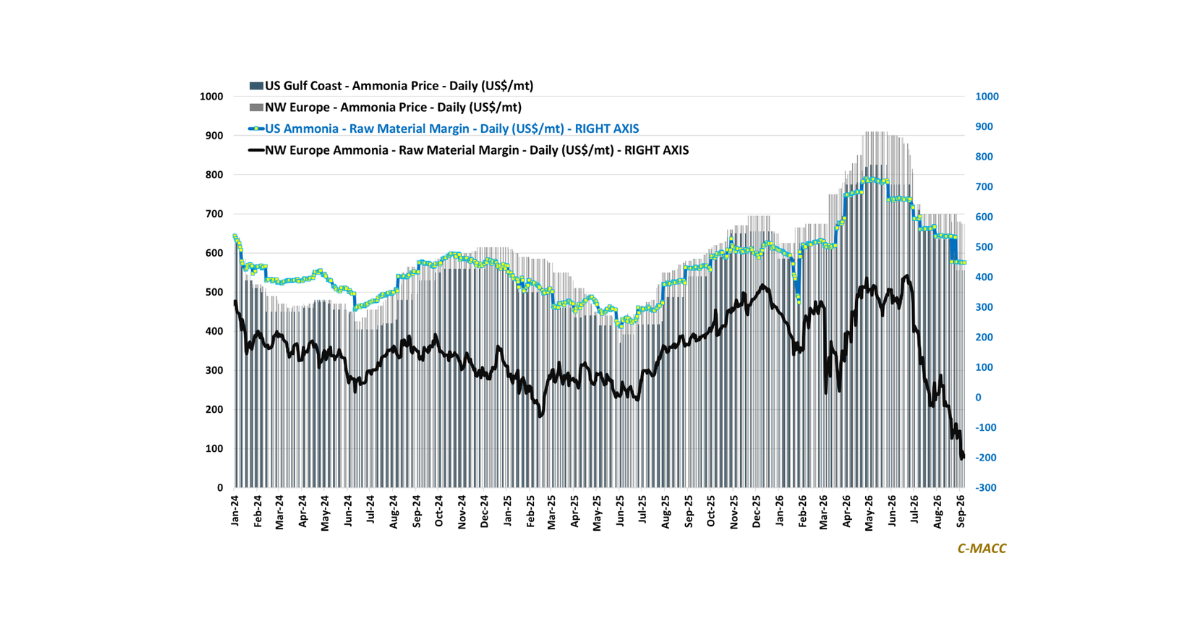
General Thoughts: Market disruptions are widening profit gaps across regions, making cost position and operating flexibility more important as companies decide where to put their
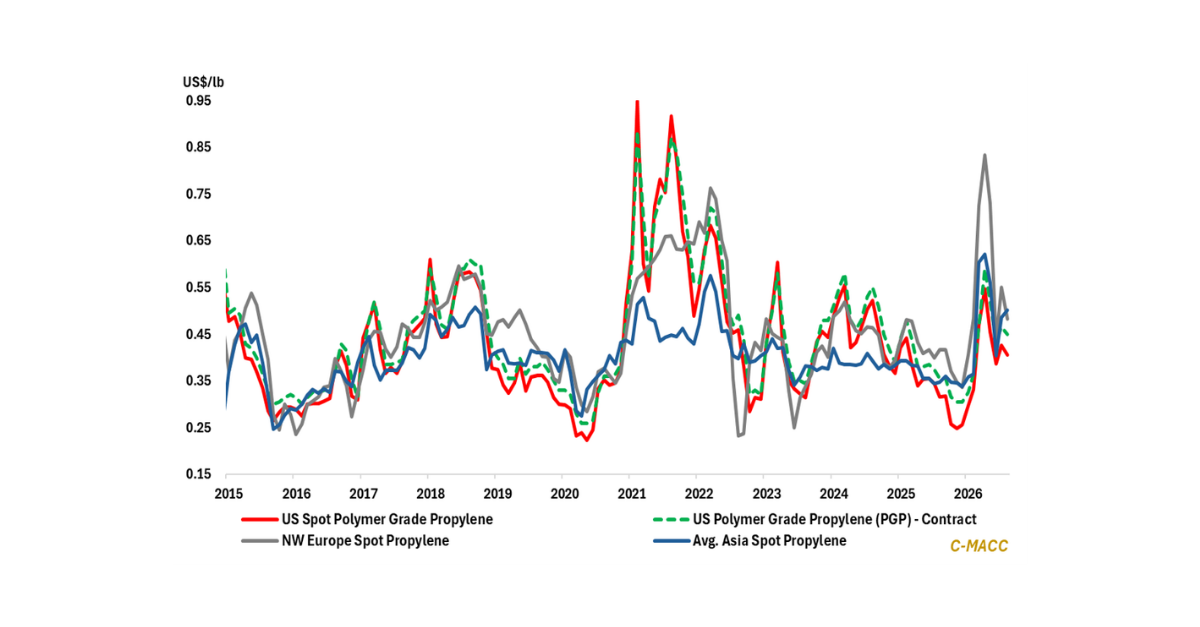
General Thoughts: Across chemical markets, advantaged assets are capturing more value without gaining broad pricing power, keeping capital focused on existing capacity as localized supply
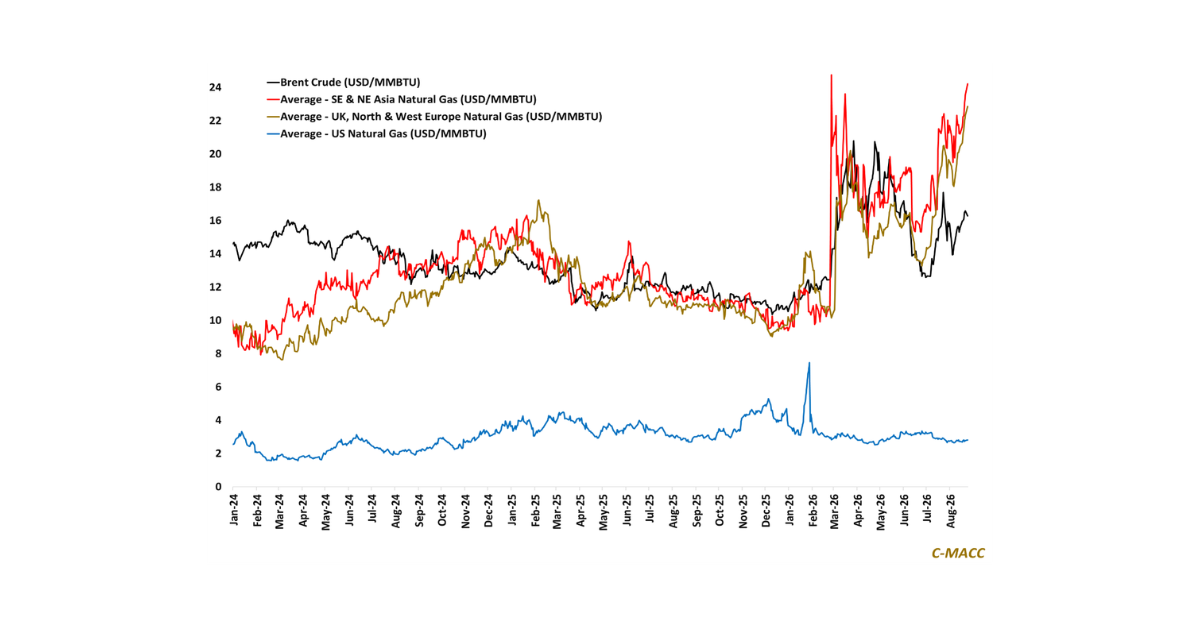
General Thoughts: Most attention remains on crude oil, but ex-US natural gas has made a more consequential move toward multi-year highs, widening regional cost gaps
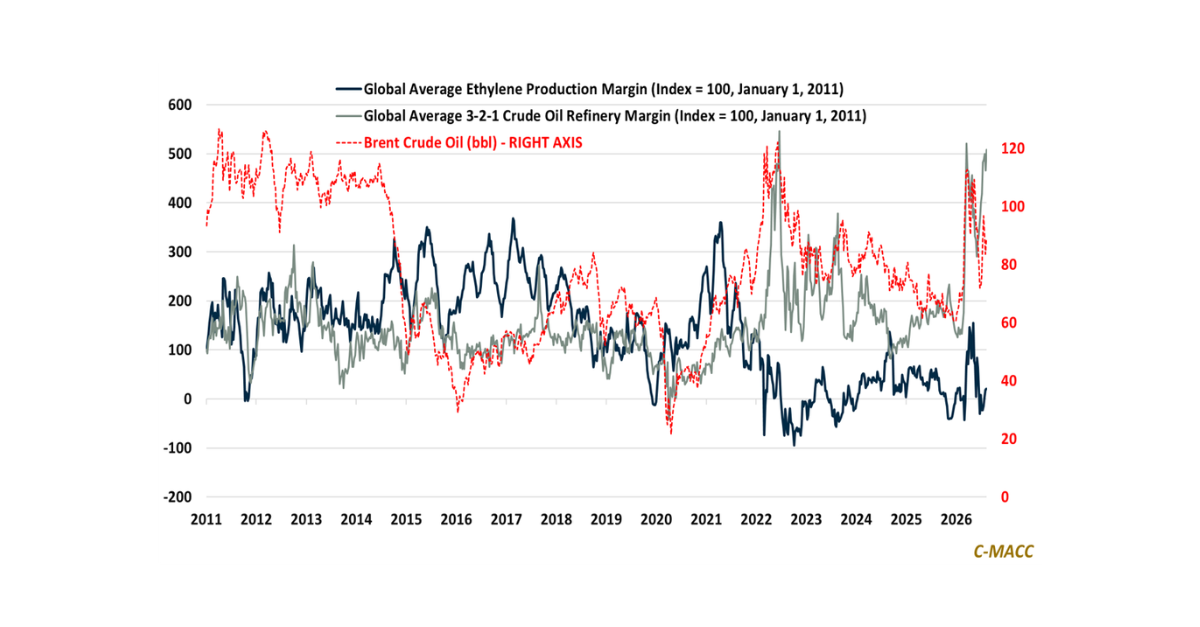
General Thoughts: Refiners are earning strong returns because fuel supply remains tight, but weak petrochemical demand keeps higher costs and outages from producing a broad
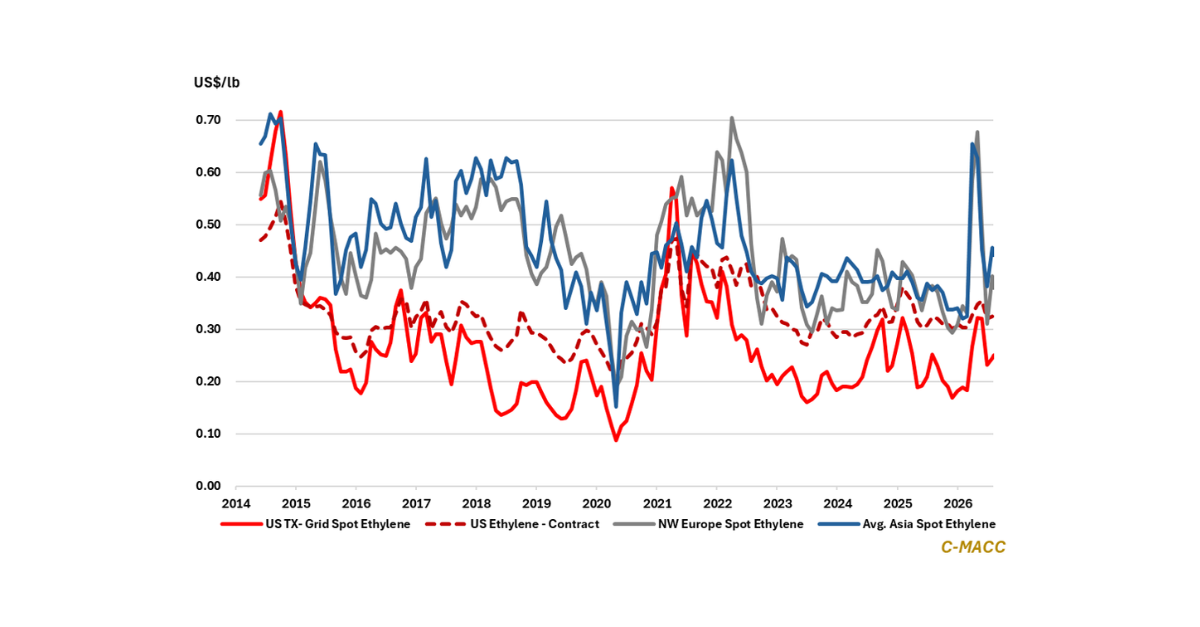
General Thoughts: Headline price relief is arriving faster than market balances are resetting, allowing competitive advantages to persist and making regional operating conditions more influential
