Sunday Executive Summary

A concise weekly briefing that ties it all together—highlighting the most important themes, shifts, and strategic insights across our research coverage.

Reports

Control Alt Delete: Contracts, Constraints, and the Rebooting of Industrial Returns

The Middle East conflict is forcing risk-priced decisions, where volatility and uncertainty directly alter capital allocation, contract durations, and required return thresholds across markets.

Buyers accelerate procurement under uncertainty, pulling forward physical demand while increasing inventory dislocation risk and distorting price signals across industrial, chemical, and energy markets.

Cost-cutting persists

Read More »

Gas, Gas, Maybe: Cheap Supply, Costly Access & The Premium on Delivery

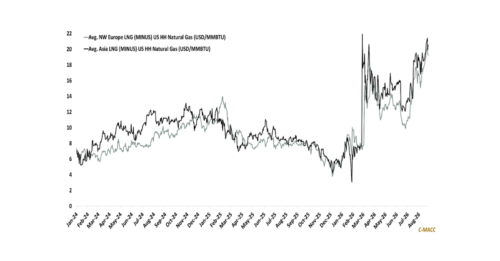
Natural gas markets are increasingly defined by infrastructure, access, and the ability to reliably convert production into delivered, monetizable demand across regional and global systems.

Strong demand growth does not fully lift prices, as regional bottlenecks, timing mismatches, and infrastructure delays limit efficient balance across interconnected global gas markets.

Value

Read More »

Factory Reset? China’s Prices Rise & Cheap Relief Leaves the Building

China’s 0.5% YoY factory-gate inflation in March removed a trusted global relief valve, forcing markets to underwrite firmer resin and intermediate floors, slower cost deflation, and less dependable trade relief.

Beijing’s refining and chemical restructuring is not a retreat but a directed reallocation toward advantaged assets, rewarding feedstock access, logistics

Read More »

What Shows Up Gets Paid: If You Can’t Deliver, You Don’t Compete

Critical minerals diverge as electrification costs fall structurally, confirming inputs are no longer the binding constraint and decisively shifting advantage toward systems that deliver reliable power.

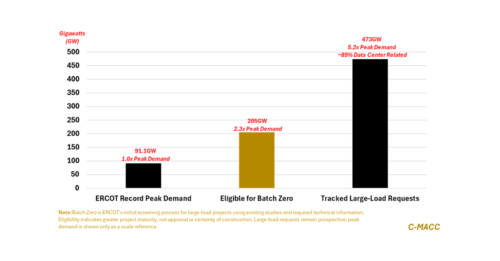
Power markets no longer clear on fuel economics, exposing how capacity, transmission, and timing determine pricing and leaving traditional cost-based strategies increasingly misaligned with

Read More »

The System Has Changed: Access Leads, Timing Decides

System constraints are compressing global corporate decision cycles, forcing capital into platforms that secure inputs, logistics, and execution simultaneously rather than optimizing sequentially across markets.

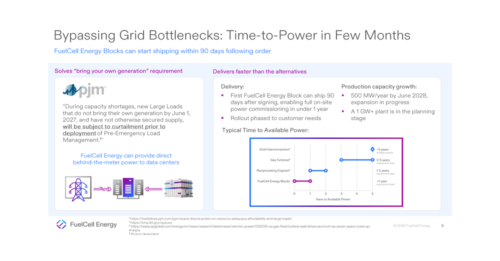
Power access delays impact project viability, pushing investment toward flexible, self-supplied systems that align timing, availability, and execution across increasingly competitive infrastructure environments.

Return durability

Read More »

System Design Now Determines Chemical Advantage

Dependable operations now define competitive advantage, with non-integrated assets losing ground as fragility disrupts throughput, raises risk, and weakens returns under stress.

Oil-linked feedstock systems import persistent volatility into cost structures, shifting advantage toward integrated energy architectures that absorb shocks across power, natural gas, and logistics.

Capital shifts away from

Read More »

Propane Hits the Fan: Feedstock Shock Resets Propylene

Asia and Europe now pay a structural propane premium as Middle East disruption risk lifts import costs, compressing PDH production margins abroad and reinforcing North America’s LPG feedstock advantage.

Expanding North American LPG export infrastructure is reshaping global trade flows as logistics depth and feedstock security increasingly determine petrochemical competitiveness

Read More »

Cheap Gas, Tight Capital: Petrochemical Expansion Remains Selective

Surging crude prices and widening feedstock spreads are steepening the global petrochemical cost curve. Cheap regional gas and NGLs may support selective integration, but not a broad new build cycle.

US ethane supply continues rising rapidly, yet global ethylene operating rates near the low-80% range still signal structural overcapacity and

Read More »

Crude Awakening: Carbon Bites, Crackers Blink, and Europe Gets Capital-Selective

Europe’s chemical sector return outlook now hinges far less on cyclical recovery and far more on feedstock structure, carbon exposure, and policy-backed demand durability amid heightened geopolitical volatility.

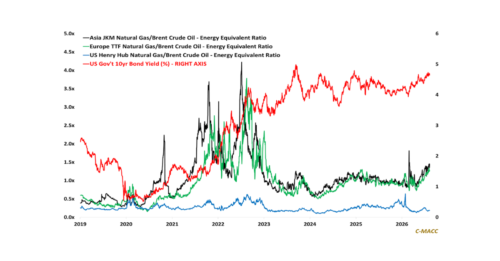
The sharp escalation in tensions in the Middle East introduces asymmetric upside risk to crude and LNG prices, disproportionately compressing Europe’s naphtha-heavy,

Read More »