Sustainability & Energy Transition
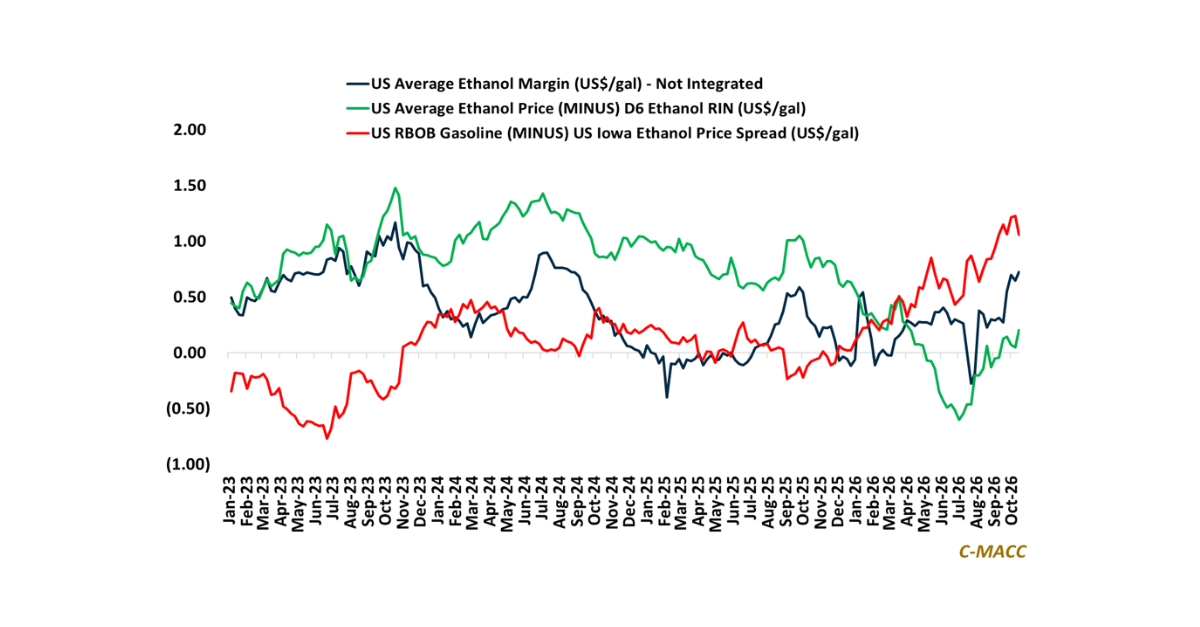
1st Topic of the Week: Ethanol’s rebound could support nitrogen volumes without restoring pricing power, as fuel credits shift competition toward documented crop performance and

1st Topic of the Week: Ethanol’s rebound could support nitrogen volumes without restoring pricing power, as fuel credits shift competition toward documented crop performance and
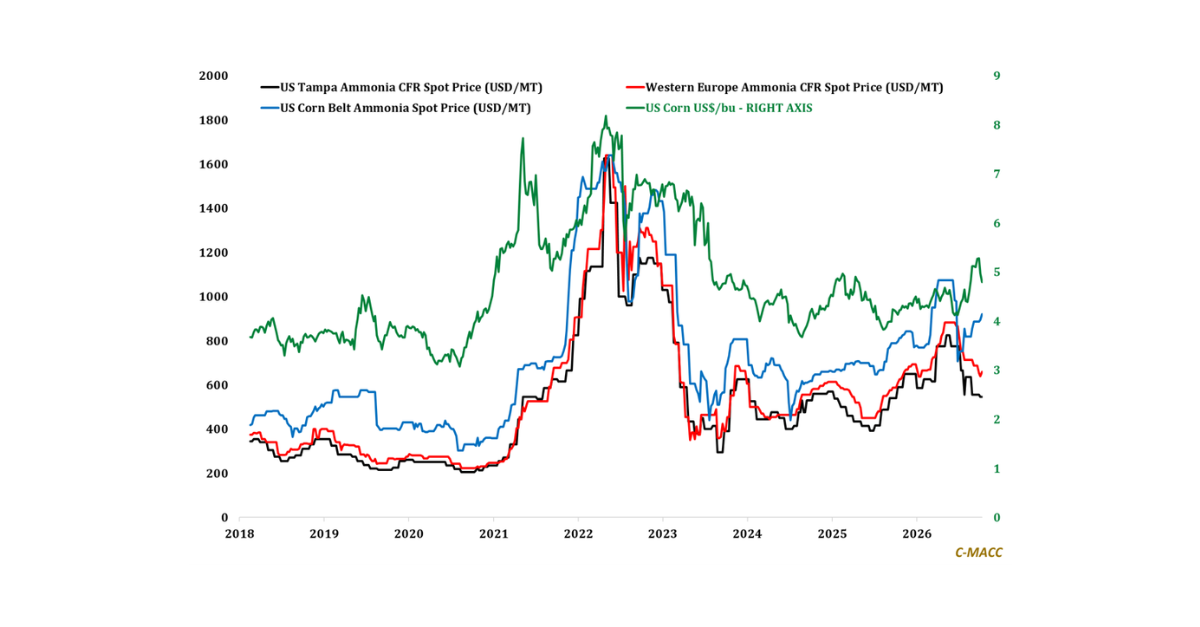
General Thoughts: Wartime spreads can flatter expansion economics when disrupted trade supports regional premiums that proposed projects cannot assume will persist throughout their operating lives.
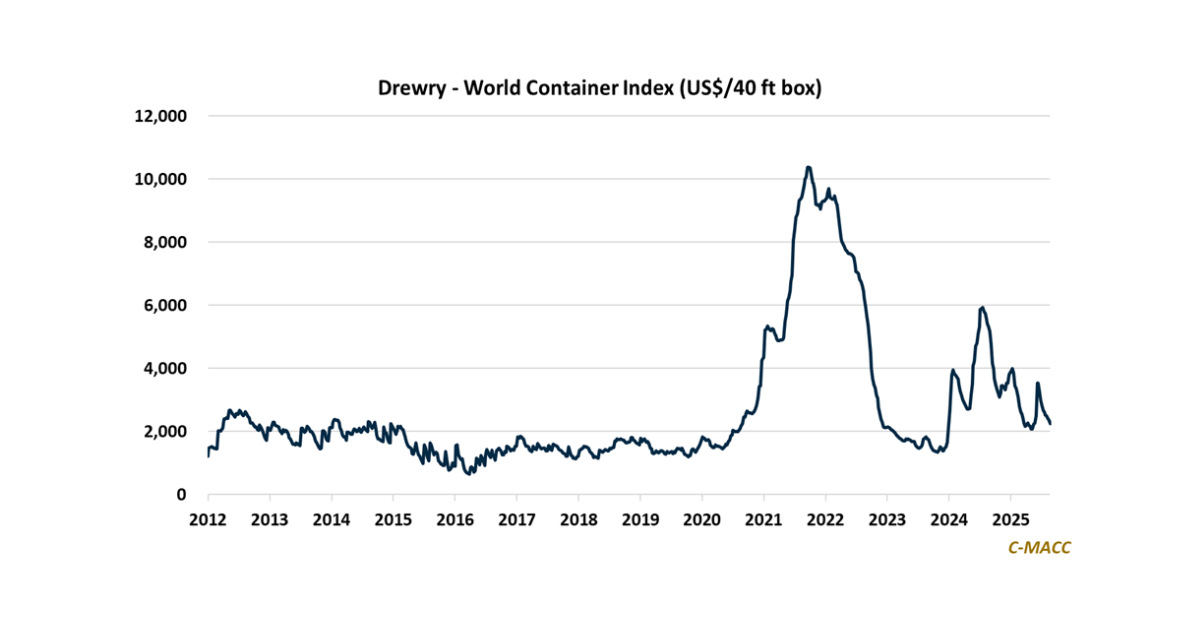
Global resin trade is fragmenting under tariffs, compliance costs, and asymmetric capacity additions, making “domestic-first” logic obsolete and exposing leaders without international scope to lasting
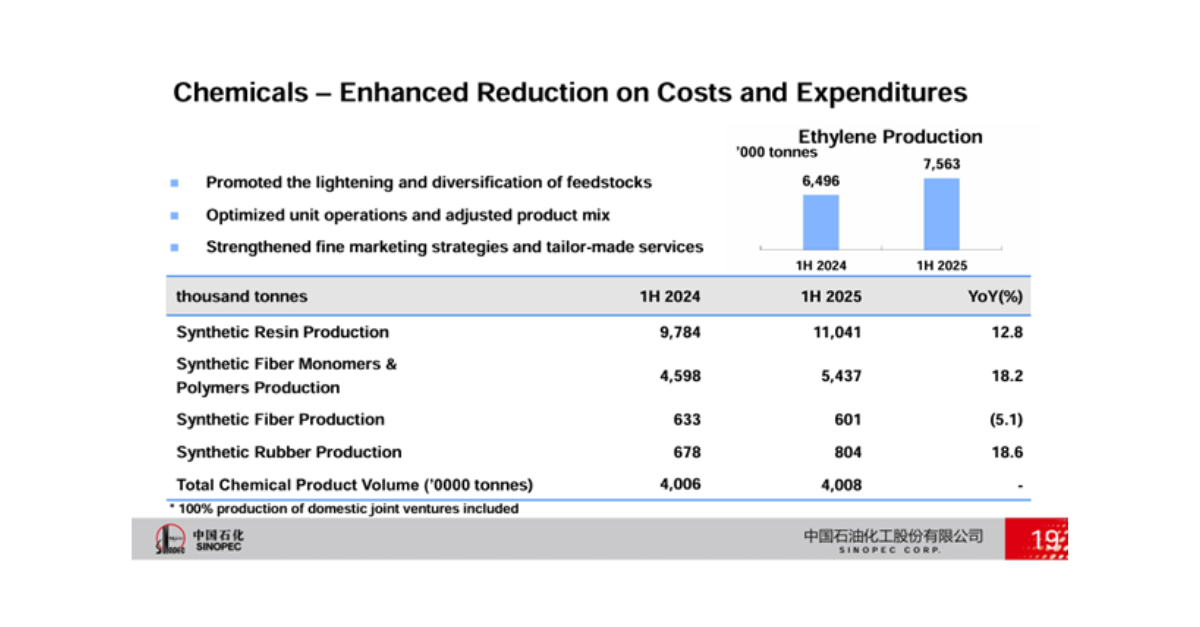
General Thoughts: State-backed expansion, protectionist trade shifts, and counter-cyclical consolidation are redefining chemicals, rewarding scale, optionality, and resilience over near-term profits or pure cost leadership.

General Thoughts: When everyone’s focused on scale and sentiment, strategic reinvention often gets overlooked, yet it’s these under-the-radar shifts that tend to compound, endure, and
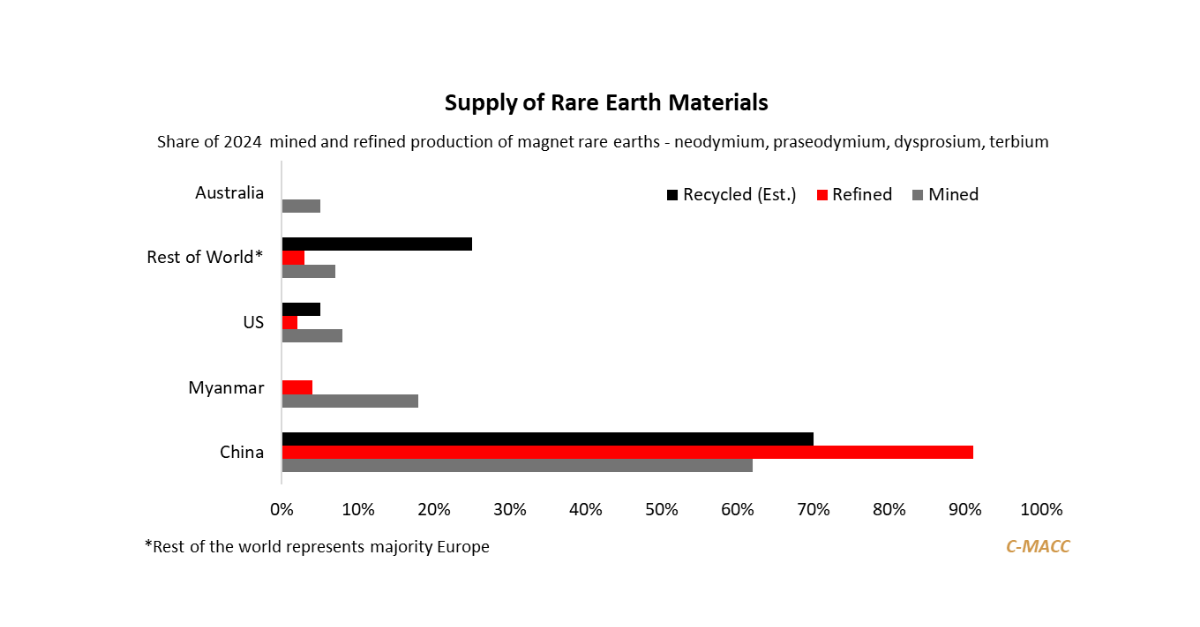
1st Topic of the Week: Control of materials is increasingly defining geopolitical leverage and industrial dominance, with MP Materials leading America’s strategic race for rare
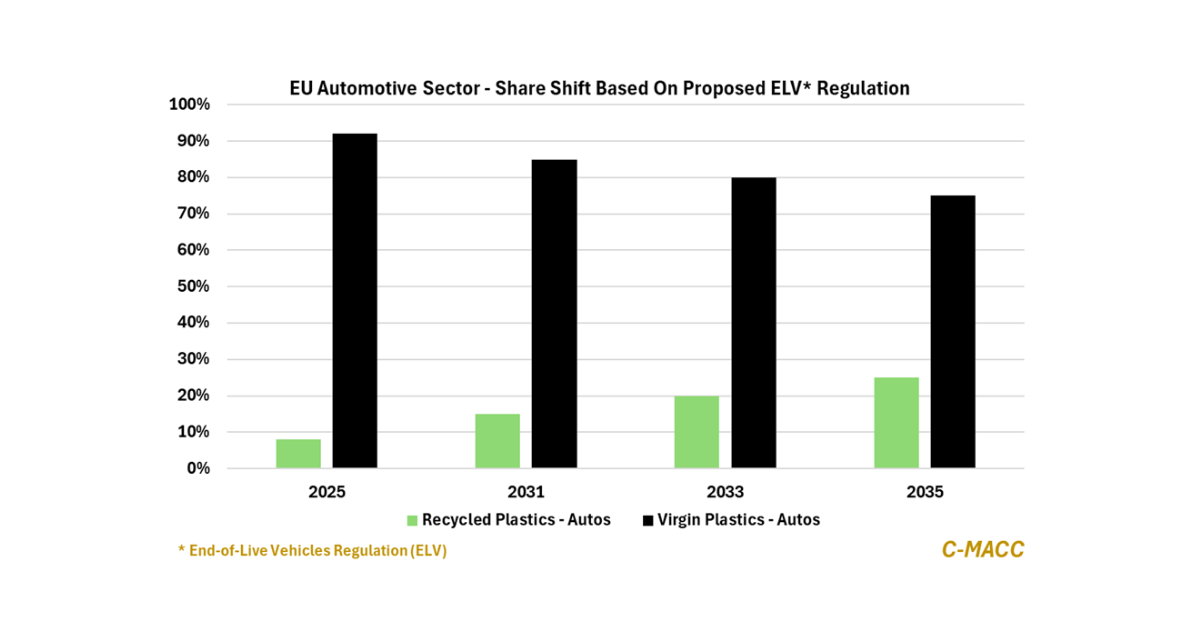
1st Topic of the Week: Europe’s proposed automotive plastics regulations reveal a paradox: mandated circularity drives innovation yet intensifies tensions between sustainability, consumer costs, and
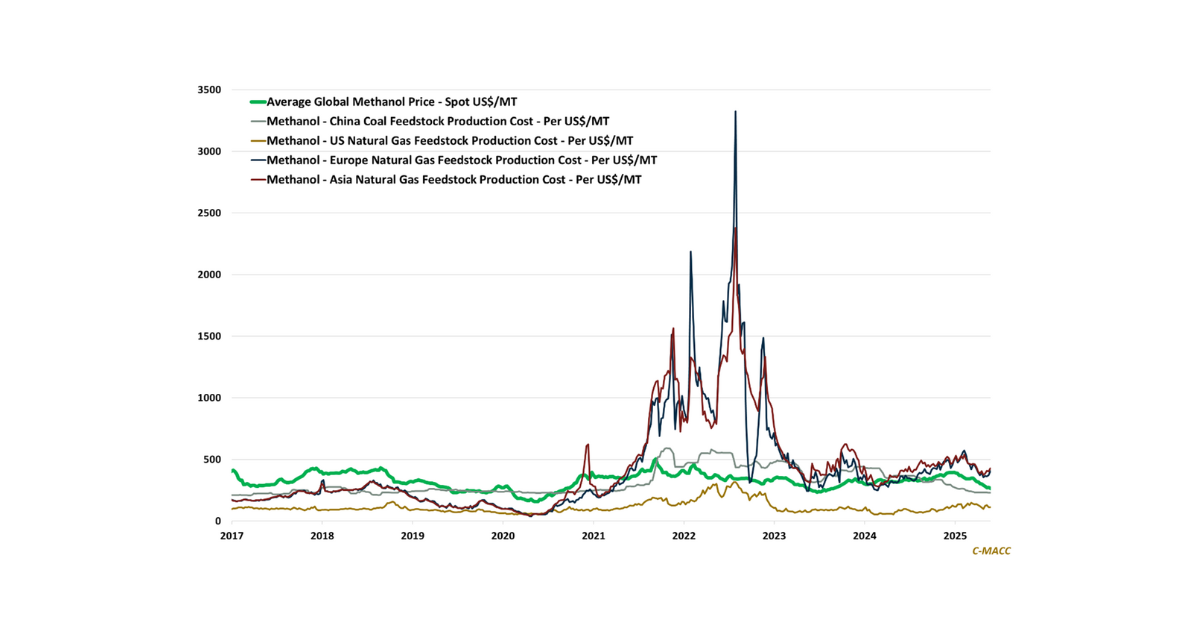
Global Market Analysis Chaos Theory: When Markets Sink, Leaders Swim Key Findings * We will publish our May US polymer pricing report tomorrow (Friday, May
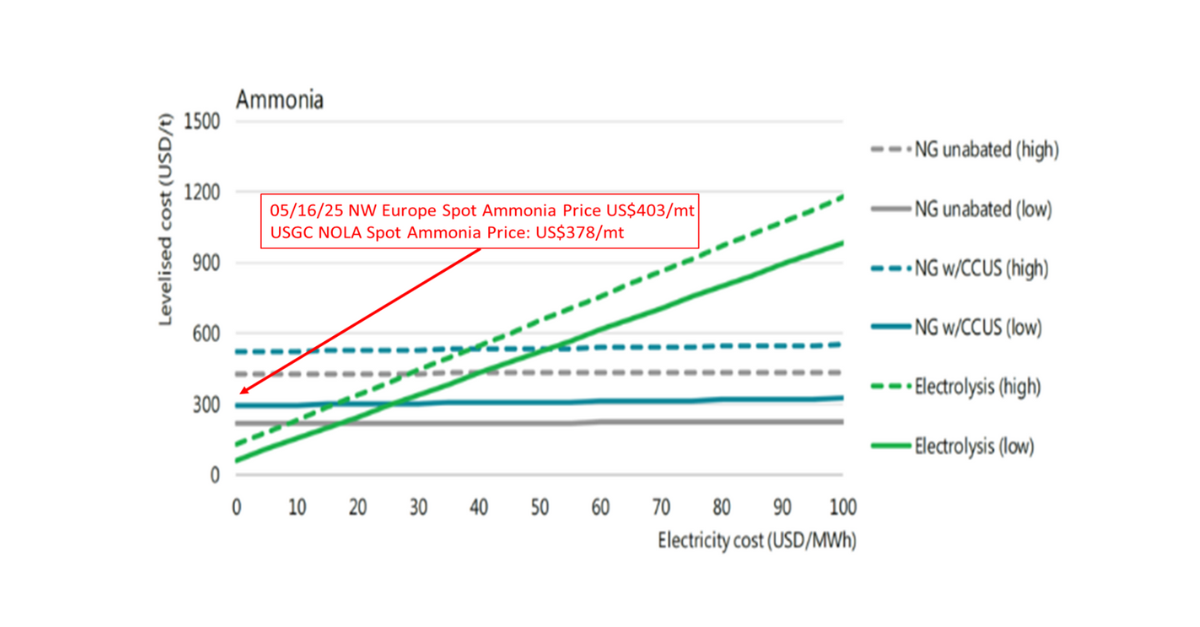
1st Topic of the Week: Low-carbon ammonia is a pragmatic decarbonization tool—connecting energy, agriculture, and hydrogen—as policy fragments and capital shifts; low-cost producers with global
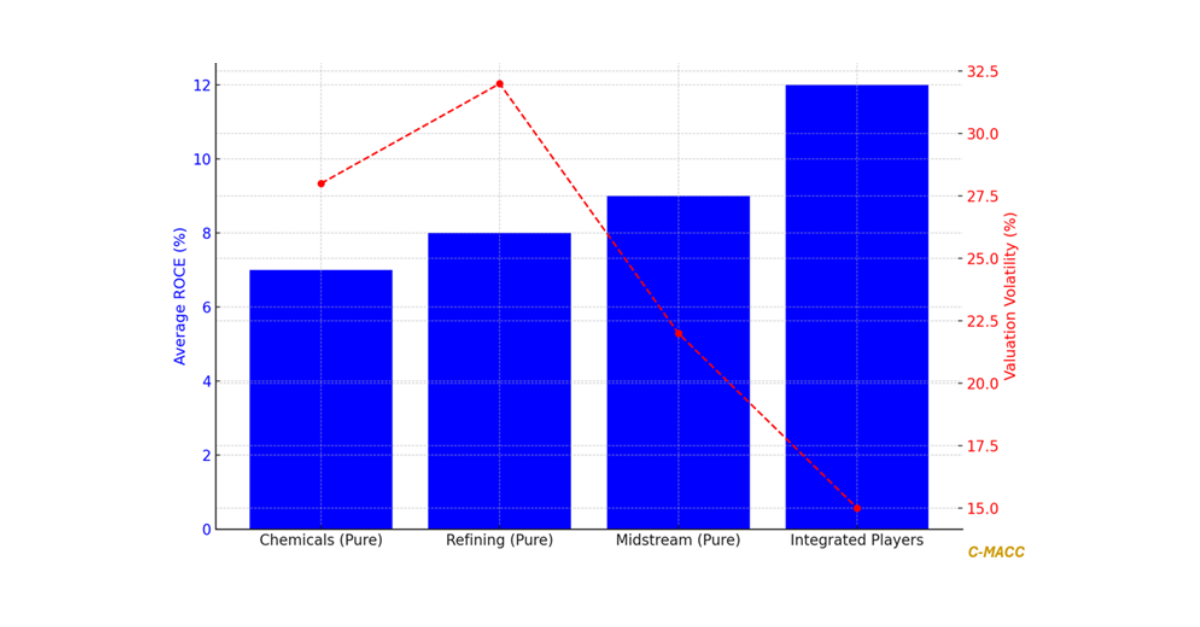
Structural flexibility — not theoretical options — often defines who survives, consolidates, and leads when global energy and chemical markets fracture into volatility, opportunity, and
