Sunday Executive Summary
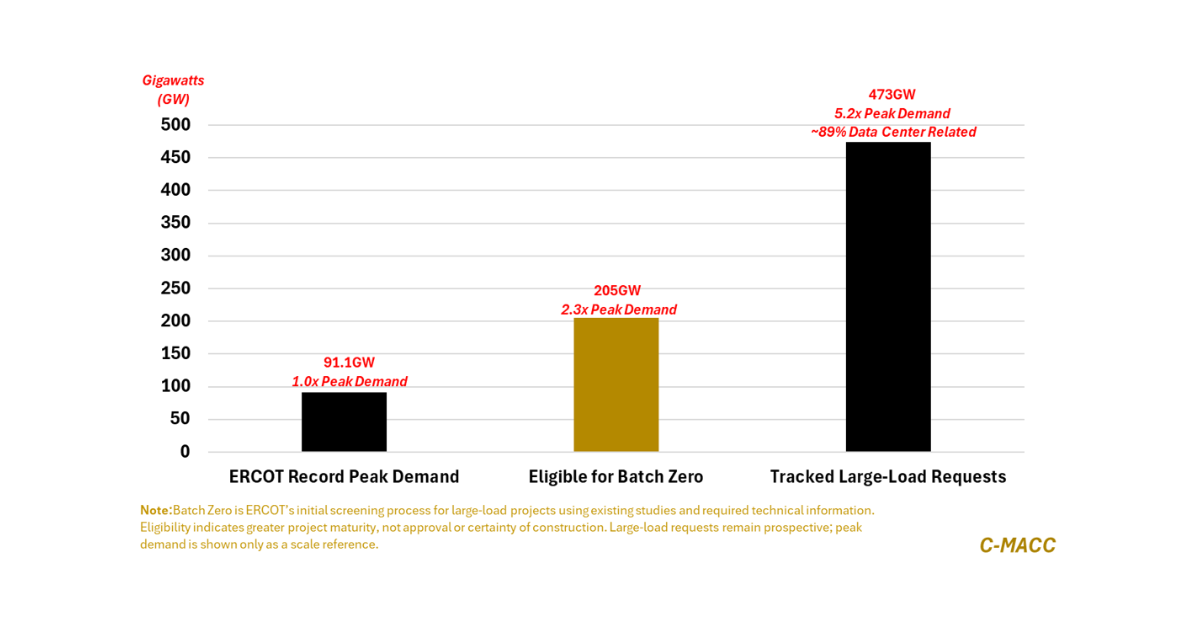
Texas is forcing data center demand through a credibility test, showing why project maturity, customer commitments, power access, and progress deserve more weight than headline

Texas is forcing data center demand through a credibility test, showing why project maturity, customer commitments, power access, and progress deserve more weight than headline
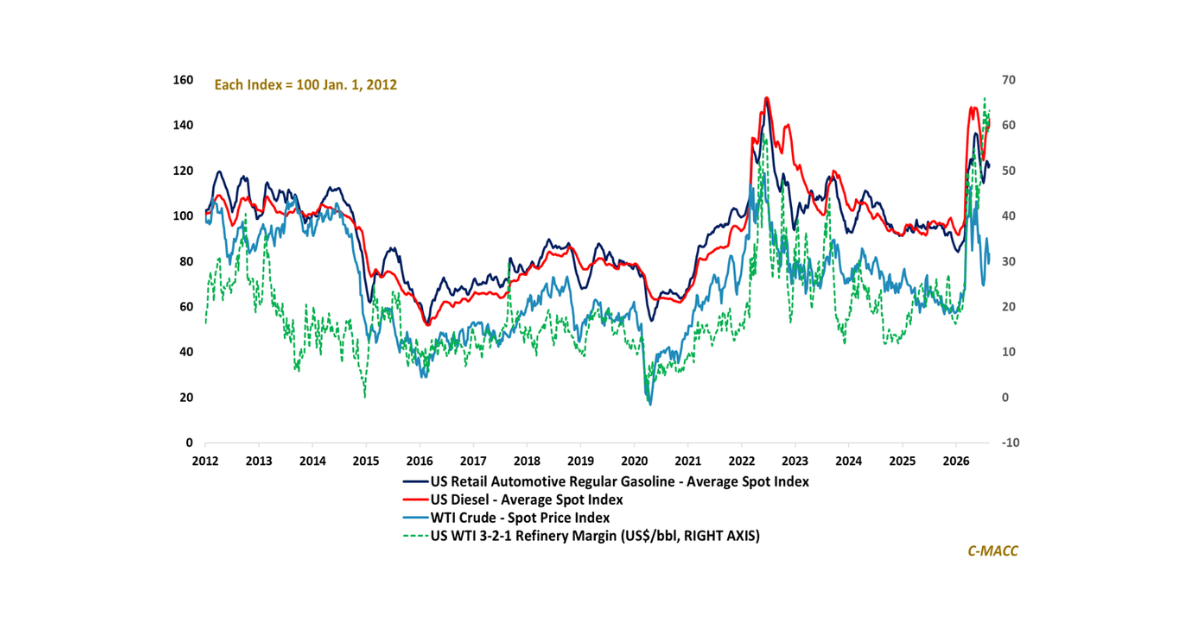
General Thoughts: When input advantages fail to flow cleanly through the value chain, the constrained step retains more of the underlying economics instead of passing
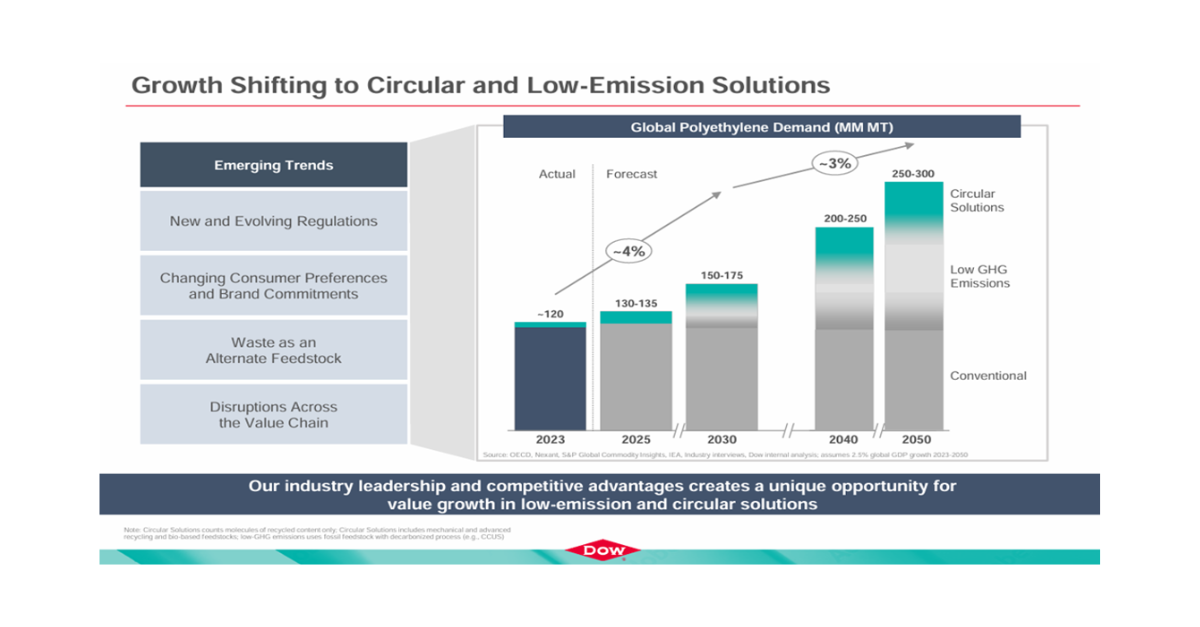
Most attention remains on near-term PE tightness, but supply growth is also becoming less dependable, leaving the medium-to-long-term outlook firmer than pre-conflict forecasts anticipated.
Middle
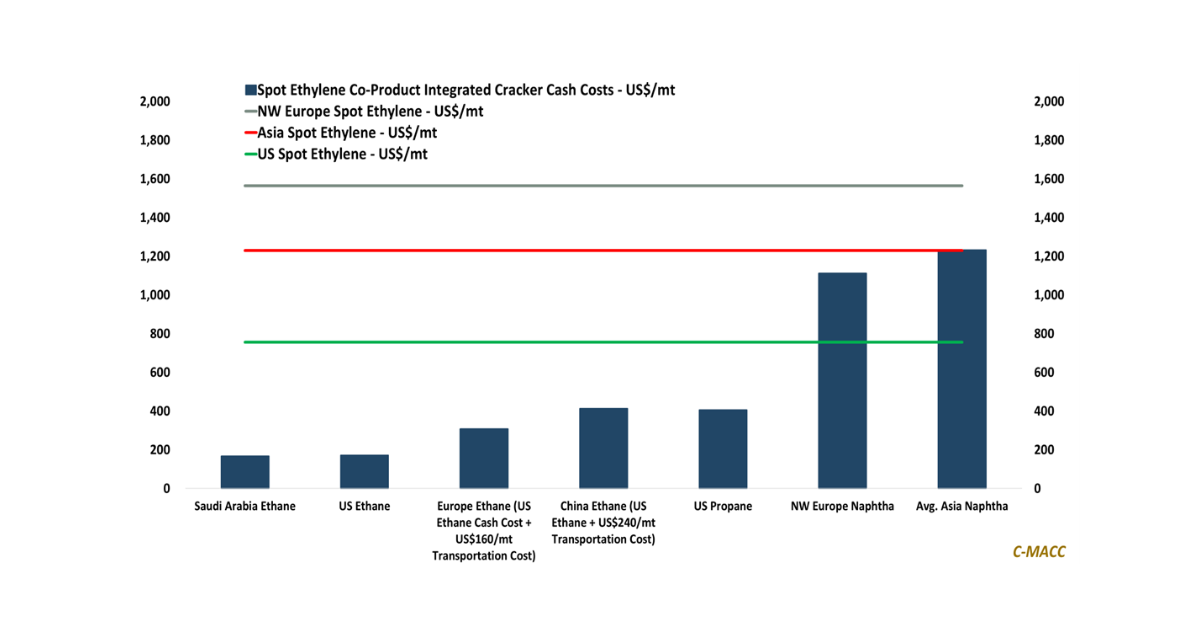
Industrial competitiveness increasingly reflects access to qualified infrastructure, freight continuity, and grid execution rather than a nominal feedstock advantage or headline commodity pricing alone.
Europe’s

General Thoughts: Industrial markets are rewarding companies that control logistics, feedstocks, and infrastructure, as volatility exposes the hidden fragility of supposedly diversified global supply chains.

Contract pricing is emerging as the governing signal in constrained markets, embedding access, timing, and supply assurance, while spot pricing reflects residual, uncommitted liquidity pools.
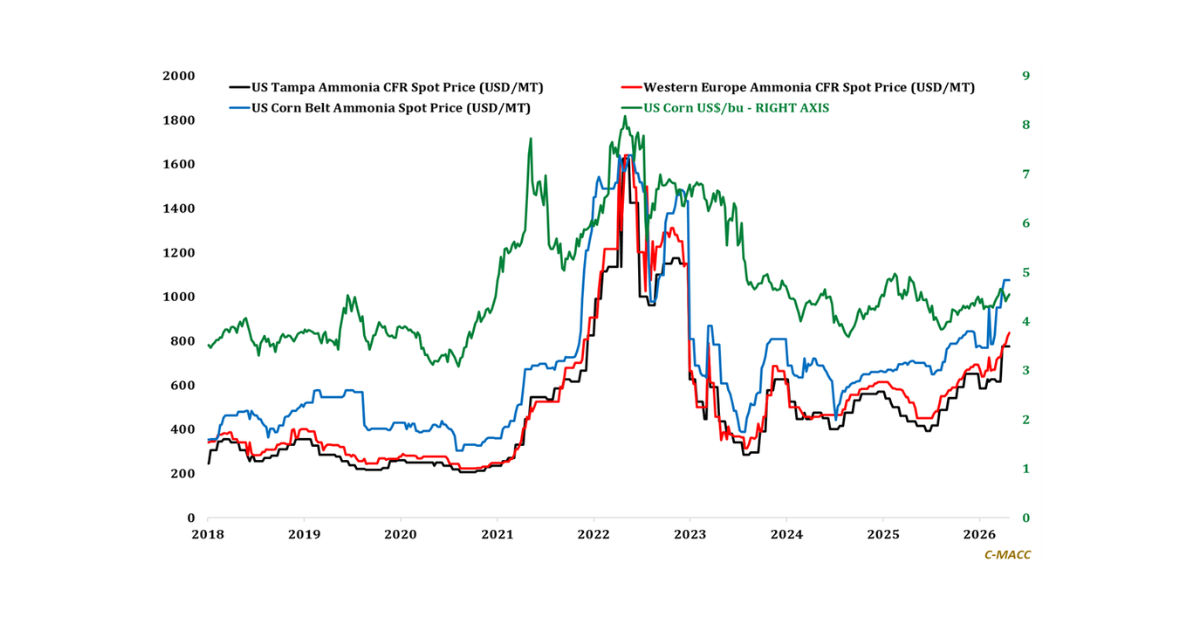
General Thoughts: Downstream industries face acute input inflation, as price-driven outcomes and selective policy support delay adjustment, leaving many exposed despite rising upstream and infrastructure
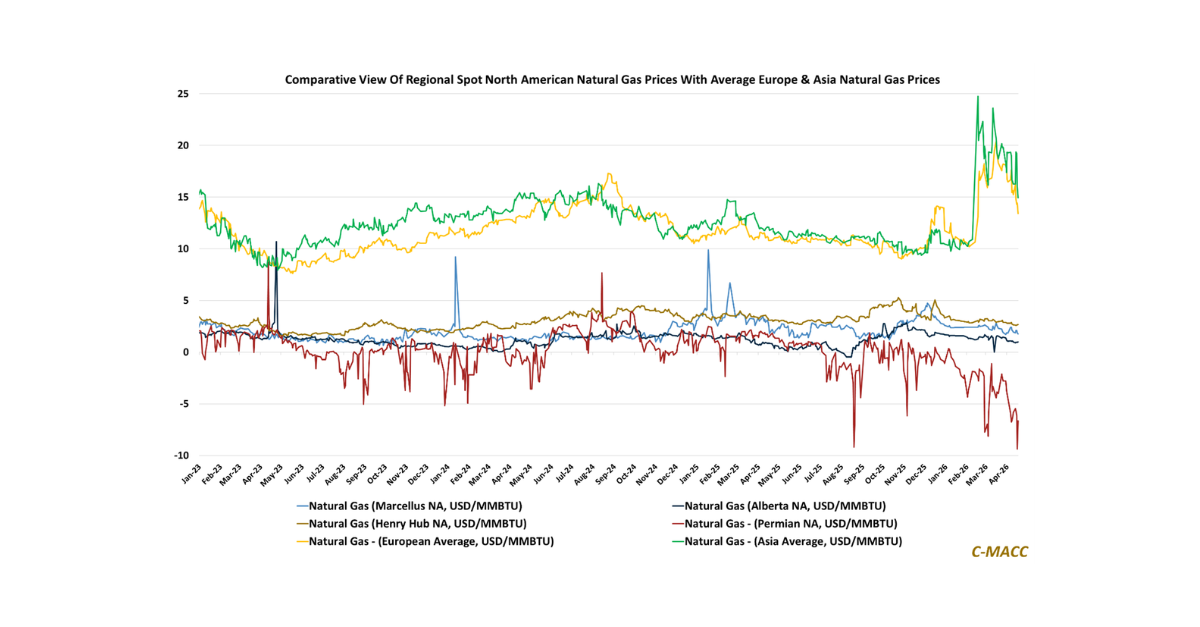
Natural gas markets are increasingly defined by infrastructure, access, and the ability to reliably convert production into delivered, monetizable demand across regional and global systems.
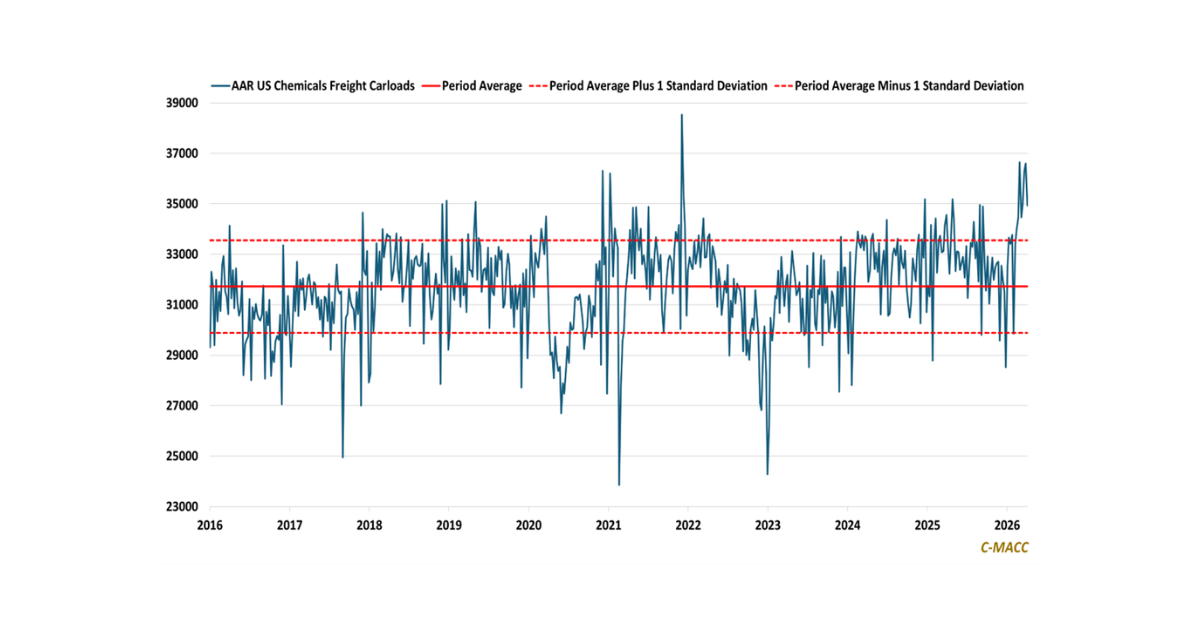
General Thoughts: US relative cost advantages persist, but rising global prices are compressing downstream margins as exports rise and cost transmission accelerates across global industrial
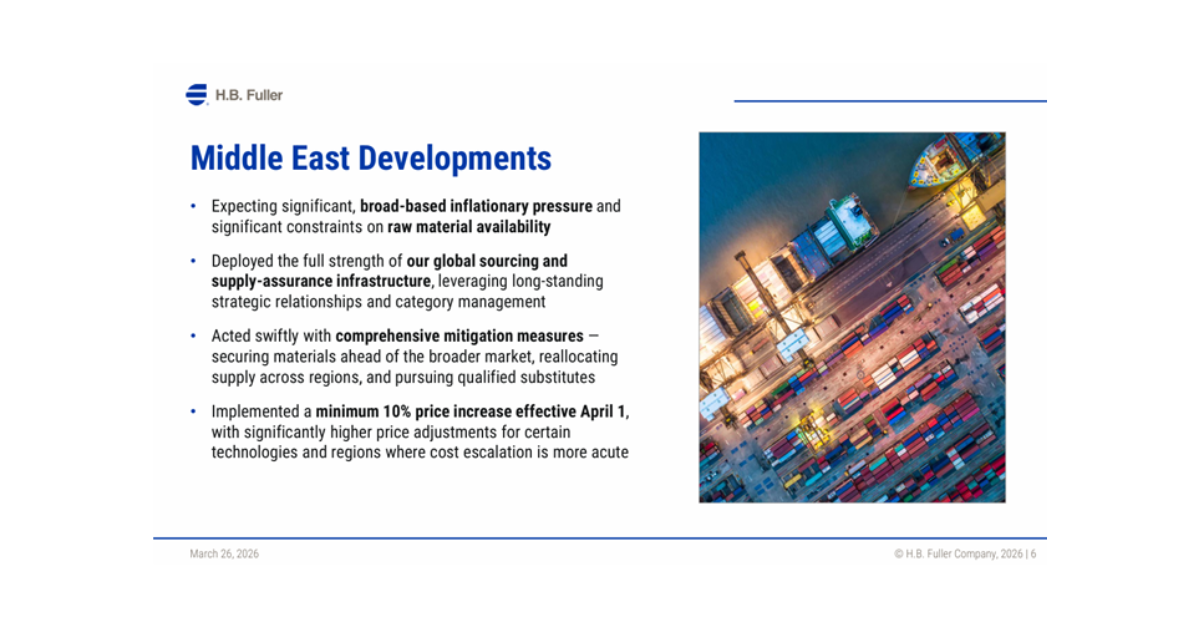
General Thoughts: Supply shocks are shifting power from cost to control, concentrating value in integrated systems as export-driven convergence reshapes demand, margins, and capital allocation
