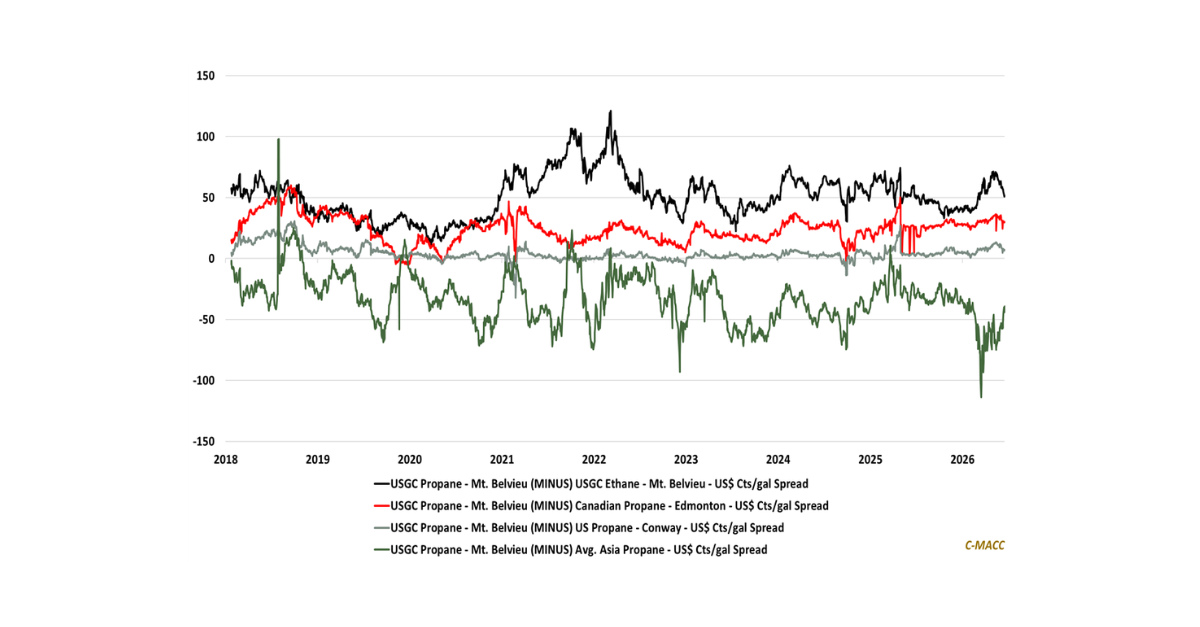
Sunday Executive Summary
Route control sets the margin gate as low-cost supply realizes less value when access owners or customers govern timing, price, outlet choice, and demand commitment

Route control sets the margin gate as low-cost supply realizes less value when access owners or customers govern timing, price, outlet choice, and demand commitment
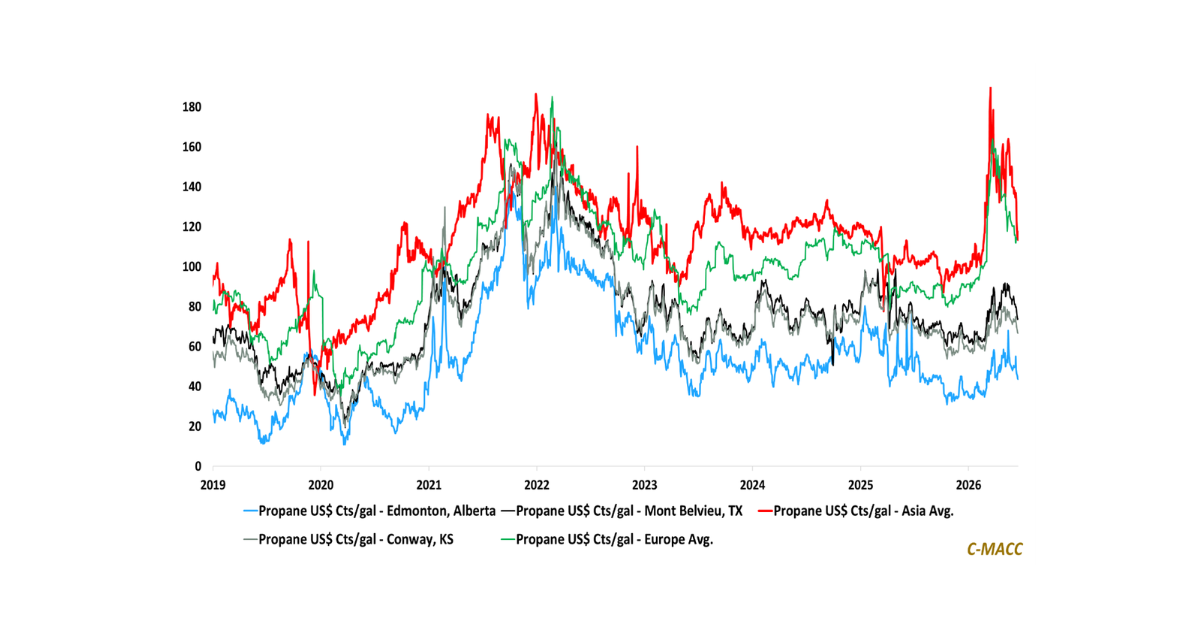
General Thoughts: Regional propane spreads show why cheap supply alone is not enough as energy capital chases arbitrage, chemical margins face buyer pressure, and power
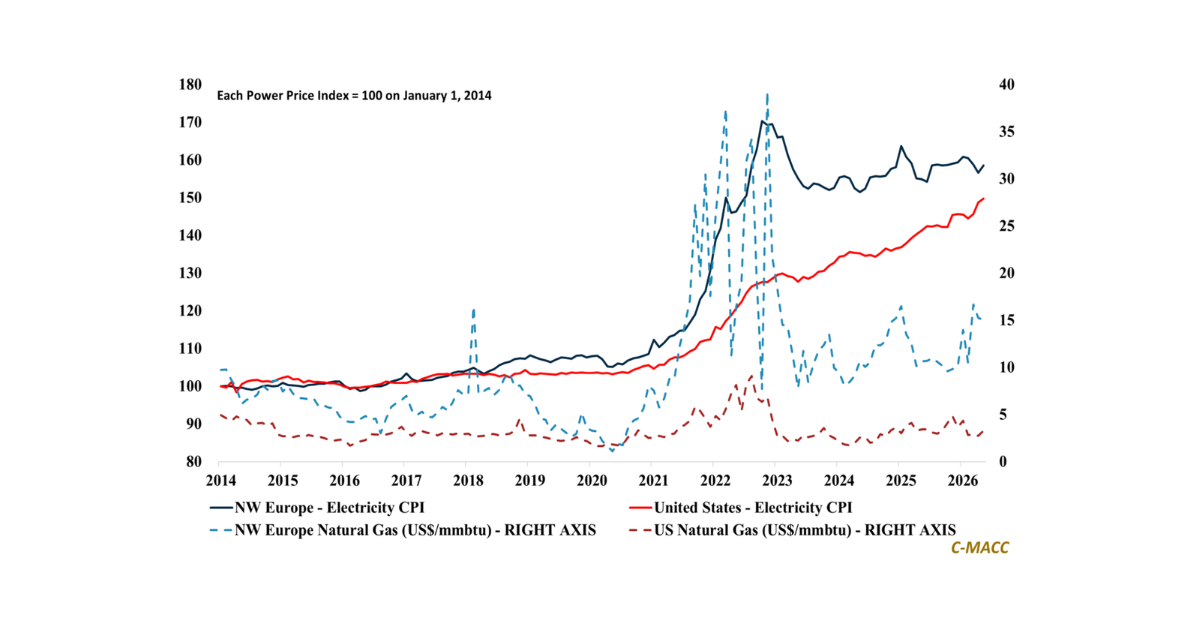
Regional and local electricity price inflation has become a signal of global competitiveness, as sticky power prices push buyers toward lower-cost supply options, while some
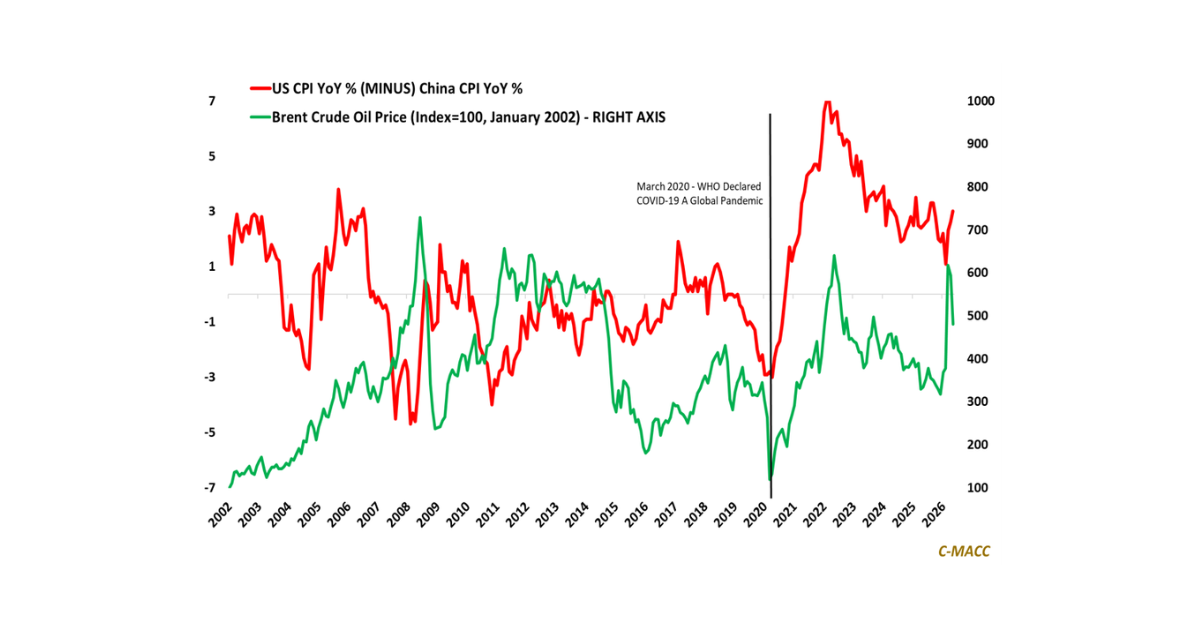
General Thoughts: Consumer prices are rising globally, but pricing-power gaps are widening, benefiting lower-inflation consumers and manufacturers with advantaged feedstocks or stronger pricing leverage.
Supply
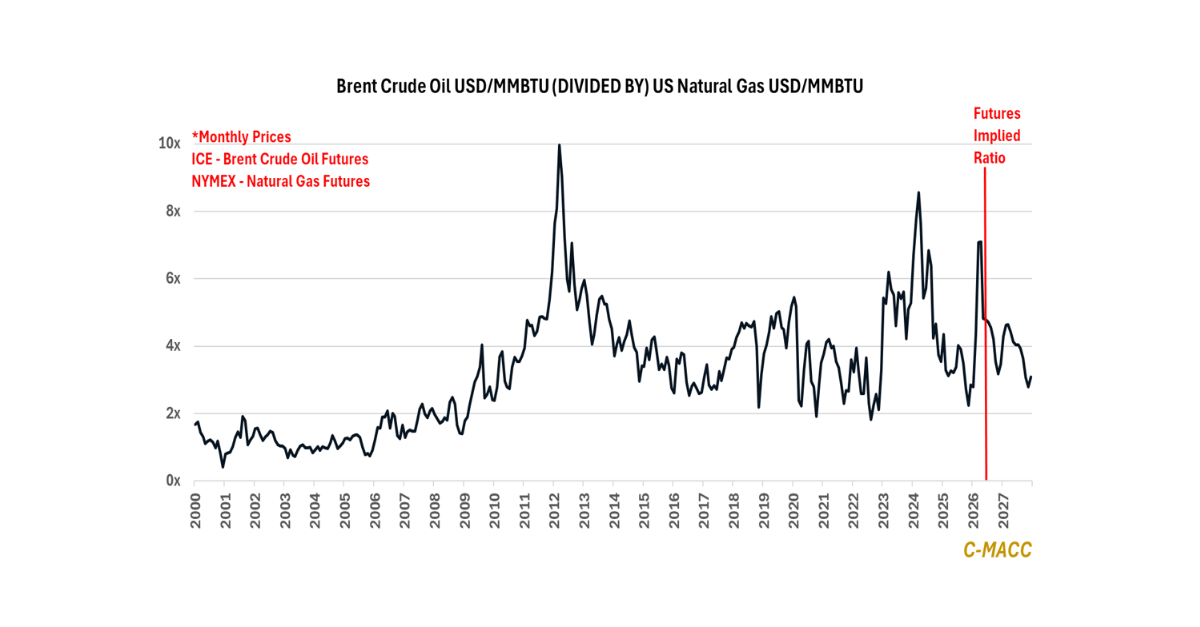
Chemical and polymer prices have retreated from peak 1H26 levels, but many remain above January levels, leaving buyers to judge whether relief is temporary or
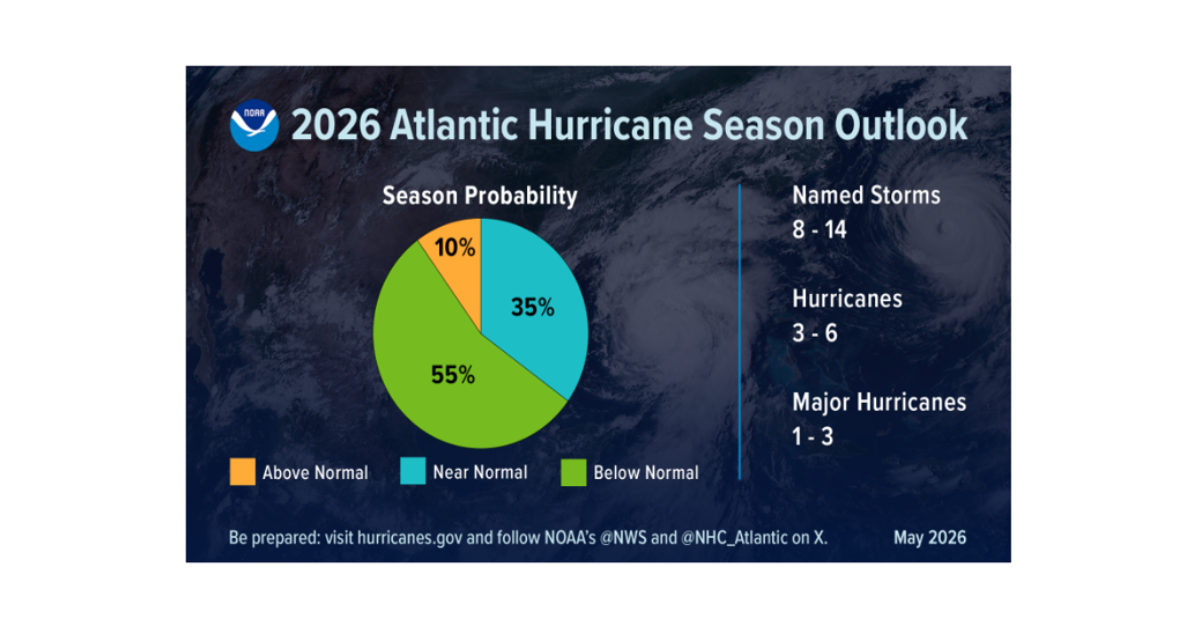
General Thoughts: Quiet hurricane forecasts can punish chemical buyers running lean inventories if adverse weather on the US Gulf Coast meets unresolved Middle East disruption
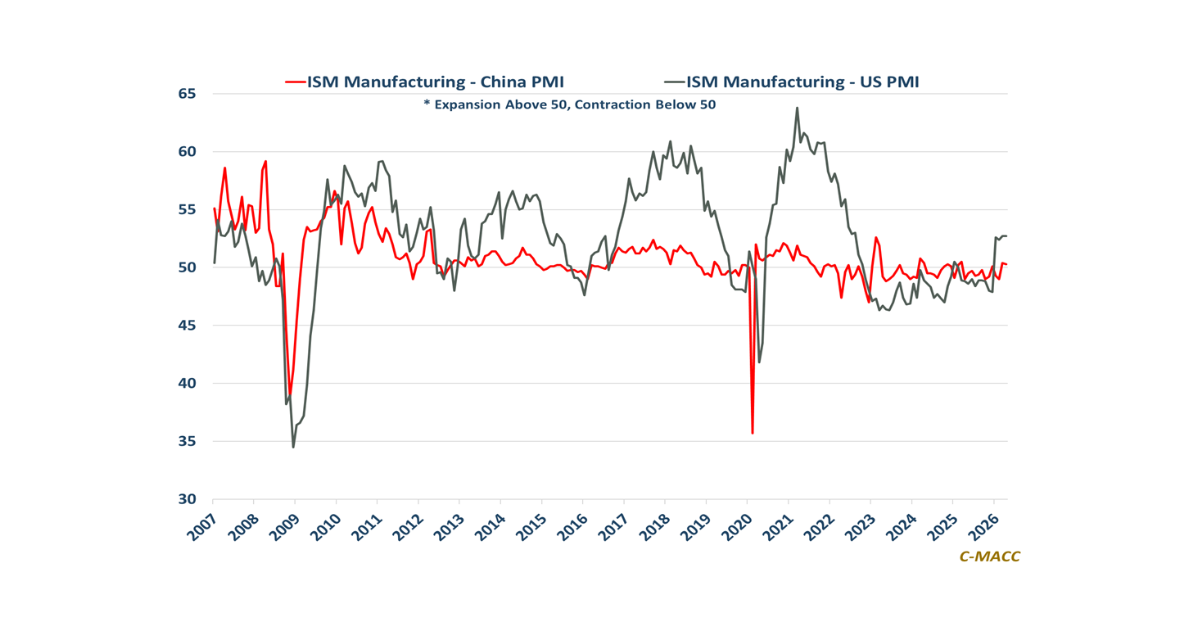
Apparent manufacturing stability masks shrinking usable capacity as liquidity, logistics, affordability, and operating reliability outrank installed production capability across industrial systems.
Industrial survival increasingly depends
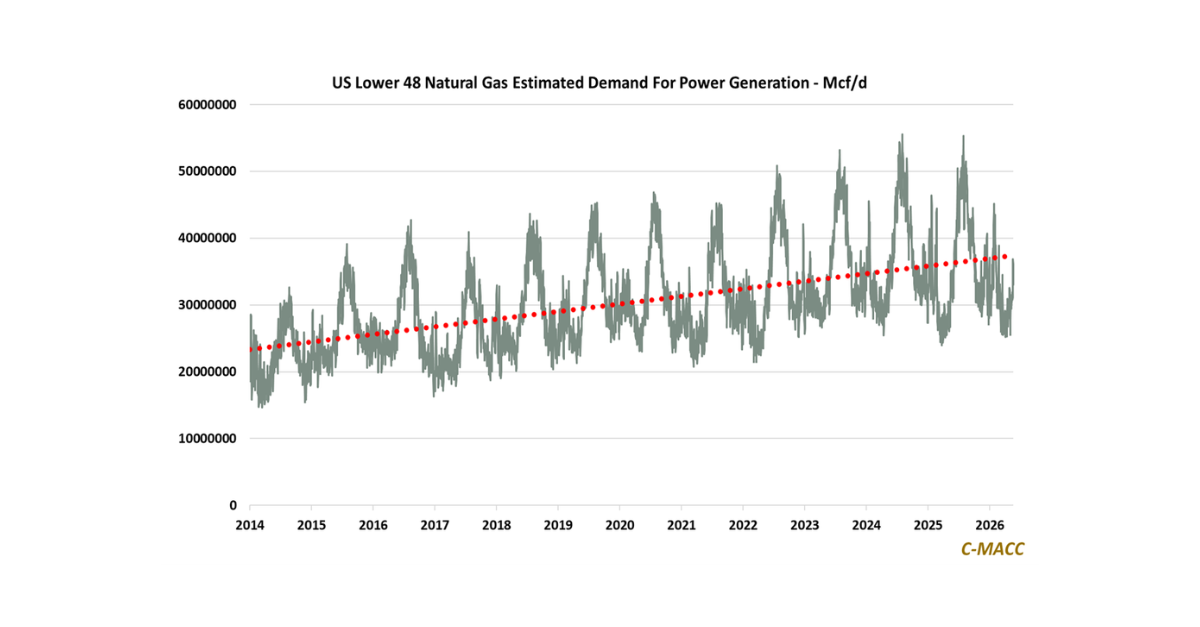
General Thoughts: Low-cost US natural gas is becoming more contested as power producers, exporters, petrochemical buyers, and industrial consumers secure access and defend feedstock-cost advantages.
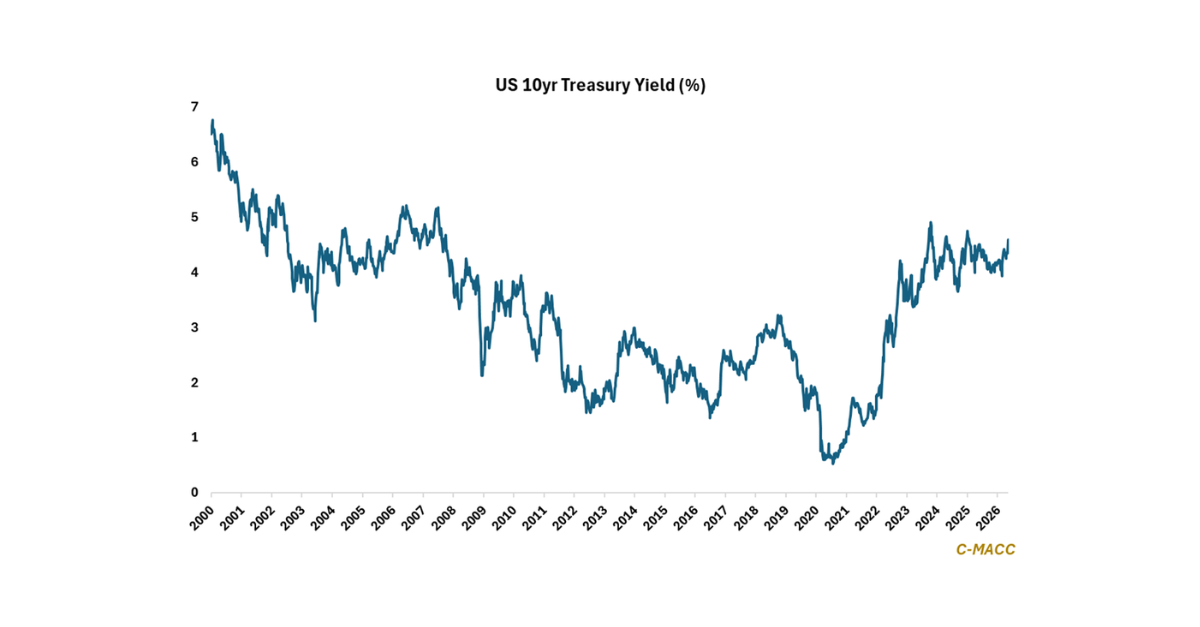
General Thoughts: Elevated financing and energy costs are accelerating consolidation, asset rationalization, and supply-chain prioritization across power, chemicals, and industrial infrastructure systems globally.
Supply Chain/Commodities:
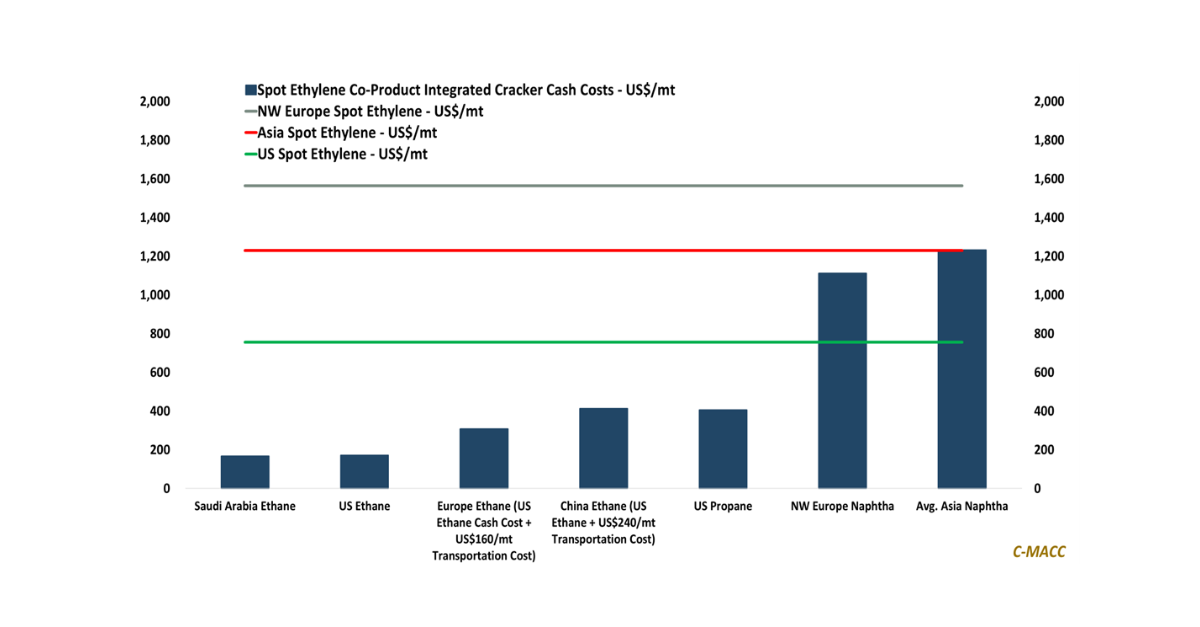
Industrial competitiveness increasingly reflects access to qualified infrastructure, freight continuity, and grid execution rather than a nominal feedstock advantage or headline commodity pricing alone.
Europe’s
