Sunday Executive Summary

A concise weekly briefing that ties it all together—highlighting the most important themes, shifts, and strategic insights across our research coverage.

Reports

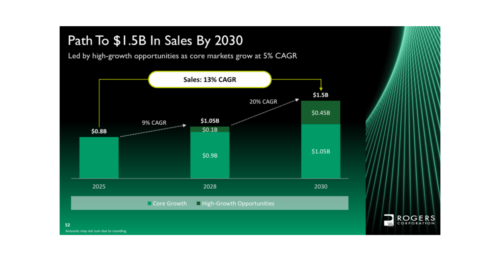
Savings and Loan: Industrial Buyers Must Fund the Wait for Returns

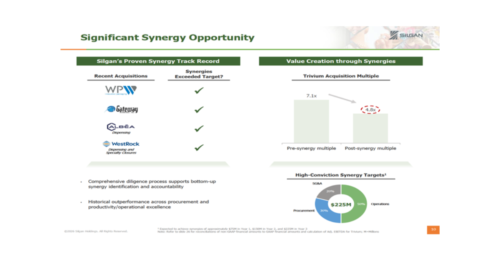
Industrial acquisitions can improve returns without stronger demand, but financing the savings ramp shapes whether buyers preserve investment capacity before benefits become spendable cash.

Competitors’ productivity gains and customers’ pricing demands can absorb acquisition savings, favoring combinations that cut costs beyond what separate ownership and management can achieve.

Reliable supply
Read More »

Grounds for Revaluation: Industrial Site Sales Can Leave Sellers Carrying Development Risk

Industrial site sales can lift valuations before cash arrives, as deferred payments leave sellers exposed to commissioning risks and permitting delays outside their original manufacturing operations.

Upfront cash and retained equity meet different funding needs, making collection terms essential to judging whether headline disposal values can support sellers’ investment plans.

Read More »

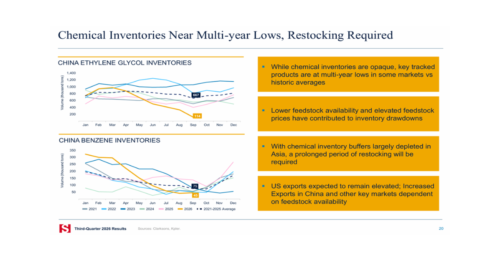
Volume Discount: Chemical Restocking Can Lift Shipments Without Improving Producer Earnings

Depleted stocks invite replacement buying, but reliable deliveries can reduce required inventory buffers, limiting the replenishment opportunity before customers restore historical stocks or boost consumption.

Recovering chemical shipments need not tighten freight markets if shorter voyages release vessel capacity, leaving producers better able to deliver exports even as carriers

Read More »

Gross Expectations: Growth Can Leave Bulk Chemical Demand Behind

Growth can raise supplier earnings through richer specifications and captured orders, making incremental material purchases more useful than equipment budgets when forecasting chemical utilization.

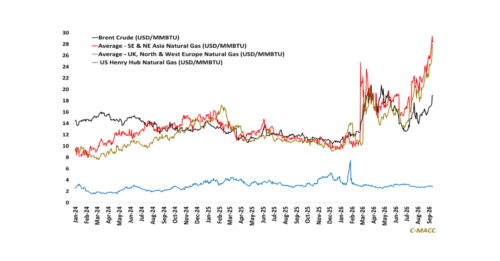
Availability payments can support power investment before fuel consumption develops, allowing infrastructure earnings to strengthen without an equivalent improvement in natural gas markets.

Slower construction can

Read More »

The Exit Interview: Chemical Plant Closures Can Leave Competition Standing

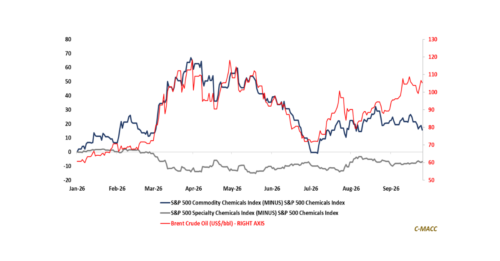
Commodity chemical shares retain their lead as selected resin grades tighten, but delayed cargoes can lift prices before producers permanently reduce the capacity available to customers.

Closing sites can release cash without reducing output; manufacturers that cut spending and successfully transfer production may recover faster than the markets they continue

Read More »

Different Strokes: Chemical Capital Splits Between Cost Advantage and Commercial Proof

Chemical capital is separating by model, with integrated producers funding hard-to-replicate advantages and customer-facing businesses demanding clearer economics before growth spending.

Dow’s collaboration with Amcor does not secure returns but provides both companies with better visibility into product development, customer requirements, sustainability value, and commercial adoption.

Wacker must earn more

Read More »

Measure Twice, Invest Better: Finding the Constraint Before Funding the Solution

Industrial progress increasingly depends on identifying the right constraint, measuring it accurately, and applying technology where better information can improve operating and capital decisions.

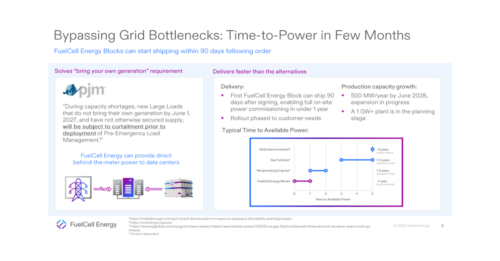
FuelCell Energy shows faster power can improve project timing, but manufacturing scale and profitable delivery still determine whether deployment speed creates durable commercial value.

Yokogawa’s automation

Read More »

Build the Power, Sweat the Plant: Follow the Capital

Industrial capital is clustering around power and energy infrastructure, leaving chemical producers to improve returns from existing assets as excess capacity keeps global expansion spending restrained.

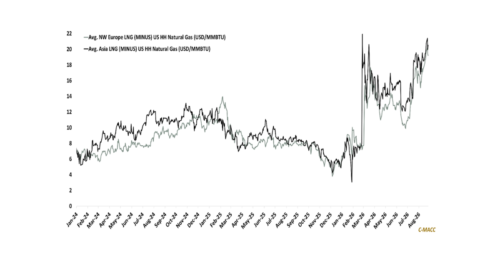
The unusually wide US natural gas advantage strengthens existing chemical assets, but weak global utilization still leaves too little economic support for another broad

Read More »