C-MACC Sunday Executive Summary
Different Strokes: Chemical Capital Splits Between Cost Advantage and Commercial Proof
- Chemical capital is separating by model, with integrated producers funding hard-to-replicate advantages and customer-facing businesses demanding clearer economics before growth spending.
- Dow’s collaboration with Amcor does not secure returns but provides both companies with better visibility into product development, customer requirements, sustainability value, and commercial adoption.
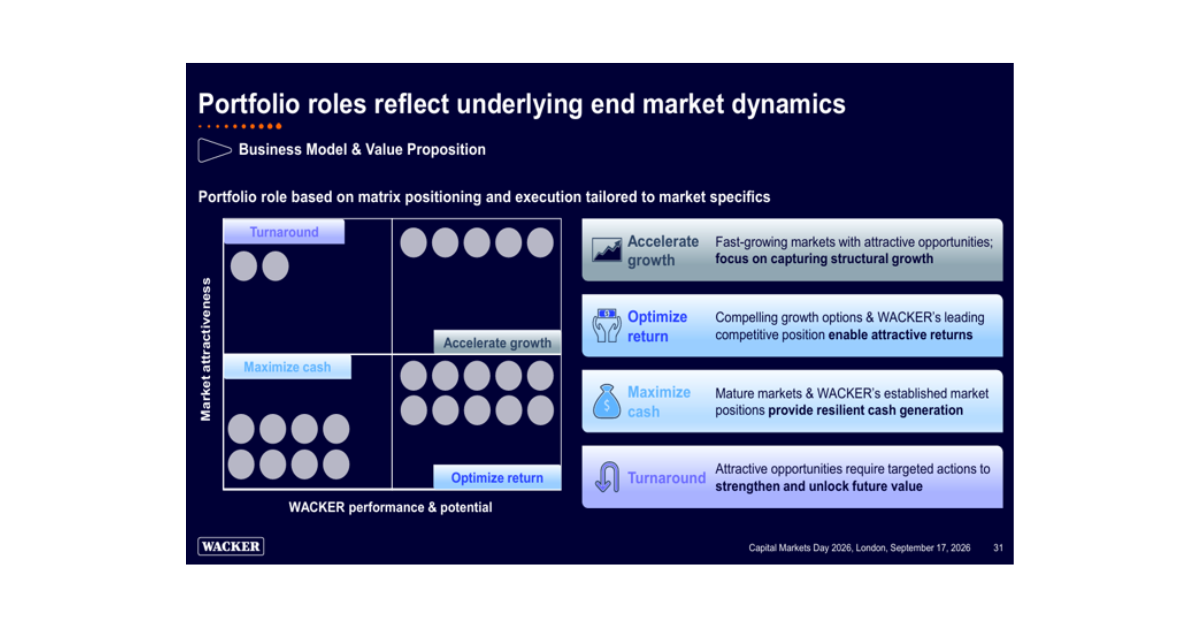
- Wacker must earn more from assets already built, making utilization, qualification, pricing, and customer retention more important than another broad capacity expansion.
- Portfolio restructuring is spreading across the chemical industry as Dow, BASF, Wacker, and others reassess which businesses can deliver acceptable returns amid persistent market uncertainty.
- Additionally, polymer export pressure, refinery bottlenecks, natural gas premiums, sustainability economics, and weak housing affordability are reshaping near-term margins across global markets.
- Companies Mentioned: Dow, Wacker, Amcor, James Hardie, Lotte Chemical, HD Hyundai Chemical, S-Oil, BASF, REX American Resources, The Andersons, Gevo, CIBO Technologies, Green Plains, Corteva, Bayer, Robigo, CF Industries, PepsiCo, J.B. Hunt, Westlake, Sinopec, Zillow
- Products Mentioned: Crude Oil, Ethane, Polyethylene (PE), Silicones, Polyvinyl Chloride (PVC), Polypropylene (PP), Gasoline, Ethylene, Diesel, Benzene, Styrene, Phenol, Cyclohexane, Natural Gas, Ammonia, Methanol, Hydrogen, Ethanol, Corn, Fertilizer, Naphtha, UAN
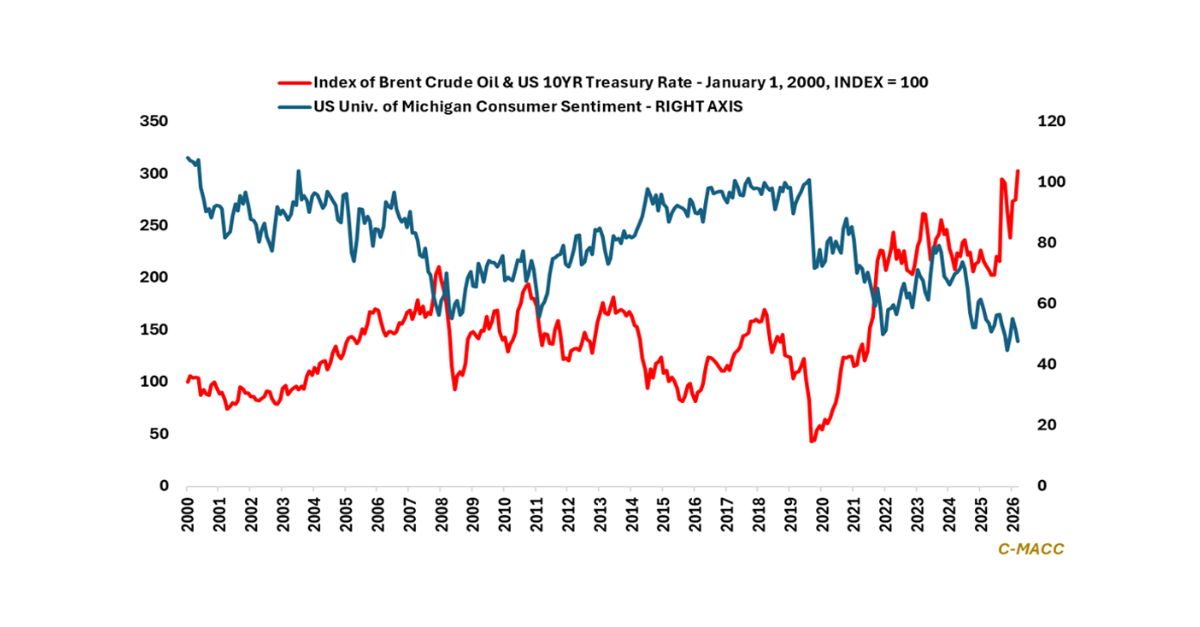
Exhibit 1: Higher Producer Costs Raise the Penalty for Funding Unproven Demand Growth.
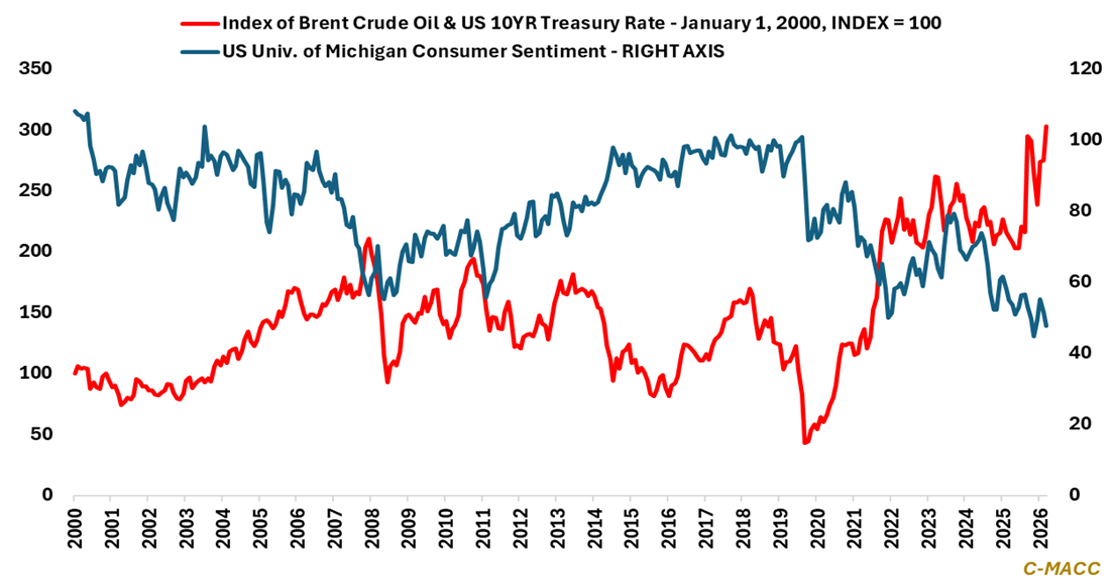
Source: Bloomberg, C-MACC Analysis, September 2026
See PDF below for all charts, tables and diagrams
Client Login
Learn About Our Subscriptions and Request a Trial
Contact us at cmaccinsights@c-macc.com to gain full access and experience our services!