C-MACC Sunday Executive Summary
Mixed Company: More Production Can Leave Less for Sale
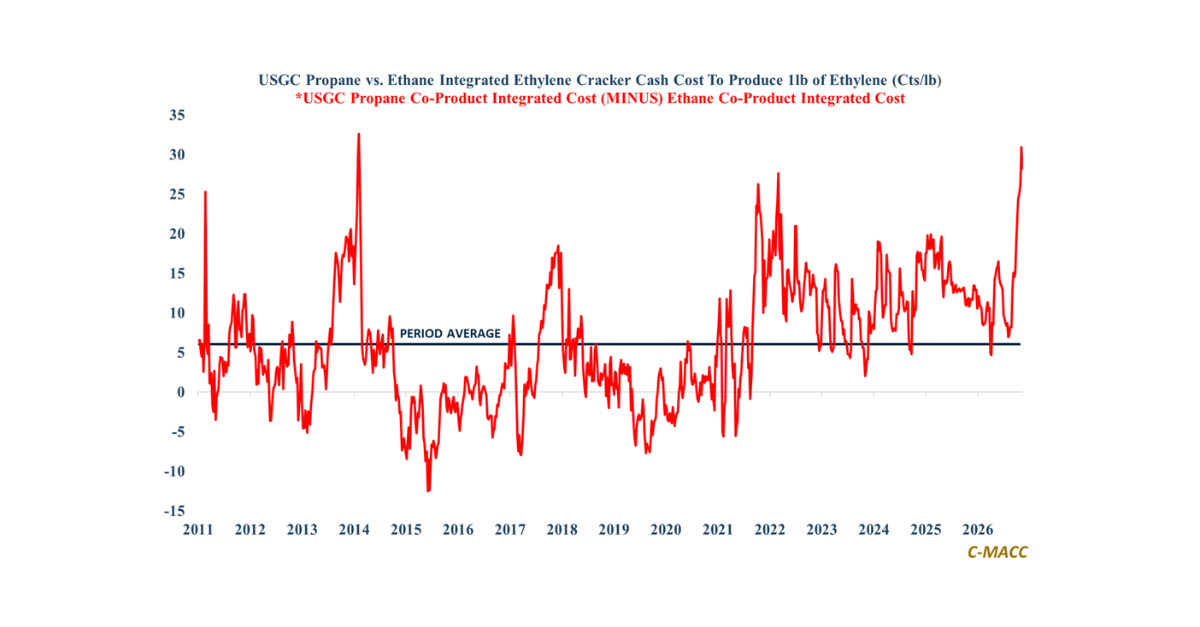
- Switching toward ethane can improve ethylene economics and reduce coproduct availability, making complete site balances more useful than headline feedstock savings when assessing supply and margins.
- Chlorine demand and freight can push regional caustic markets in opposite directions, so additional integrated capacity does not establish that outside buyers will receive cheaper material promptly.
- Fertilizer producers can protect urea output by reducing merchant ammonia sales, making inventories and internal consumption essential to distinguishing stronger shipments from sustained production growth.
- Better feedstock access can raise production before earnings improve, and mergers can change reported revenue without changing physical supply, complicating forecasts built on utilization or corporate scale.
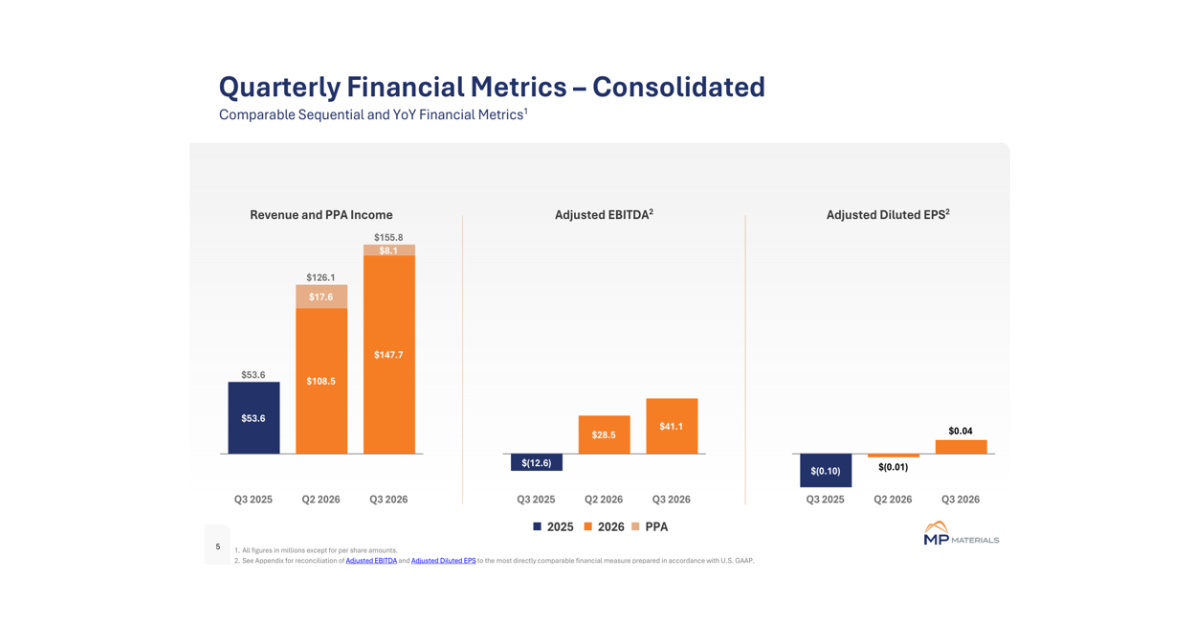
- Additionally, customer commitments redistribute price risk, but neither formulation premiums nor rare earth guarantees assure adequate returns, and infrastructure growth can coexist with weaker margins.
- Companies Mentioned: Siam Cement, SCG Chemicals, PTT Global Chemical, Grasim, Olin, Fertiglobe, Braskem, Braskem Idesa, BASF, Huntsman, Evonik, Navigator Holdings, MP Materials, General Motors, Iluka Resources, Lynas Rare Earths, Westlake, Otter Tail, Owens Corning
- Products Mentioned: Ethylene, Polyethylene (PE), Propylene, Butadiene, Chlorine, Caustic Soda, Epichlorohydrin, Polyvinyl Chloride (PVC) Pipe, CPVC, Ammonia, Urea, MDI, Polyols, Crude Oil, Natural Gas, Naphtha, Ethane, LNG, Rare Earth Oxides, Insulation
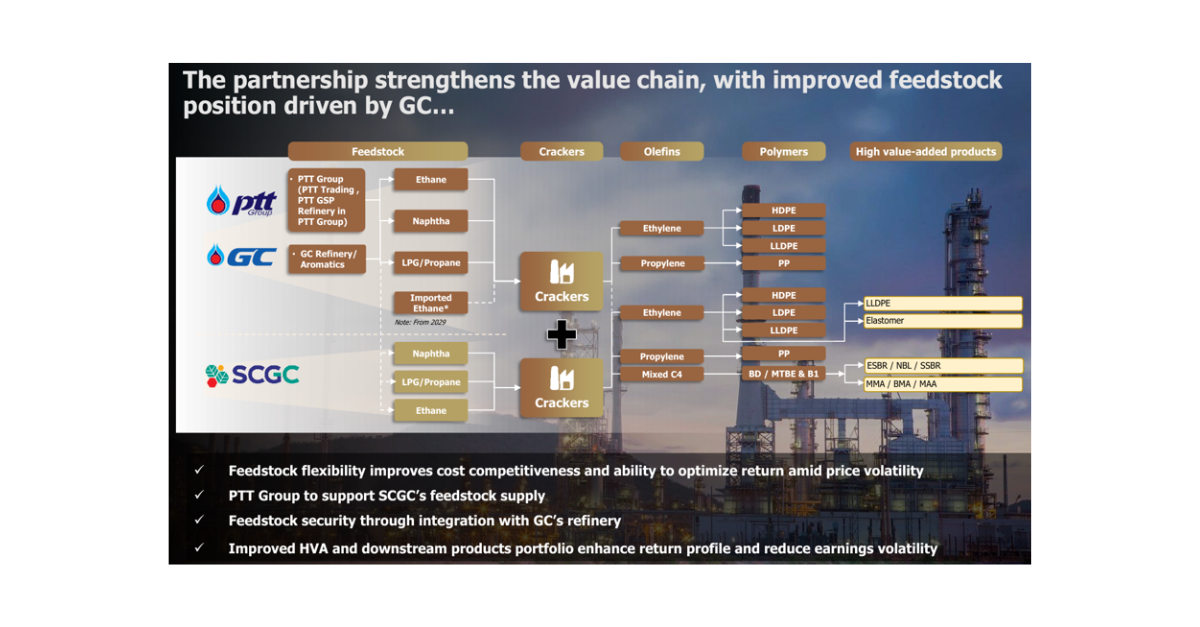
Exhibit 1: SCG’s Feedstock Network Links Ethylene Savings With Exposure Across Its Product Slate
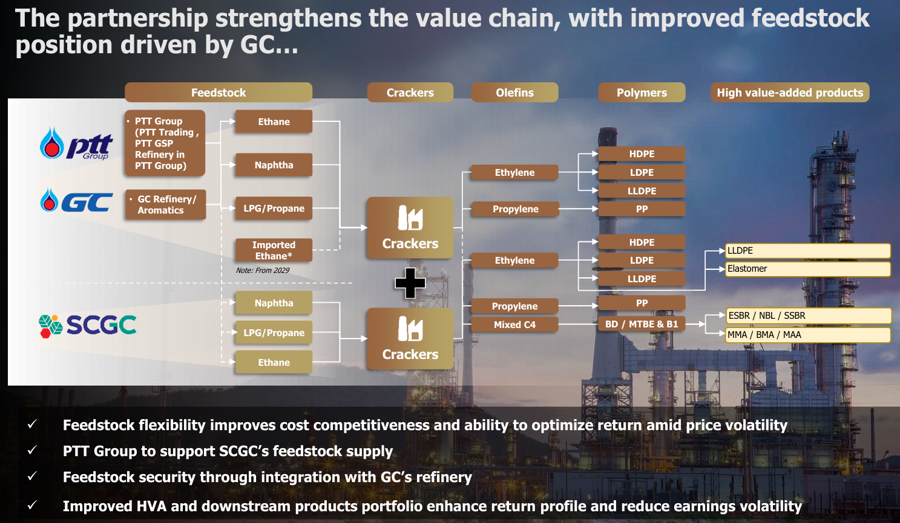
Source: SCG, SET Digital Roadshow 3Q26 Presentation
See PDF below for all charts, tables and diagrams
Client Login
Learn About Our Subscriptions and Request a Trial
Contact us at cmaccinsights@c-macc.com to gain full access and experience our services!